
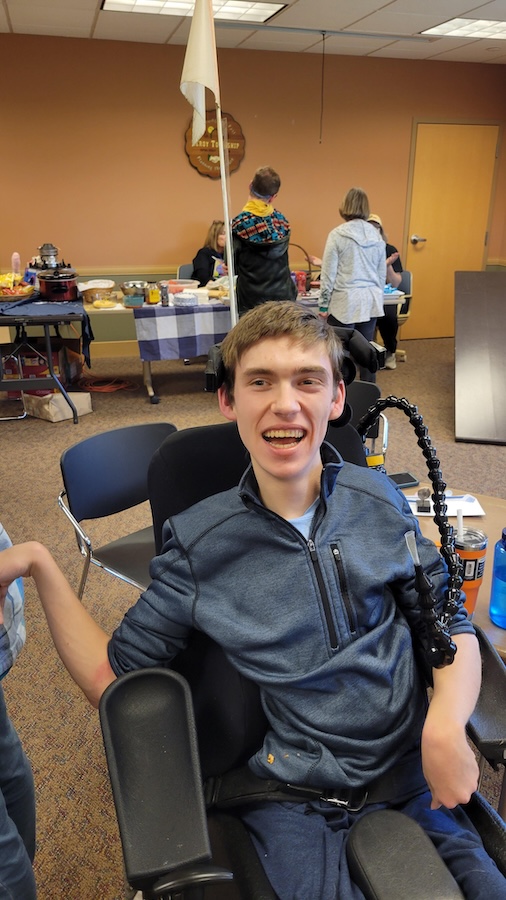
Zander Bowles isn’t just showing up—he’s speaking up.
A former student in the Skills for Adult Independent Living (SAIL) program through Ingham ISD, Zander has become a recognizable advocate for accessibility and inclusion at East Lansing City Council meetings and throughout the community.
Zander, who has cerebral palsy, uses a power wheelchair and a communication device, and brings firsthand insight into how cities can better serve people with disabilities. Whether attending council meetings in person or watching remotely from home when meetings run late, Zander is determined to be involved.
“I like to help with accessibility,” he said in a recent interview.
City leaders have taken notice. When seating renovations were underway at the Hannah Community Center’s All-of-Us Express Children’s Theatre, Zander was invited to weigh in—helping shape more inclusive, accessible seating for all attendees.
“Zander played an important role in the renovation,” said Lois Fogarasi, guest services coordinator. “His input helped us create a suitable solution for accessible seating in our performing arts theater.”
Zander also regularly volunteers at major community events including Jazz Fest, Blues Fest, and Pride, where he fundraises with his signature smile and signature strategy: a donation bucket on his lap and charm that’s hard to resist.
“He doesn’t let people go by without getting them to donate at least a dollar,” his dad, Ryan Bowles, joked.
A proud voter, dedicated public participant, and graduate of ELHS and Ingham ISD’s SAIL program, Zander’s next goal is to expand his volunteer work and help even more people.
“He’s big-hearted,” his dad said. “What Zander really wants to do is serve.”
Recent Stories:
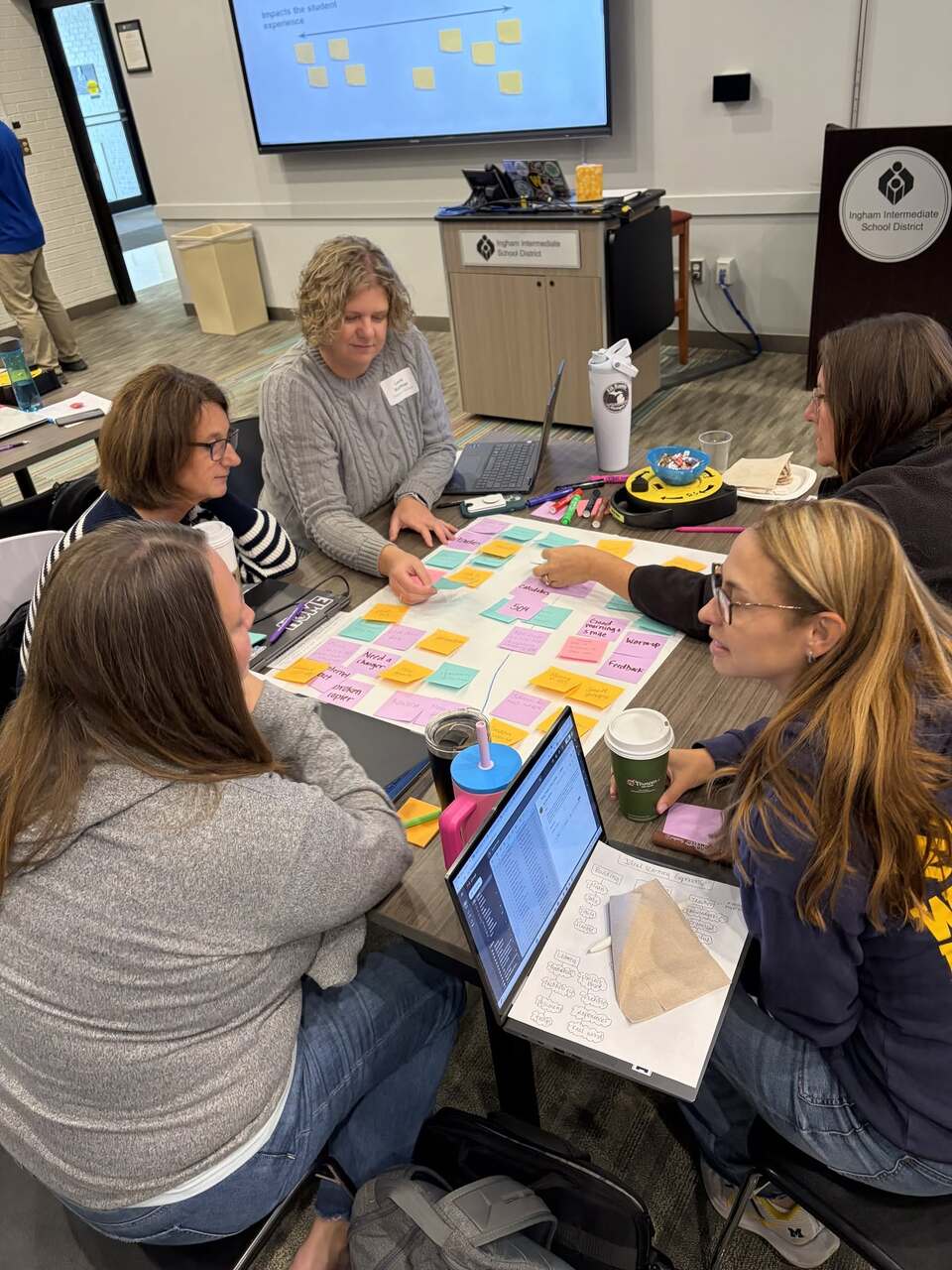
What happens when educators from different schools and communities get in the same room? Ideas travel. Questions get bigger. Practice gets stronger. Recent professional learning opportunities in early childhood literacy and secondary mathematics show how collaboration helps knowledge move across classrooms, schools and communities throughout the Ingham ISD service area.
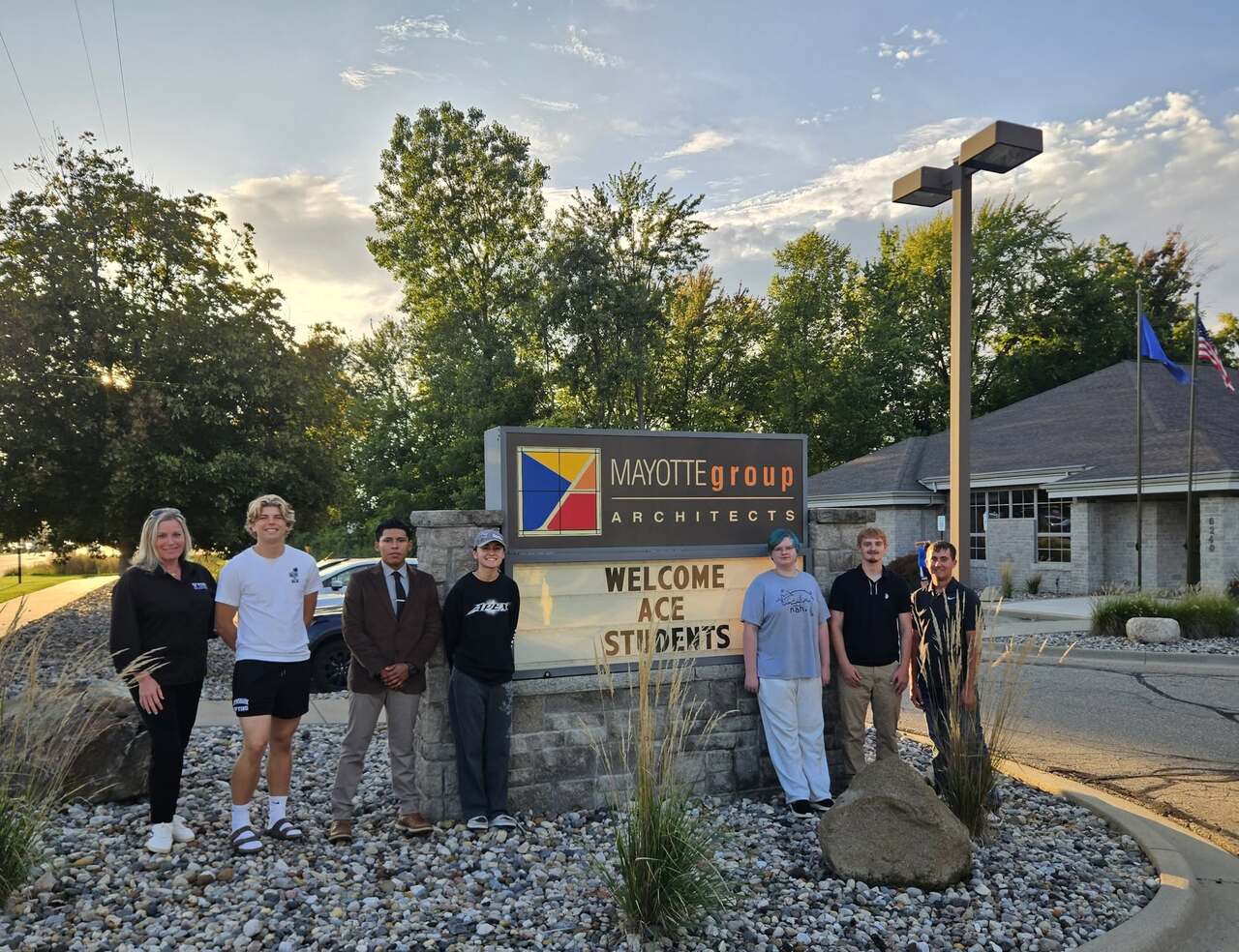
Seven Wilson Talent Center students are taking their engineering and construction skills beyond the classroom through the ACE Mentor Program at Mayotte Group Architects. Over 15 weeks, they’ll explore careers across the building industry while tackling a real-world design challenge: creating a brand-new elementary school.


