
For many high school juniors and seniors, the leap from classroom learning to the professional world can feel big. But at the Wilson Talent Center (WTC)—operated by Ingham ISD—that transition starts early through work-based learning experiences that blend career training, mentorship, and real-world skill-building.
In this episode of the Education UnPacked Podcast, host Micki O’Neil talks with Monique Colizzi and Jamie George, Career Readiness and Work-Based Learning Coordinators at WTC, about how their students are learning to show up, stand out, and succeed in the workplace.
Listen to the full episode wherever you get your podcasts.
Download the full E07 Transcript
The Four Stages of Work-Based Learning
At WTC, every student participates in at least one level of work-based learning—a system designed to build skills and confidence step by step:
Career Awareness: Career fairs, classroom visits, and industry field trips.
Career Exploration: Job shadows and career interviews with local employers.
Career Preparation: Classroom projects, mentorships, and mock interviews.
Career Training: Paid or unpaid work experiences with local business partners.
“Every student hits at least one of those stages—if not multiple,” says George.
“It’s about helping them grow from curious to confident.”
Boss Mode Boot Camp: Building Professionalism and Leadership
One of WTC’s newest initiatives, Boss Mode Boot Camp, is a twice-a-month speaker series where local industry professionals help students learn the “soft skills” employers value most—like dependability, initiative, and teamwork.
Recent sessions have focused on:
Making positive first impressions
Writing your personal story
Leadership and professionalism
Navigating the interview process
“It’s not just about job skills,” Colizzi explains. “It’s about helping students show up as their best selves—and understand what employers are really looking for.”
Mock Job Fairs and Career Coaching
Before students begin internships or job placements, they practice the full hiring process. Coordinators and instructors guide students through:
Writing professional cover letters and resumes
Practicing interview questions
Meeting one-on-one with local employers in mock interviews and job fairs
Each event brings in more than 20 industry partners—from manufacturing and healthcare to business and skilled trades—who offer feedback and encouragement.
From Classroom to Career
The program serves hundreds of students each year, with more than 20 students already working in paid or unpaid positions early in the school year. Most participants are seniors who have spent at least one year honing technical and professional skills in their chosen program area.
Employers, in turn, gain access to motivated young talent who are ready to contribute immediately.
“Employers tell us they can teach job-specific skills,” says George.
“What they need are students who show up, take initiative, problem-solve, and collaborate—and that’s what our students are learning to do.”
Connecting Students to Local Talent Needs
The partnership between the Wilson Talent Center and local businesses helps build the regional talent pipeline—linking high school students directly to industries eager for skilled, reliable workers.
As Colizzi puts it:
“Employers are thirsty for the right kids—students who are ready to step into meaningful roles and start contributing right away.”
Why It Matters
Programs like these do more than prepare students for jobs—they empower them to envision their futures, build confidence, and learn what professionalism really means. It’s a model that’s not only strengthening local career connections but also shaping the next generation of Michigan’s workforce.
Learn More
To learn more about work-based learning at the Wilson Talent Center, visit inghamisd.org/wtc, and explore more school stories and podcasts at BackPackPress.org.
Recent Stories:
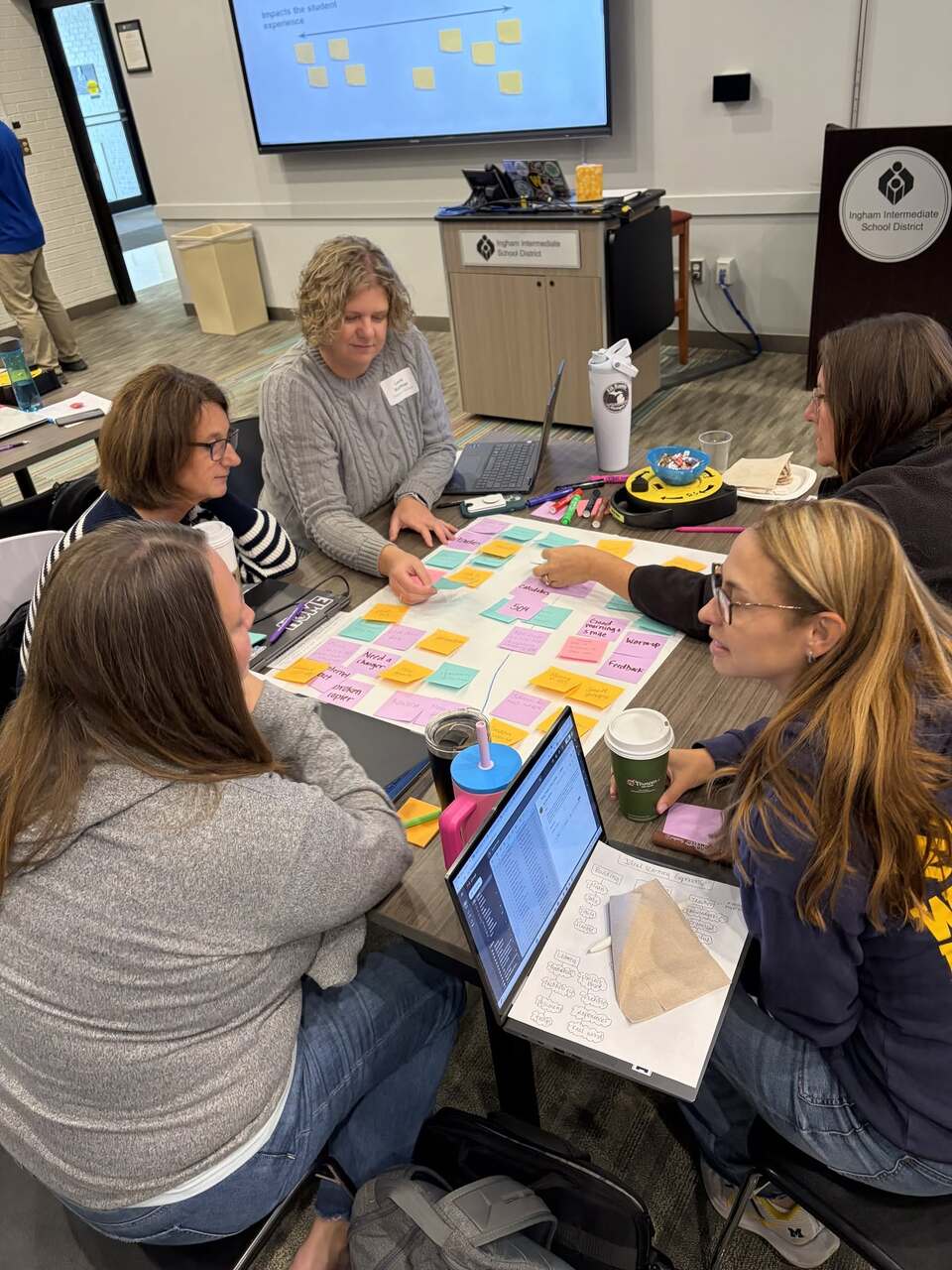
What happens when educators from different schools and communities get in the same room? Ideas travel. Questions get bigger. Practice gets stronger. Recent professional learning opportunities in early childhood literacy and secondary mathematics show how collaboration helps knowledge move across classrooms, schools and communities throughout the Ingham ISD service area.
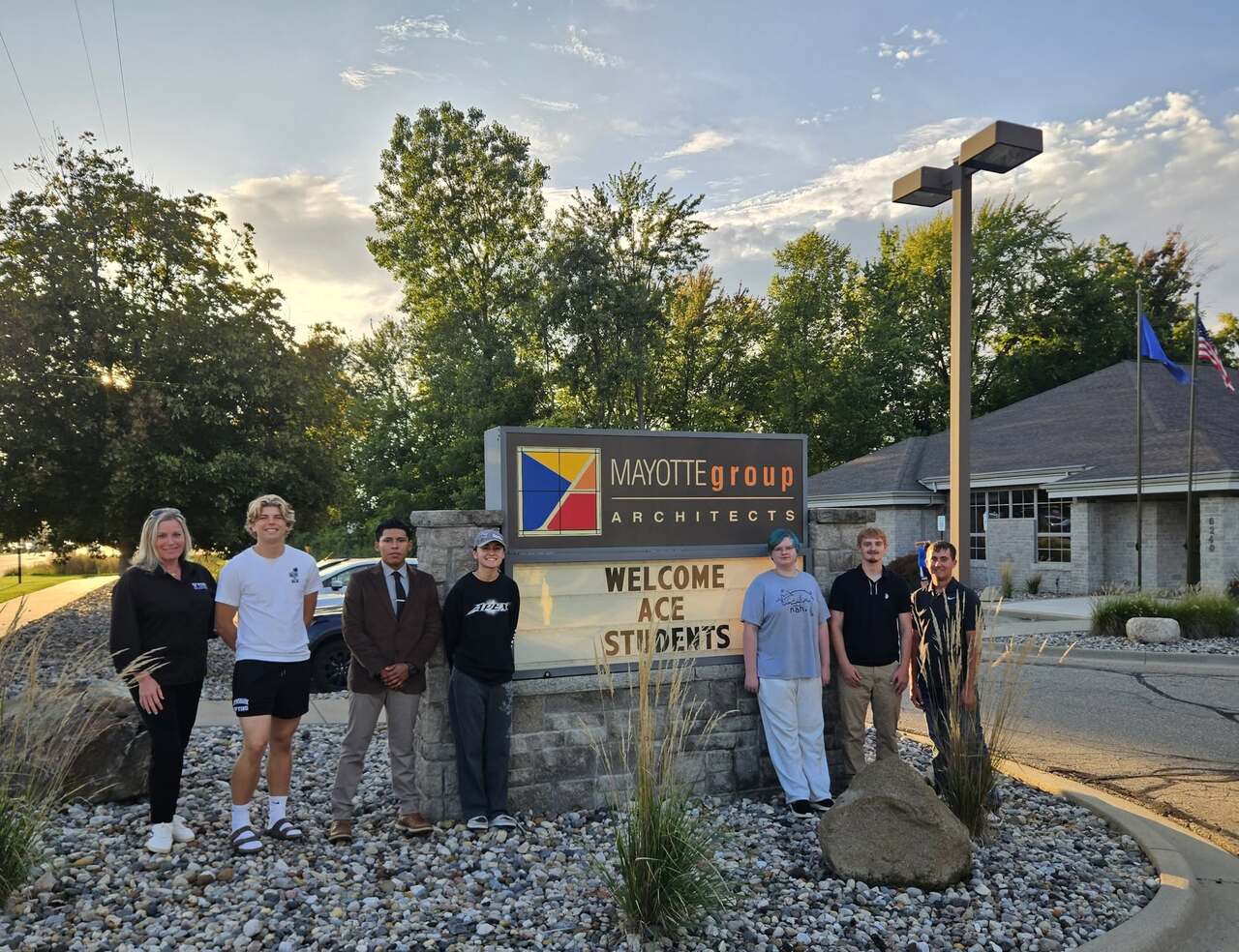
Seven Wilson Talent Center students are taking their engineering and construction skills beyond the classroom through the ACE Mentor Program at Mayotte Group Architects. Over 15 weeks, they’ll explore careers across the building industry while tackling a real-world design challenge: creating a brand-new elementary school.


