A good idea rarely stays in one room.
An educator hears something that changes the way they think. They try it with students. They share it with a colleague. That colleague adapts it for another classroom.
And suddenly, one conversation has traveled much farther than the room where it started.
That ripple effect was on display recently as Ingham ISD staff and educators from across the region came together for professional learning focused on two very different points in a student’s educational journey: early childhood literacy and secondary mathematics.
At Colt Early Childhood Education Center, Ingham ISD’s Shera Evans and Katherine Andersen spent a day learning alongside early childhood educators with a focus on oral language, learning environments and emergent literacy.
The conversation centered on some of the earliest building blocks of learning: how young children develop language, how their environments support that development and how educators can intentionally create experiences that help those skills grow.
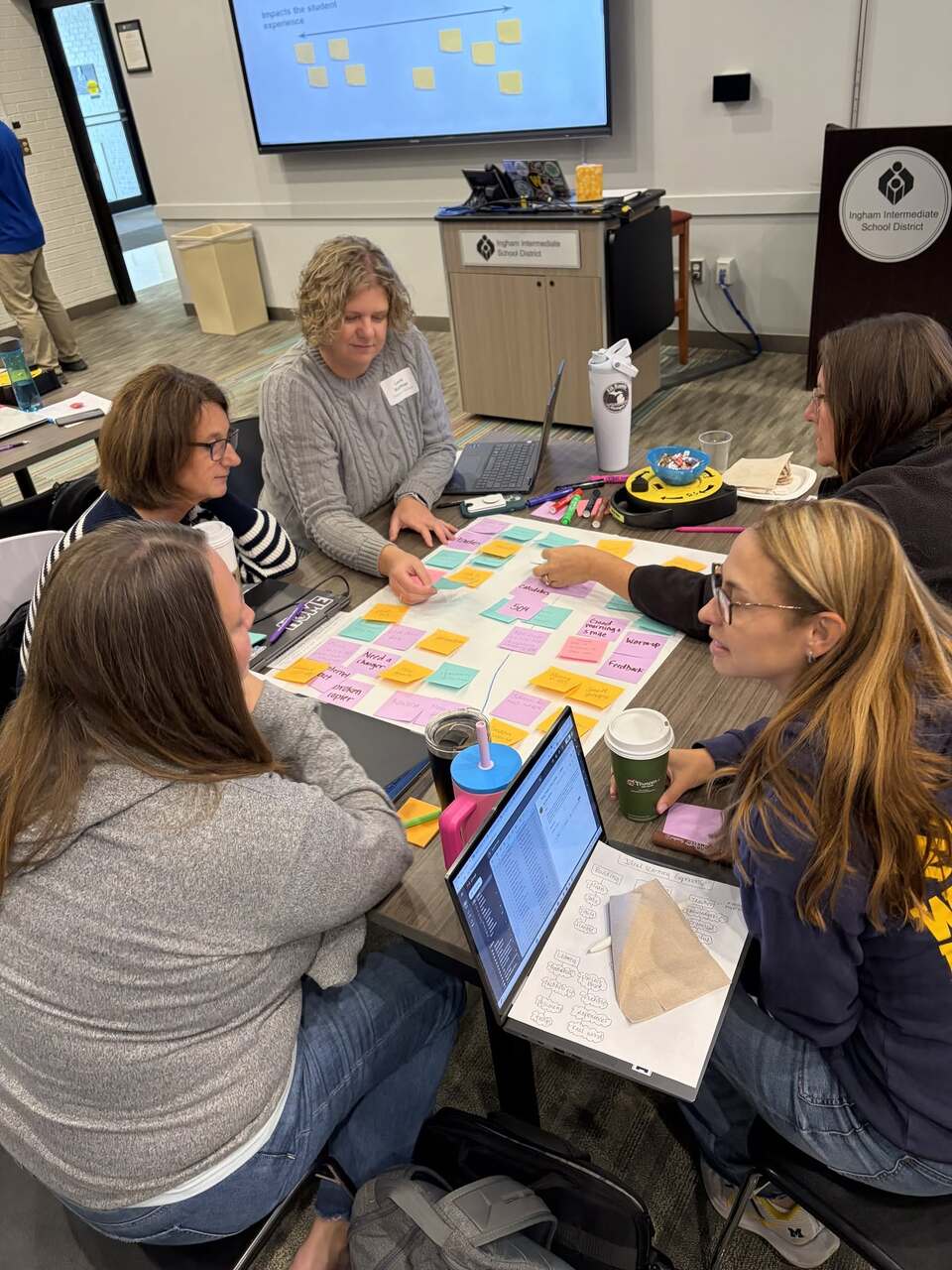
Elsewhere, educators from across the county gathered for the Ingham ISD Secondary Math Network on September 22.
Their focus looked different, but the spirit was much the same.
Educators brought resources, activities and ideas to the table, working through student-thinking tasks, discussing timely topics in mathematics education and considering how different approaches can shape both instruction and the student experience.
They weren’t simply listening to a presentation.
They were talking. Questioning. Comparing. Trying things. Learning from one another.
And that is part of the value of bringing educators together across classrooms, buildings and districts.
Professional learning doesn’t have to be knowledge moving in one direction—from an expert at the front of a room to everyone else.
Sometimes the most valuable learning happens across the table.
One educator brings an idea. Another brings a question. Someone else brings an experience that makes both of them see the issue differently.
Then they take those ideas back with them.
A conversation about oral language may influence tomorrow’s interaction with a preschooler. A math task explored among colleagues may change the question posed to a student next week. A resource shared across a table may eventually reach a classroom miles away.
The two gatherings focused on different subjects and different ages, but they demonstrated the same larger idea:
When educators have opportunities to learn from one another, the learning doesn’t end with them.
It travels.
And eventually, it reaches students.
Recent Stories:
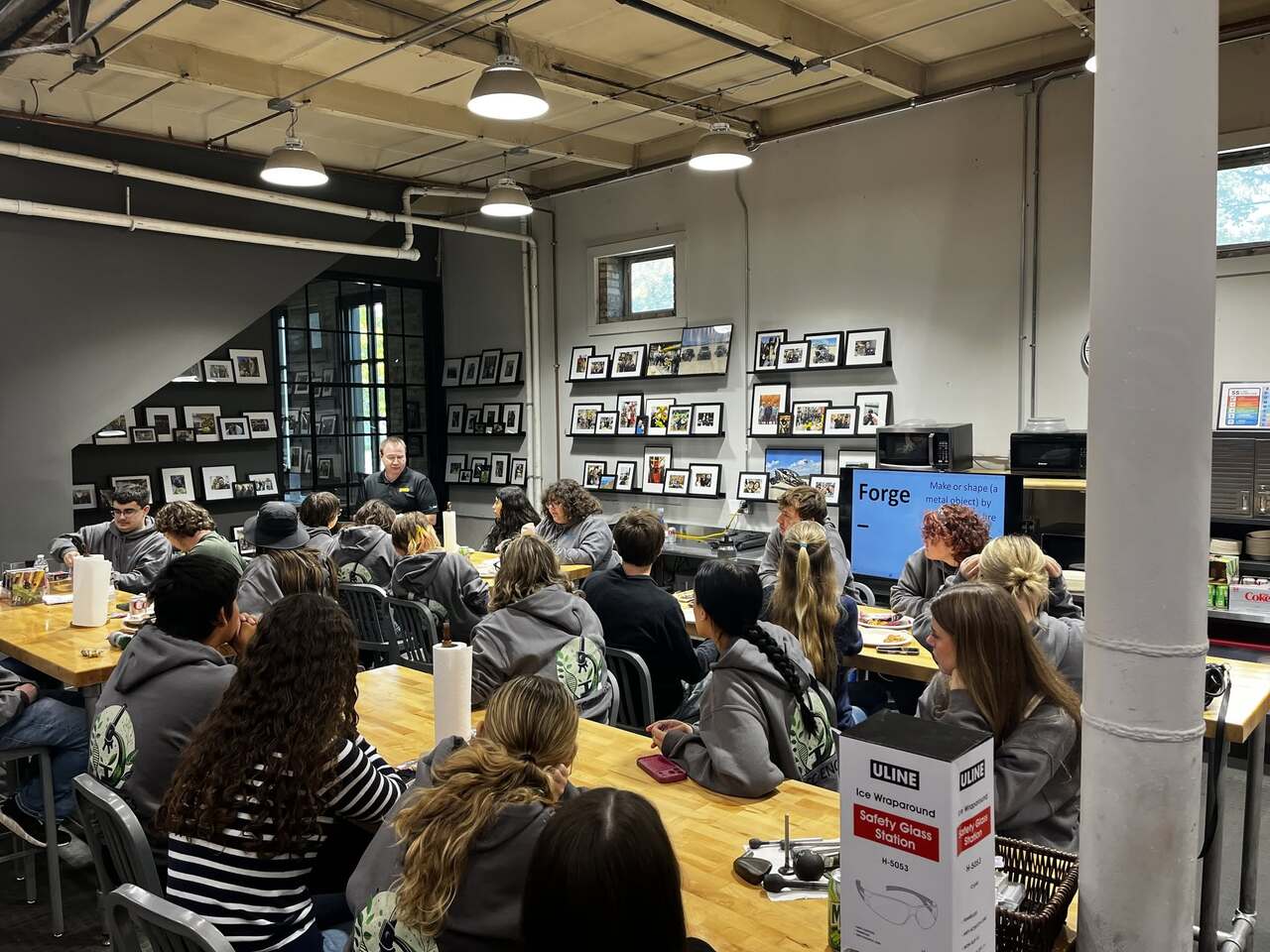
Wilson Talent Center students step inside local manufacturing workplaces to see firsthand how the skills they’re building in the classroom connect to careers right here in their community.
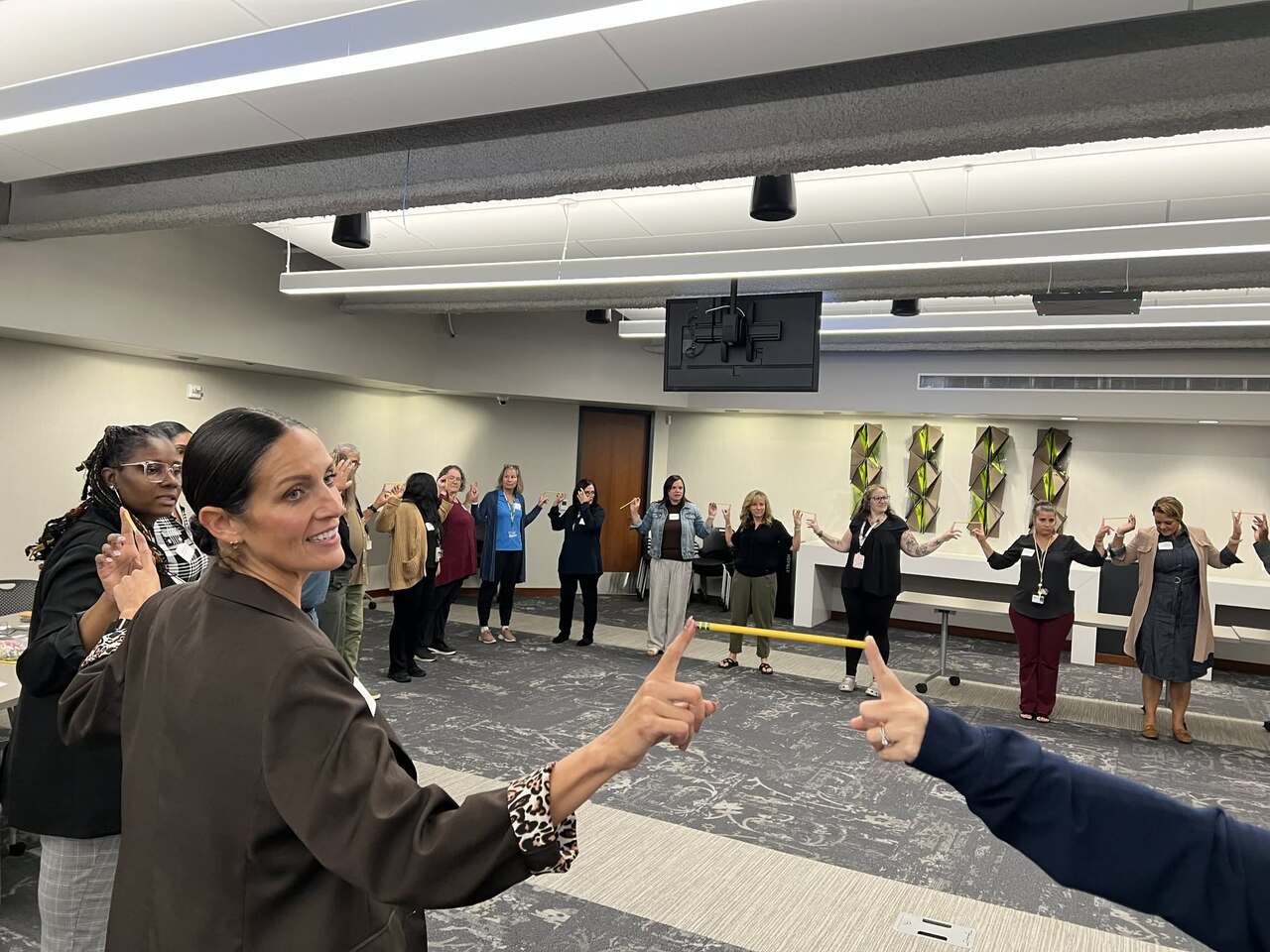
Educators across the Ingham ISD service area come together to examine data, strengthen instruction and learn from one another—all with the shared goal of creating better outcomes for students.


