

Education doesn’t just matter to students and families—it impacts all of us. From local economies to neighborhood stability, the realities of our education system ripple far beyond the classroom. That’s why BackPack Press is launching the UnPacked Podcast, a new weekly series dedicated to breaking down big issues in education with honesty, clarity, and real voices from inside schools.
Each week, UnPacked takes complex topics like programming, services, budgets, infrastructure, and data and makes them accessible through thoughtful, school-centered conversations. More importantly, these episodes don’t just talk about education—they amplify the voices of those closest to it: teachers, administrators, students, and community leaders.
Why is this important? Because education affects everyone. Even if you don’t have kids in school, what happens inside classrooms influences workforce readiness, property values, and community well-being. Schools are the heart of our communities, and understanding the challenges and opportunities they face helps us all move forward together.
The first episode, split into a four-part series, is available now. Explore intermediate school districts (ISDs) in Michigan—what they are, how they’re governed, their history, and how funding works. These conversations provide a clearer picture of an often-overlooked but essential part of our state’s education system.
New episodes will be released weekly, shining a light on the issues that matter most in our schools and beyond.
Listen now at backpackpress.org/unpacked
Recent Stories:
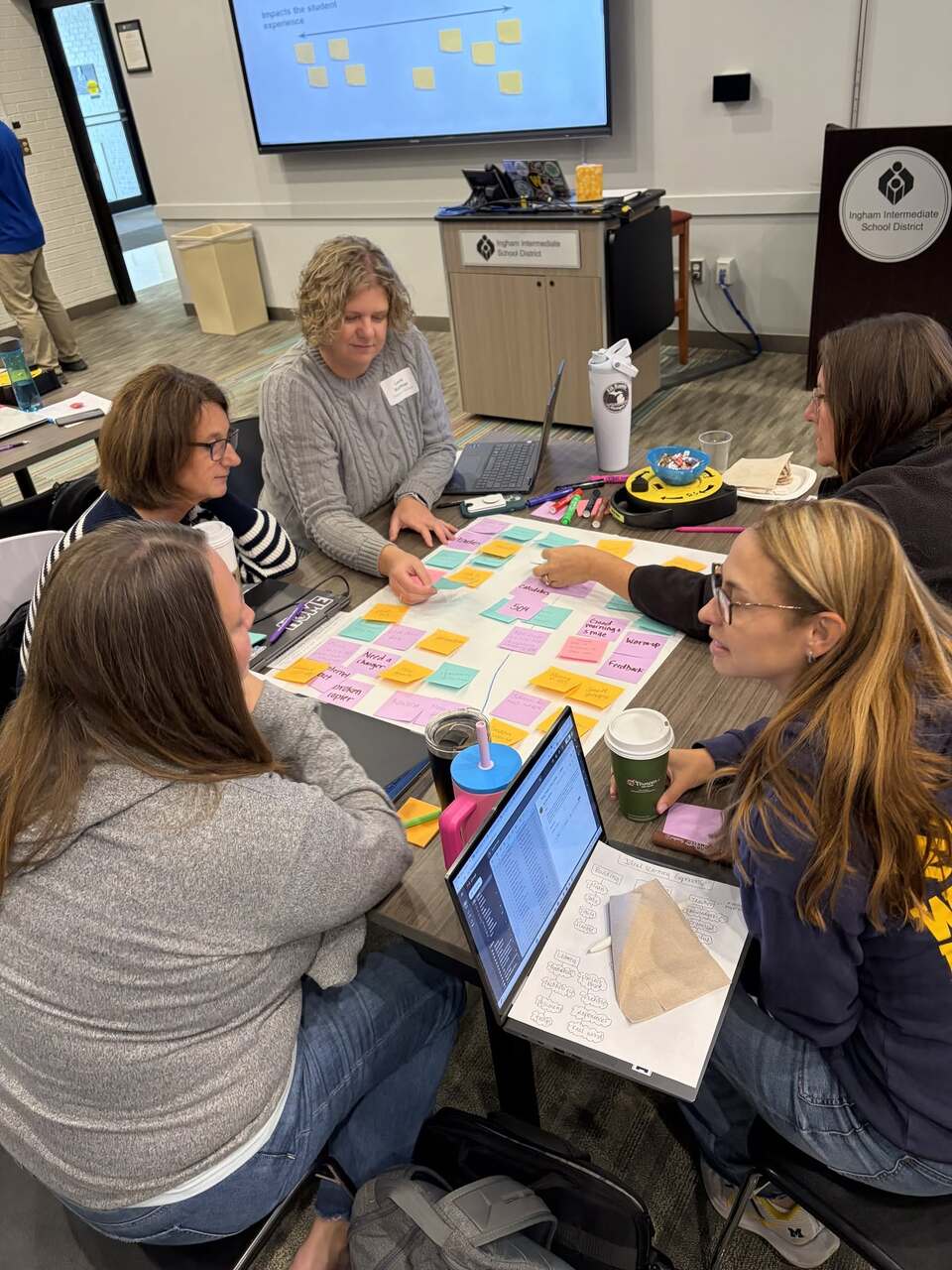
What happens when educators from different schools and communities get in the same room? Ideas travel. Questions get bigger. Practice gets stronger. Recent professional learning opportunities in early childhood literacy and secondary mathematics show how collaboration helps knowledge move across classrooms, schools and communities throughout the Ingham ISD service area.
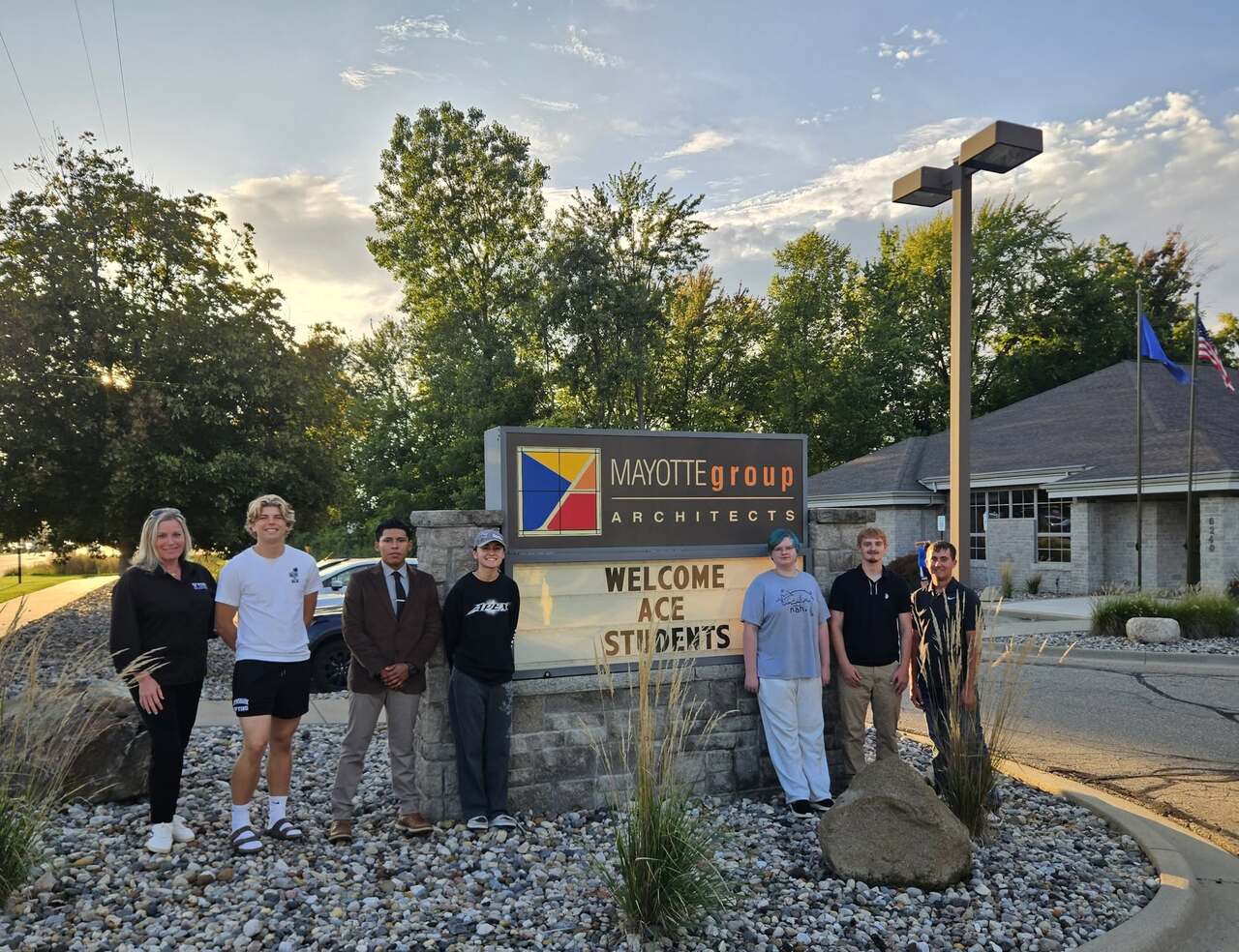
Seven Wilson Talent Center students are taking their engineering and construction skills beyond the classroom through the ACE Mentor Program at Mayotte Group Architects. Over 15 weeks, they’ll explore careers across the building industry while tackling a real-world design challenge: creating a brand-new elementary school.


