
In this kickoff episode, host Micki O’Neil sits down with Jason Mellema, Superintendent of Ingham ISD, to answer a foundational question:
What exactly is an Intermediate School District—and how does it serve students, families, and schools across Michigan?
Download the full Transcript
A Bridge Between the State and Local Schools
Intermediate School Districts—commonly called ISDs—were created in 1962 to serve as the connection point between the Michigan Department of Education (MDE) and local school districts (LEAs).
Each ISD coordinates services that help schools operate more efficiently and equitably, supporting students and families across an entire region.
“We act as an intermediary,” Mellema explains.
“Our role is to make sure systems run smoothly—so schools can focus on teaching and learning.”
Three Core Service Areas
ISDs support students through three broad pillars:
General Education – professional learning, technology, payroll, business and data services, and school improvement initiatives.
Special Education – individualized supports, evaluations, and compliance to ensure students receive a Free and Appropriate Public Education (FAPE).
Career & Technical Education (CTE) – connecting students to hands-on programs that prepare them for post-secondary education or the workforce.
When all three areas work in sync, ISDs provide a system of support that reaches every learner—no matter their path.
Early Childhood: Starting Strong
Early learning is a major part of every ISD’s mission. Ingham ISD offers:
Early On services for children birth to age 3 with developmental delays,
GSRP (Great Start Readiness Program)—Michigan’s free preschool program for eligible 4-year-olds, and
Parent playgroups and in-home supports to help families nurture healthy development long before kindergarten.
“If we’re doing it well,” says Mellema,
“we’re supporting families even before birth—so babies are born healthy and ready to learn.”
Birth Through Age 26: A Lifetime of Support
ISDs serve learners at nearly every stage:
Infants and toddlers receiving Early On therapy and family coaching,
Preschoolers building kindergarten readiness,
K-12 students accessing special-education, CTE, and classroom supports, and
Young adults (18-26) participating in transition programs that build life and job skills for independent living.
From the first home visit to the final career credential, ISDs provide a continuum of care and connection.
Why It Matters
Intermediate School Districts are often behind the scenes—but their impact is everywhere.
They help districts share resources, deliver specialized instruction, and ensure all students—regardless of zip code—have access to quality education and support.
“When ISDs do their job well,” Mellema says,
“families feel it in better programs, smoother systems, and stronger schools.”
Learn More
Discover how Ingham ISD serves students and families at inghamisd.org, and explore more school success stories at BackPackPress.org.
Recent Stories:
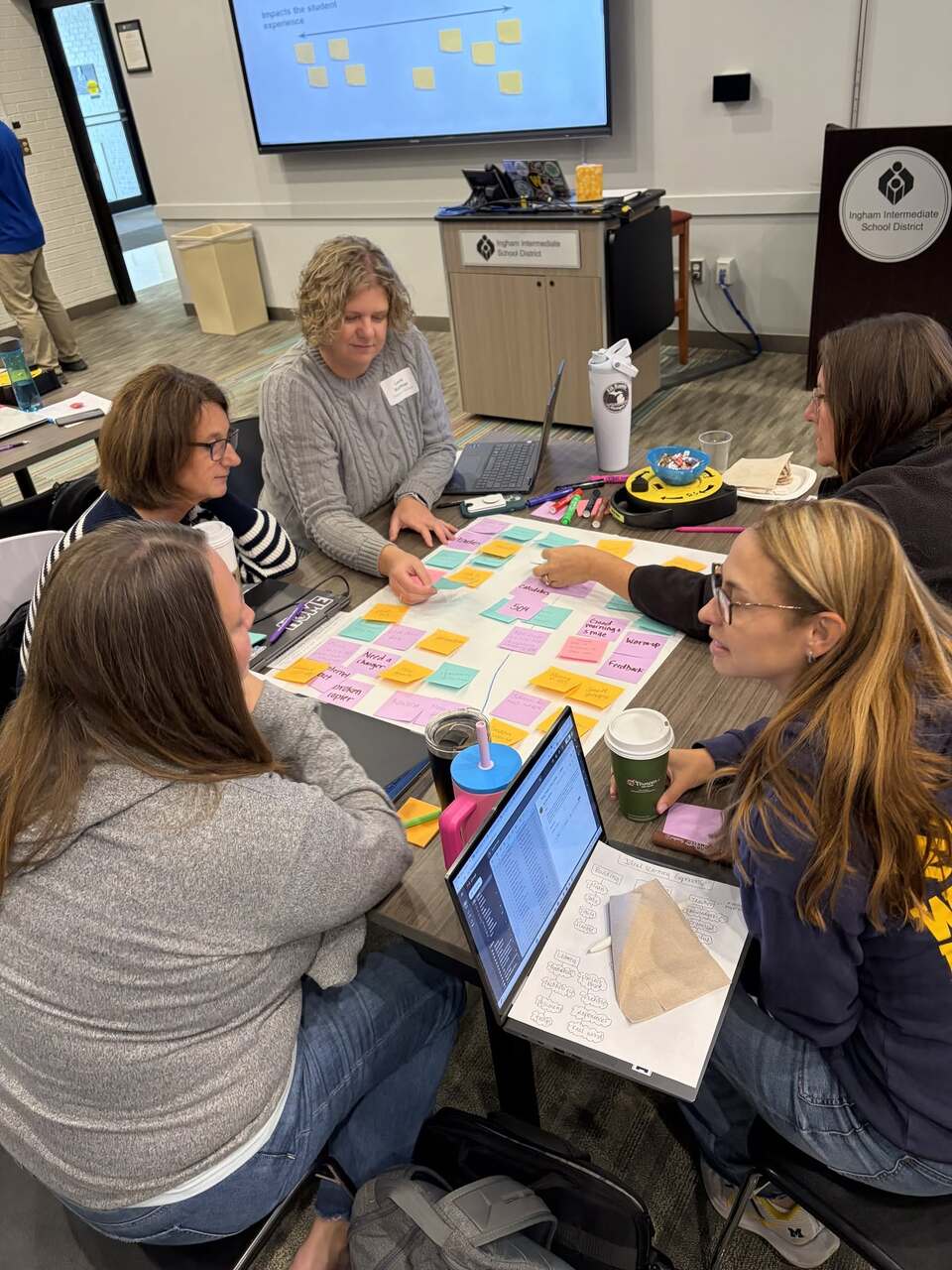
What happens when educators from different schools and communities get in the same room? Ideas travel. Questions get bigger. Practice gets stronger. Recent professional learning opportunities in early childhood literacy and secondary mathematics show how collaboration helps knowledge move across classrooms, schools and communities throughout the Ingham ISD service area.
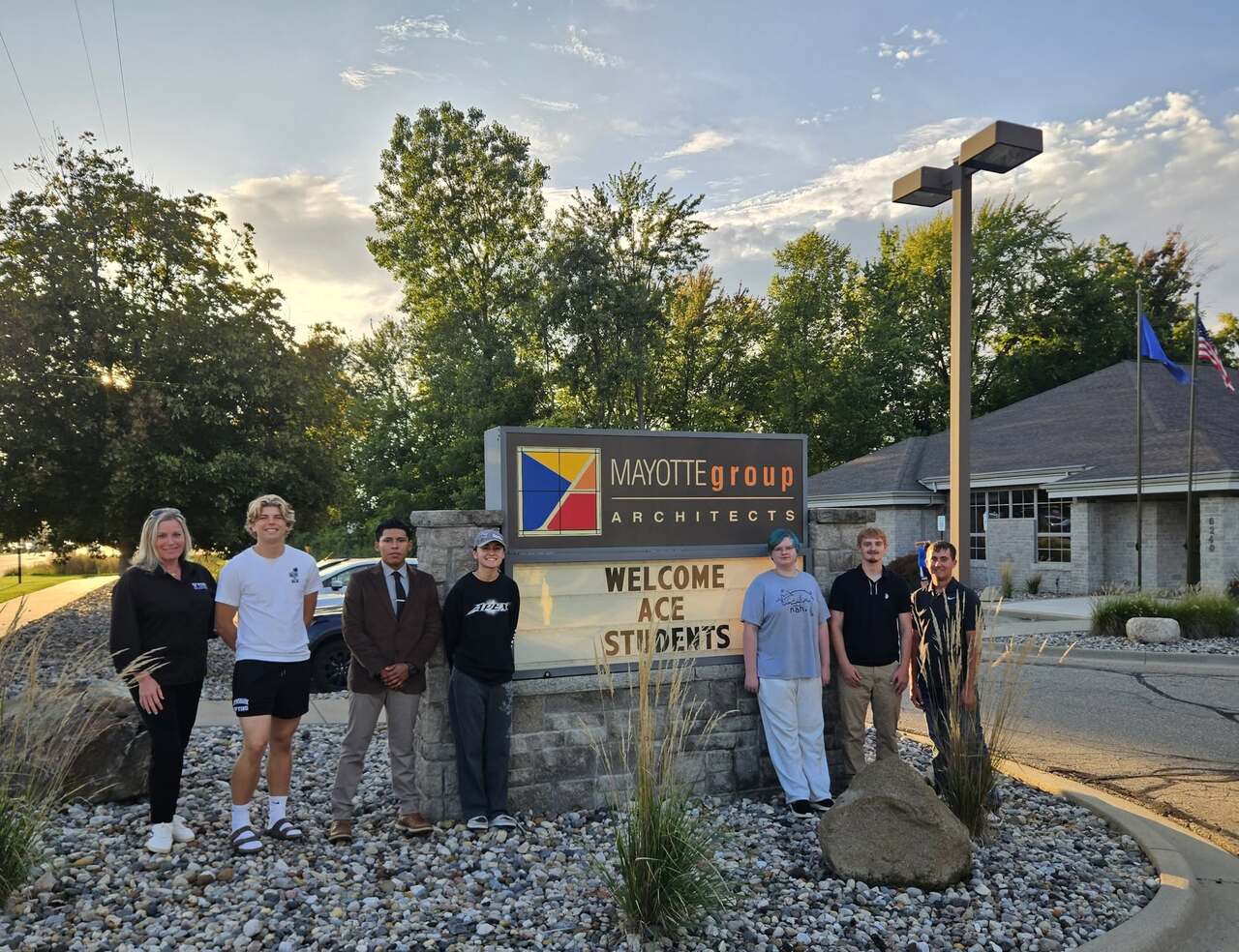
Seven Wilson Talent Center students are taking their engineering and construction skills beyond the classroom through the ACE Mentor Program at Mayotte Group Architects. Over 15 weeks, they’ll explore careers across the building industry while tackling a real-world design challenge: creating a brand-new elementary school.


