
Every student learns differently—and special education exists to make sure those differences are supported, not sidelined.
In this episode, host Micki O’Neil sits down with Jason Mellema, Superintendent of Ingham Intermediate School District (ISD), to break down what “special education” really means, how services are provided, and why the concept of a least restrictive environment matters for every learner.
Dowload the full Transcript.
The Foundation: IDEA and FAPE
Special education is guided by federal law—specifically the Individuals with Disabilities Education Act (IDEA), first passed in 1975 and reauthorized in 1990. This law ensures that every eligible student receives a Free and Appropriate Public Education (FAPE) tailored to their individual needs.
IDEA recognizes 13 disability categories, including:
Autism spectrum disorder (ASD) • Cognitive and physical impairments • Speech or language impairments • Traumatic brain injury • Emotional impairments • Deaf or hard of hearing • Visual impairments • Multiple impairments • Specific learning disabilities • Other health impairments —and more.
“These laws were written to make sure students with disabilities had access to education in the first place,” Mellema explains. “It’s about civil rights and equity—ensuring every student can learn in an environment that meets their needs.”
Learning in the Least Restrictive Environment (LRE)
One of the guiding principles of IDEA is that students should be educated in the least restrictive environment—meaning as close as possible to the general-education setting, alongside their peers, whenever appropriate.
Depending on a student’s needs, supports may include:
In-class accommodations, such as paraprofessional assistance or reading supports.
Pull-out resource time for small-group instruction.
Regional programs, where students receive specialized services in a nearby district.
Center-based programs (like Hartwood or Beekman Schools at Ingham ISD) for students requiring highly specialized care.
Beyond these options, some students may receive additional supports through hospitals or clinical settings—though those are outside the public-school scope.
“The goal,” Mellema notes, “is always to serve students as close to their home community as possible while still meeting their educational and developmental needs.”
The Role of the IEP
When a student qualifies under one of the 13 IDEA categories, a personalized Individualized Education Program (IEP) is created in collaboration with parents, teachers, and specialists.
Each IEP defines specific goals, accommodations, and the services a student will receive—from occupational therapy and speech services to modified curriculum or classroom support.
“The beauty of an IEP,” says Mellema, “is that it’s designed to be as unique as every student we serve. For one learner, it might mean 30 minutes of speech therapy a week; for another, two hours a day in a resource room. It’s all about individualized support.”
Why It Matters
Special education isn’t a separate system—it’s an integrated part of public education that helps students thrive academically and socially. By pairing specialized instruction with inclusive classrooms, schools give students the opportunity to learn with their peers while getting the tailored support they deserve.
“There’s no one-size-fits-all solution,” Mellema says. “The goal is always to provide the right supports in the right environment so every student can succeed.”
Learn More
To learn more about special-education programs and supports in your community, visit inghamisd.org or explore more stories of innovation and inclusion at BackPackPress.org.
Recent Stories:
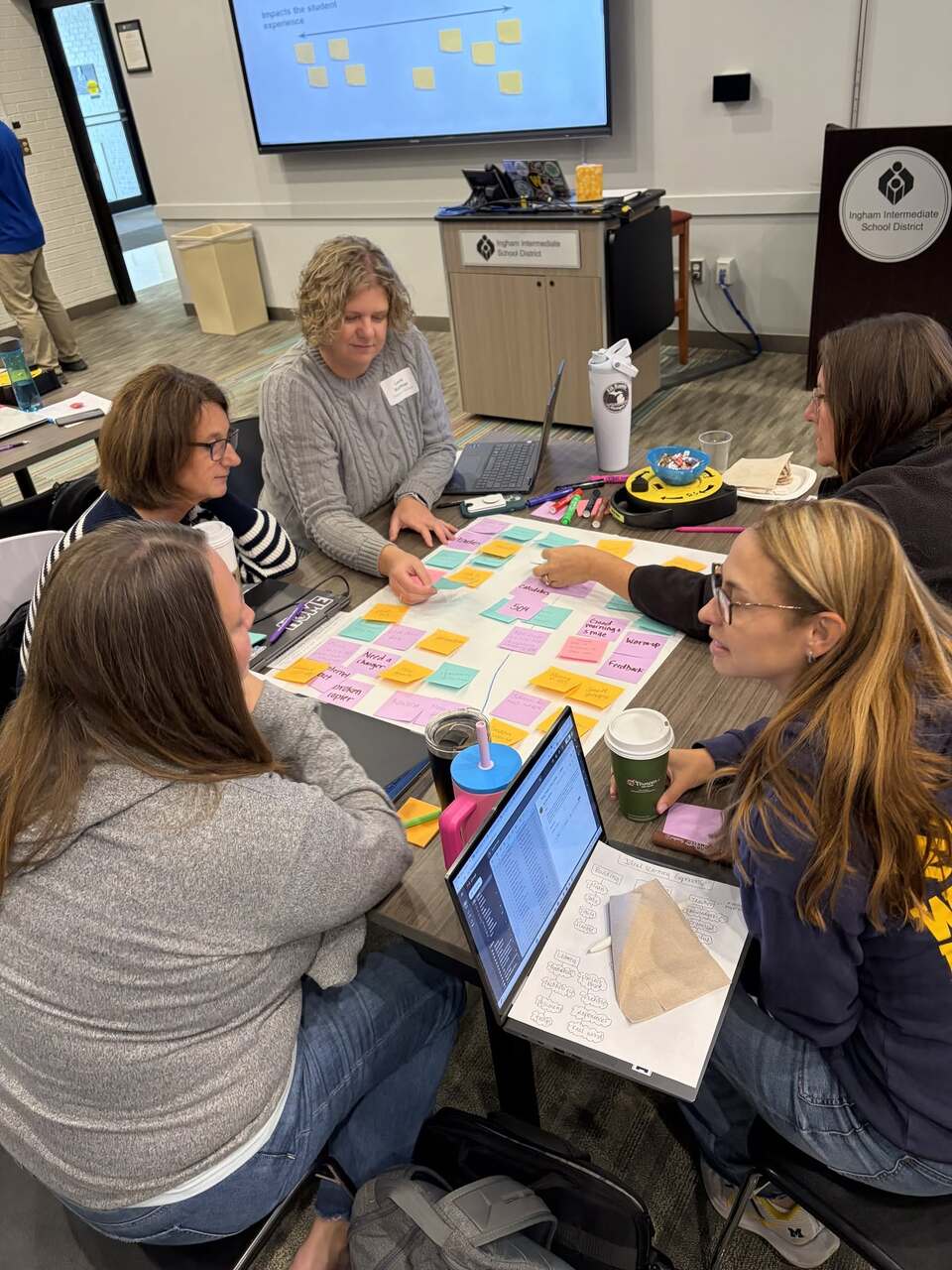
What happens when educators from different schools and communities get in the same room? Ideas travel. Questions get bigger. Practice gets stronger. Recent professional learning opportunities in early childhood literacy and secondary mathematics show how collaboration helps knowledge move across classrooms, schools and communities throughout the Ingham ISD service area.
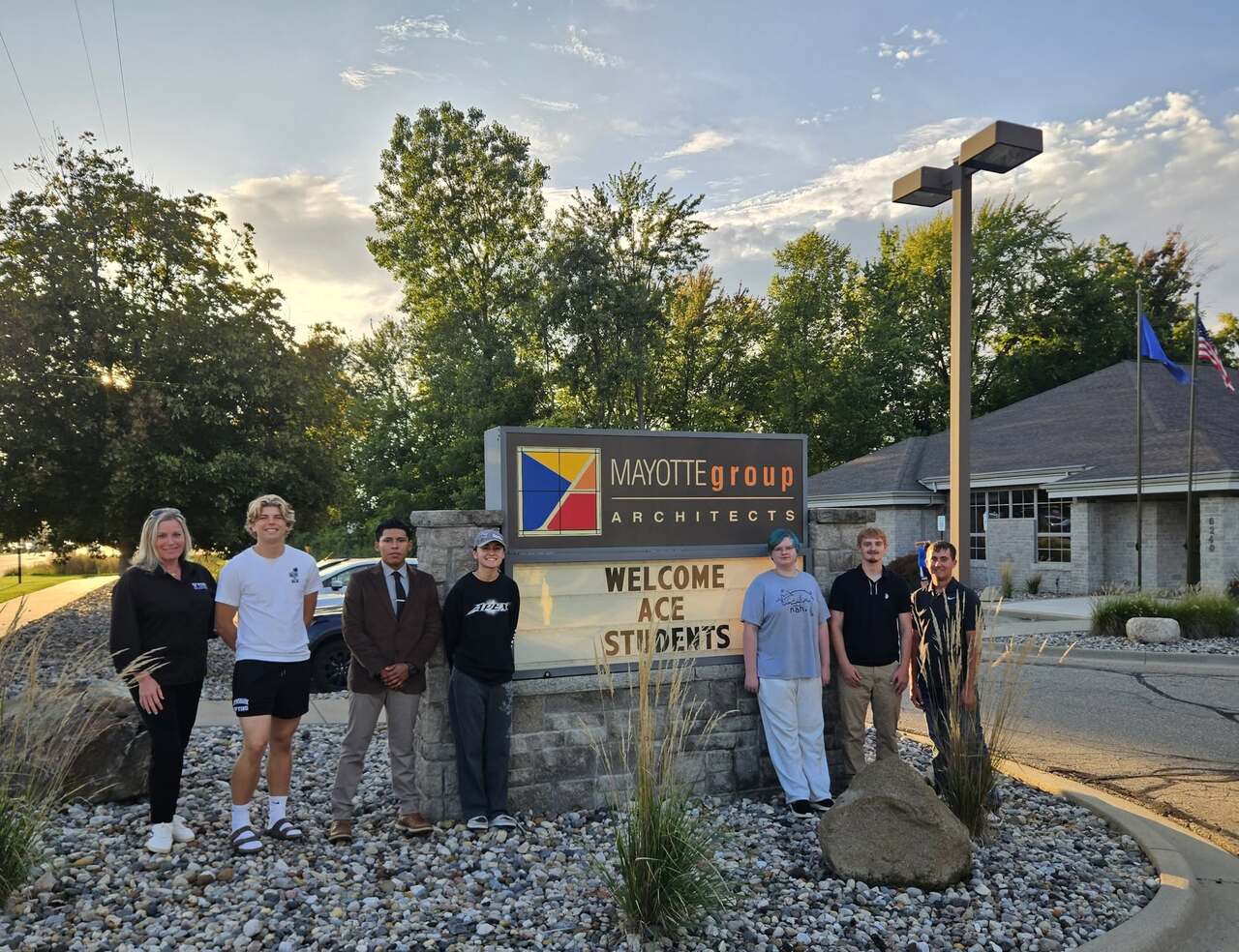
Seven Wilson Talent Center students are taking their engineering and construction skills beyond the classroom through the ACE Mentor Program at Mayotte Group Architects. Over 15 weeks, they’ll explore careers across the building industry while tackling a real-world design challenge: creating a brand-new elementary school.


