
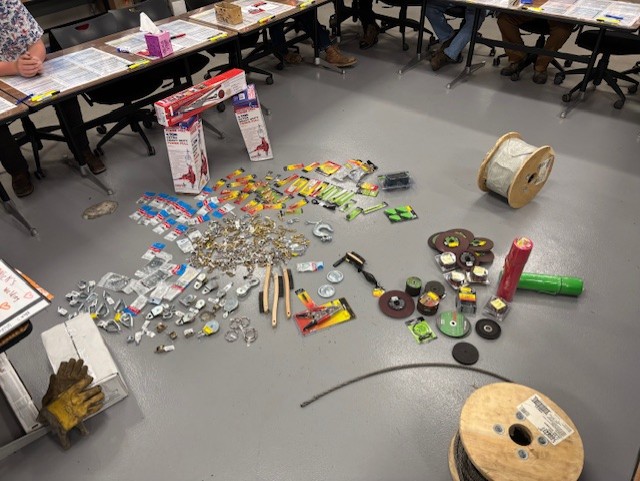
At the Wilson Talent Center, community partnerships aren’t just nice to have—they’re a vital part of student success. In recent weeks, students have benefited from a wave of local support that reinforces their learning with hands-on experiences, mentorship, and the tools of the trade.
Thanks to a generous donation from Family Farm and Home in Mason, MI, students across several programs received an array of tools, supplies, and consumables. These resources help ensure that students have access to the materials they need to safely explore, build, and grow their technical skills in authentic learning environments.
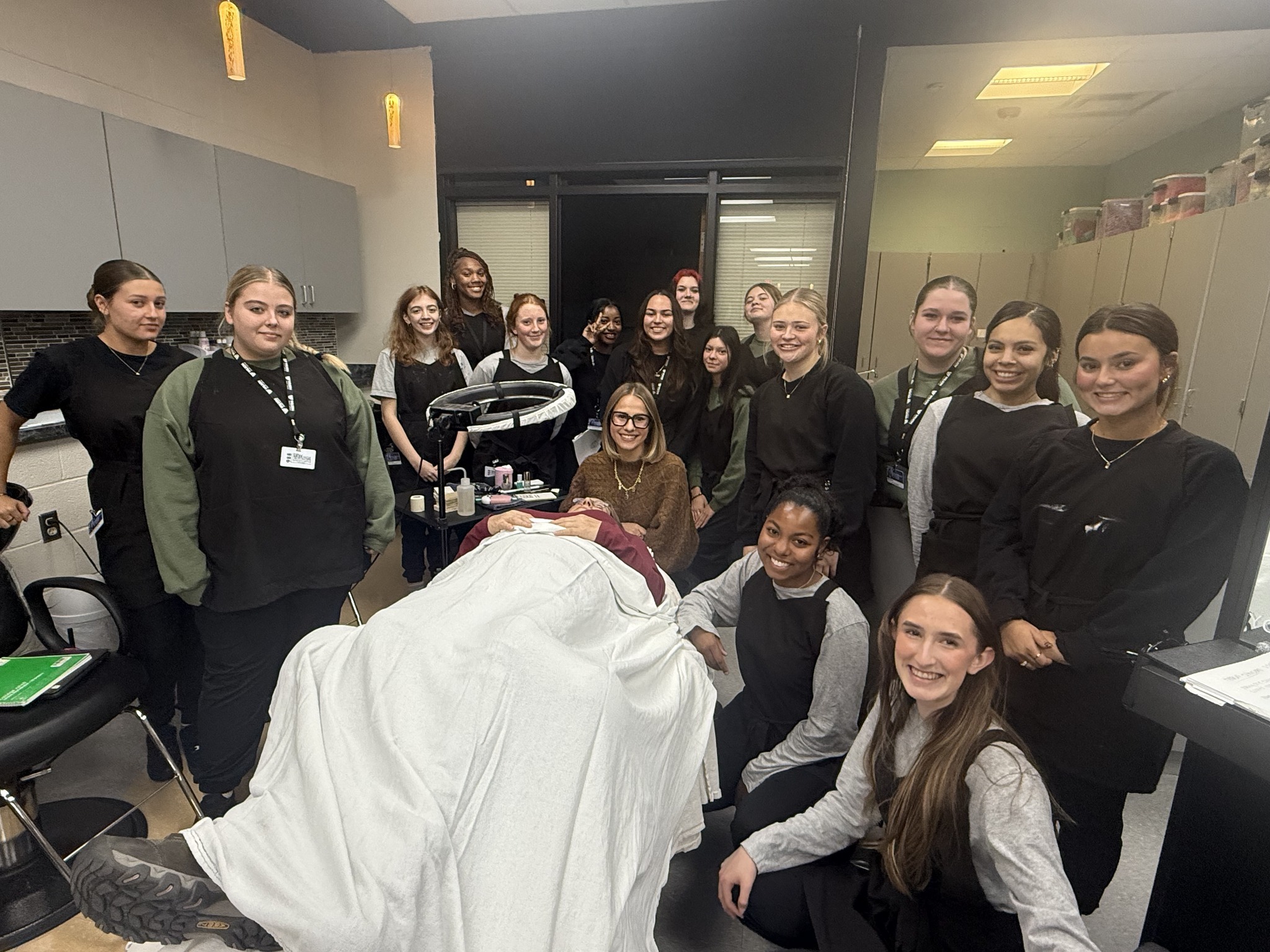
In the Cosmetology program, students received a career-focused visit from Abby Hines of Midwest Hair Lounge, who returned to her roots—literally and figuratively—as a proud graduate of the WTC program. Abby demonstrated lash extension techniques and walked students through the certification process, offering both inspiration and insight into the evolving beauty industry.
And in manufacturing classrooms and shop floors on campus, members of the Capital Area Manufacturing Council (CAMC) visited to connect with students, share expertise, and offer mentorship—especially encouraging young women exploring trades. Their presence brought encouragement, opportunity, and representation to students considering futures in fields where female voices are still underrepresented.

These three powerful examples all point to the same message: when students see their community show up, they gain confidence in themselves.
Whether it’s a donated drill, a returning alum, or a new industry mentor—every effort adds up. And at the Wilson Talent Center, students are building futures on a foundation of trust, teamwork, and tangible support.
See original posts:
Capital Area Manufacturing Council
Recent Stories:
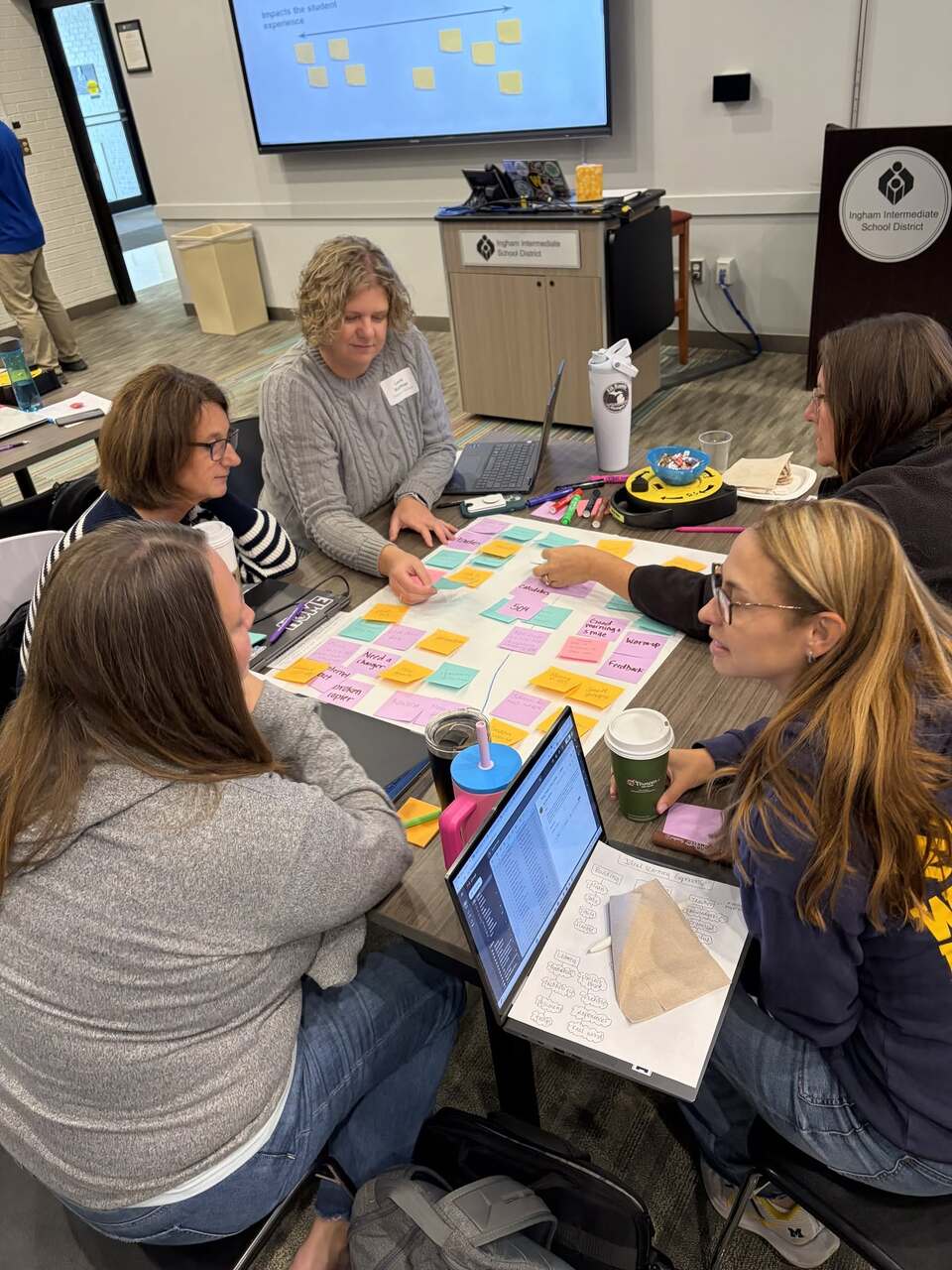
What happens when educators from different schools and communities get in the same room? Ideas travel. Questions get bigger. Practice gets stronger. Recent professional learning opportunities in early childhood literacy and secondary mathematics show how collaboration helps knowledge move across classrooms, schools and communities throughout the Ingham ISD service area.
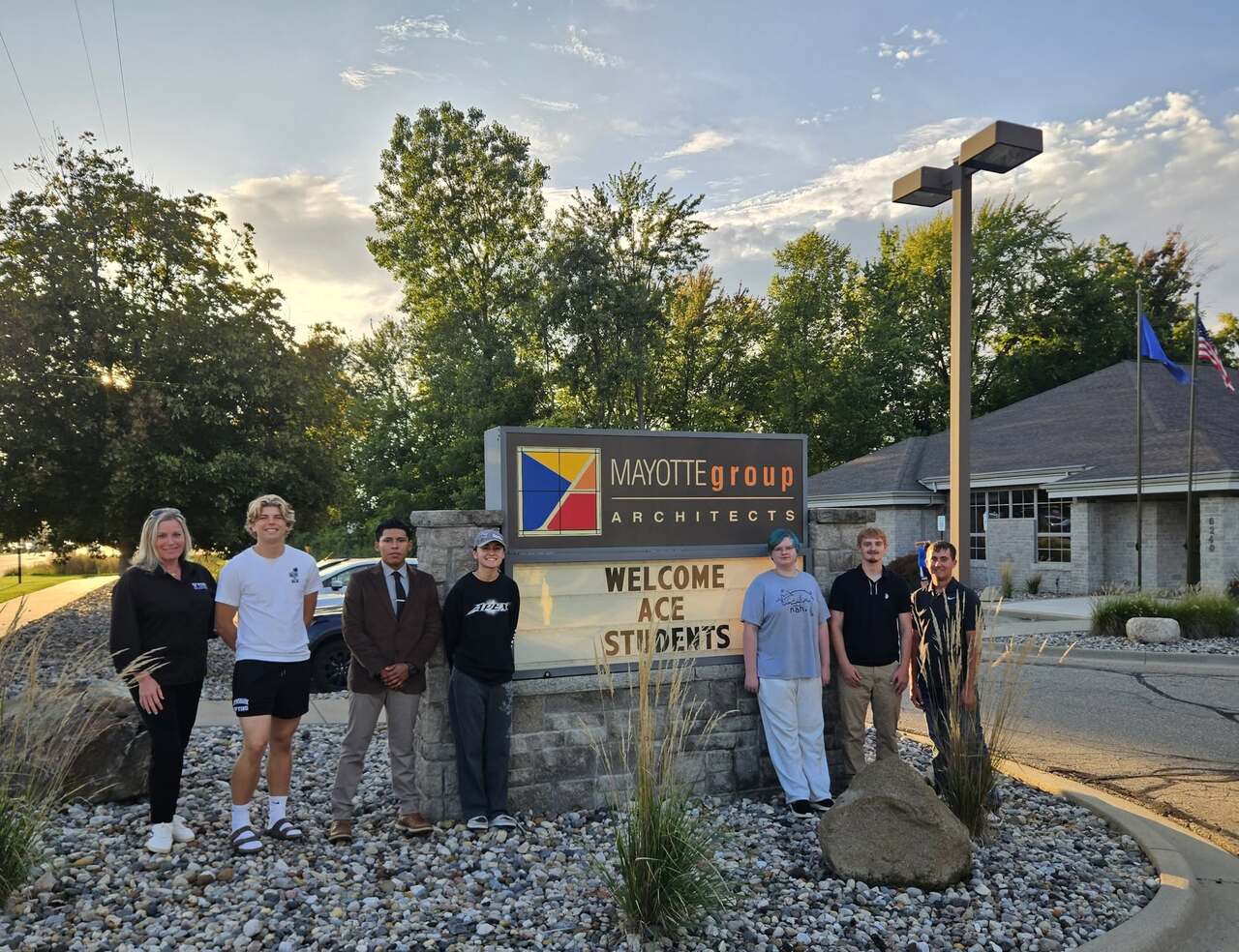
Seven Wilson Talent Center students are taking their engineering and construction skills beyond the classroom through the ACE Mentor Program at Mayotte Group Architects. Over 15 weeks, they’ll explore careers across the building industry while tackling a real-world design challenge: creating a brand-new elementary school.


