Knowing how to do the job matters.
But so does knowing how to send the email.
Ask the question.
Manage the deadline.
Introduce yourself.
Follow up.
Take initiative when no one explicitly tells you what to do next.
Those skills can be harder to teach from a textbook, but they can make an enormous difference in what happens after a student walks through the door.
That's why Wilson Talent Center's Career Readiness & Work-Based Learning Team is putting them front and center through Boss Mode Boot Camp.
A Toolbox for What Comes Next
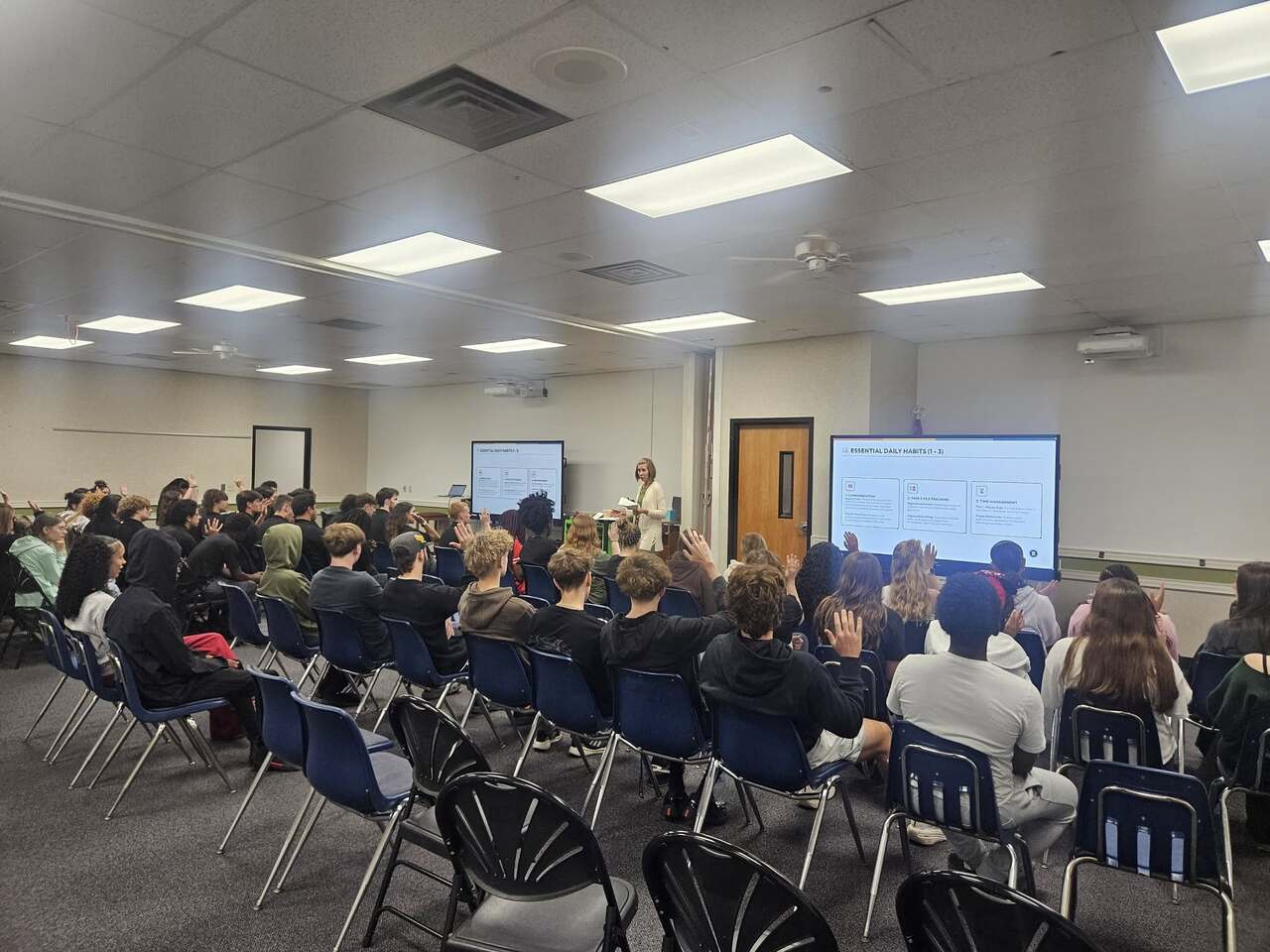
Nearly 800 Wilson Talent Center students participated in the first of four Boss Mode Boot Camp sessions planned for this school year.
The opening session, “Toolbox for Success,” packed practical career-readiness strategies into 30 minutes, focusing on skills students can put into action immediately.
Students explored effective communication and networking, embracing challenges and taking initiative, time management and organization, follow-up and even the importance of knowing when to say “yes” to an opportunity while managing stress along the way.
These aren't skills tied to one particular profession.
They're skills students can carry almost anywhere.
Knowing It Isn't the Same as Doing It
There's a difference between telling students that communication matters and asking them to decide how they would communicate in an actual situation.
That's where Boss Mode Boot Camp goes a step further.
Students worked through real-world scenarios and considered how they could put the strategies they'd just learned into practice in workplace and academic settings.
What do you do when you need to send a professional email?
How do you make a new connection and maintain it?
What happens when you're overwhelmed by competing priorities?
When is it time to step up rather than wait for someone else to solve the problem?
Those everyday decisions are part of career readiness, too.
Preparing for More Than the First Job
At Wilson Talent Center, students are developing technical knowledge and skills connected to specific career pathways.
Boss Mode Boot Camp adds another layer.
Because wherever students go next—into college, additional training, an apprenticeship or directly into the workforce—they'll be working with other people, managing responsibilities and encountering situations without an instruction manual.
Being prepared means having tools for those moments, too.
And like any other skill, they become more useful when students have opportunities to practice them before the stakes get higher.
More Tools Are Coming
“Toolbox for Success” is only the beginning.
Four Boss Mode Boot Camp sessions are planned throughout the year, giving students additional opportunities to build skills that can support them beyond Wilson Talent Center.
The next session is scheduled for November 24, when financial industry partners from Dart Bank will join students to explore investing and building a strong financial future.
Because career preparation isn't just about teaching students to do great work.
It's also about helping them build the skills to navigate everything that comes with it.
Recent Stories:
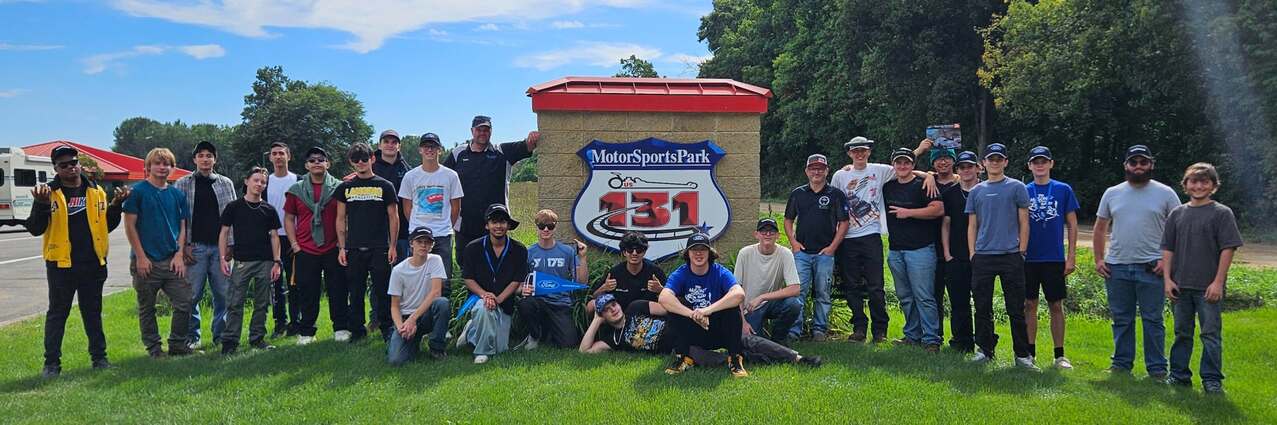
Nearly 30 Wilson Talent Center Auto Tech I & II students traded the classroom for the racetrack during the NHRA Youth & Education Services Program at US 131 Motorsports Park. The experience gave students a front-row look at how STEM concepts, skilled trades and automotive careers come together in the world of high-performance racing.
Nearly 800 Wilson Talent Center students kicked off the first of four Boss Mode Boot Camp sessions with “Toolbox for Success,” a 30-minute crash course in communication, networking, initiative, organization and managing the demands of school and work. The goal? Give students practical strategies they can start using right now.


