Open the refrigerator. Grab the milk.
Scoop some ice cream.
Crack open the butter.
For most of us, that's about as much thought as we give to how dairy gets into the kitchen.
But for students learning the culinary arts, there's a lot more to the story.
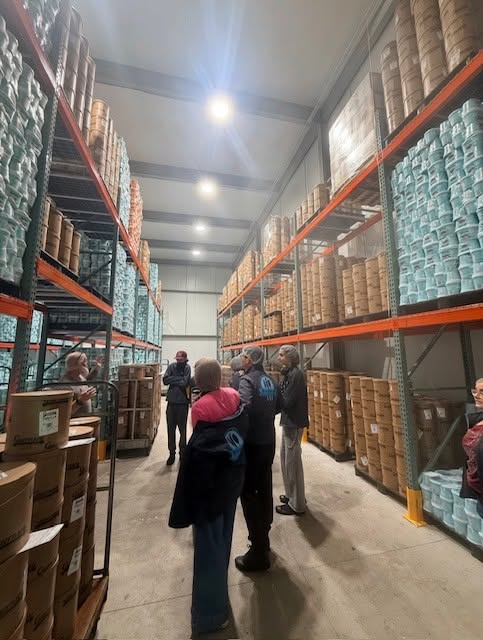
Second-year students from Wilson Talent Center's Culinary Arts program recently traveled to Guernsey Farms Dairy in Northville for a firsthand look at what happens between raw milk and the dairy products we recognize on the shelf.
Turns out, there's quite a journey in between.
Before It Ever Reaches the Kitchen
The visit was an extension of the students' classroom unit on dairy products and eggs, giving them an opportunity to see processes they'd been studying happen on a much larger scale.
Students followed dairy through multiple stages of production, including separation, pasteurization and homogenization, learning how raw ingredients are transformed into safe, consistent products ready for consumers and commercial kitchens.
And then there was ice cream.
Because if you're going to study dairy, you might as well see where the really good stuff happens.
But even something as familiar as ice cream provided another opportunity to look beneath the finished product.
Every carton represents ingredients, equipment, food science, sanitation, temperature control, production processes and people working together long before a scoop reaches the bowl.
Culinary Arts Starts Before the Recipe
Learning to cook is certainly part of culinary education.
Understanding food is something bigger.
Where ingredients come from, how they're processed, how they're handled safely and why they behave the way they do all influence what eventually happens in a kitchen.
Seeing those systems firsthand gives students context that can be difficult to replicate in a classroom.
A term like pasteurization is one thing on a page.
Watching it happen as part of an operating dairy is another.
Students can begin connecting the ingredient they hold in their hands with the much larger food system that brought it there.
Following Food Backward
Most of us experience food at the end of its journey.
We see the carton.
The gallon.
The tub of ice cream.
Culinary professionals need to understand more of what came before.
Experiences like the Guernsey Farms Dairy visit allow students to follow familiar products backward and ask a different set of questions:
How was this made?
Why was it processed this way?
What affects its quality?
What needs to happen before it's safe and ready to use?
Those questions help turn an ingredient into something students truly understand.
From the Dairy to What's Next
The Guernsey Farms Dairy team welcomed students behind the scenes and helped make those connections visible, with Joe, Greg and other staff members guiding students through the operation.
Soon, those students will be back in their own kitchens at Wilson Talent Center.
The milk will still look like milk.
The ice cream will still look like ice cream.
But now they'll know a little more about everything that happened before it got there.
And that's part of learning to work with food:
Don't just know what you're making.
Know what you're making it with.
Recent Stories:
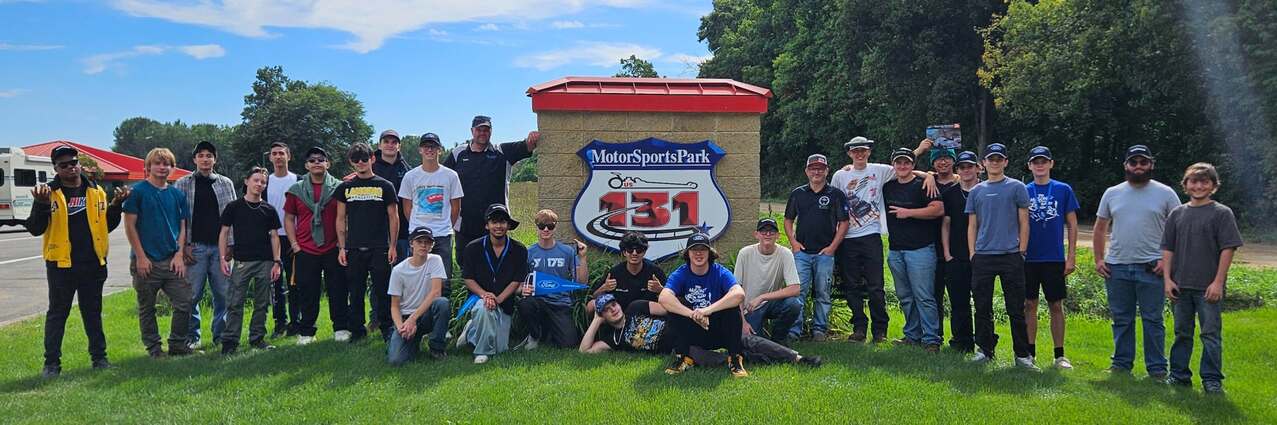
Nearly 30 Wilson Talent Center Auto Tech I & II students traded the classroom for the racetrack during the NHRA Youth & Education Services Program at US 131 Motorsports Park. The experience gave students a front-row look at how STEM concepts, skilled trades and automotive careers come together in the world of high-performance racing.
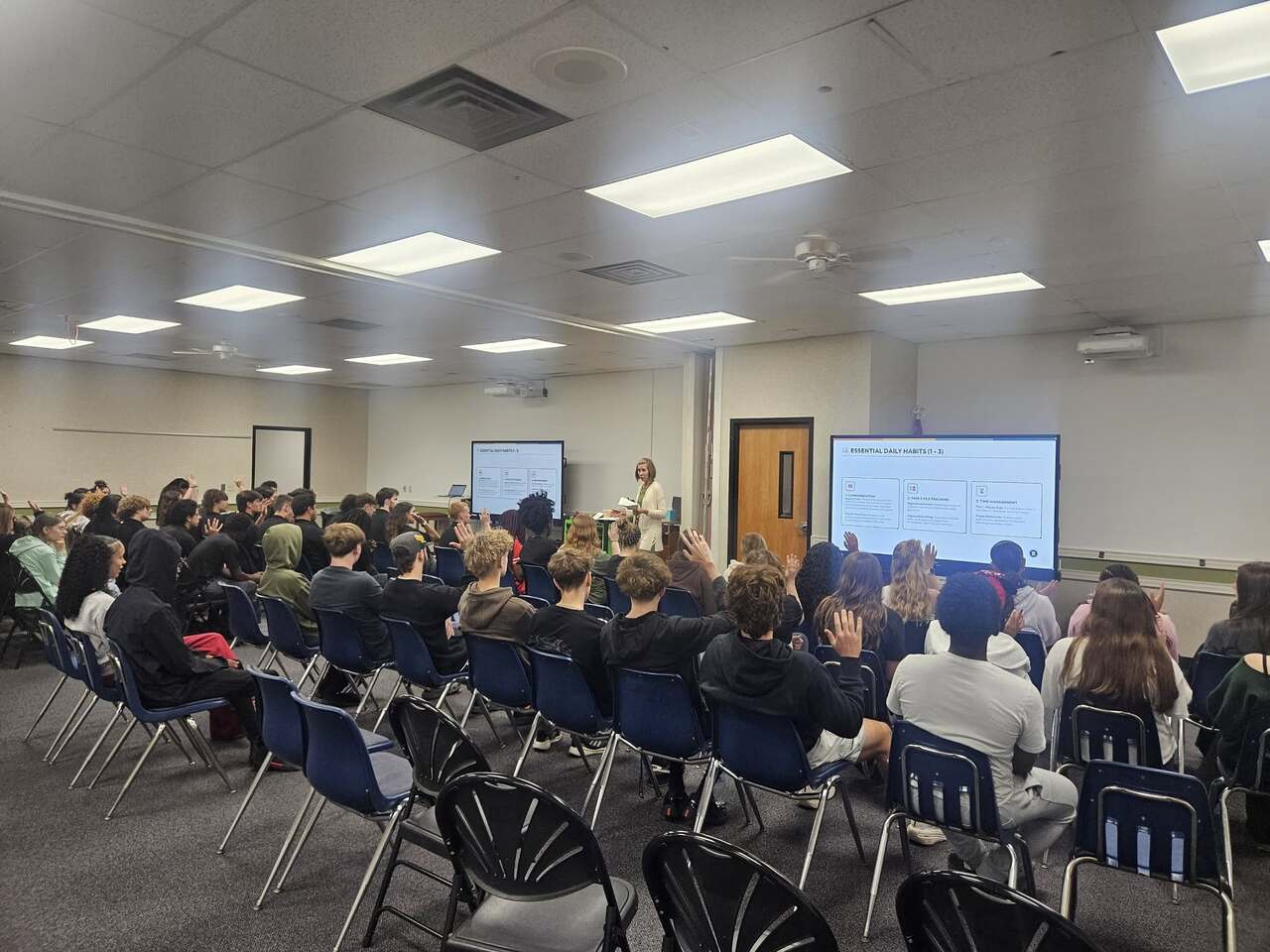
Nearly 800 Wilson Talent Center students kicked off the first of four Boss Mode Boot Camp sessions with “Toolbox for Success,” a 30-minute crash course in communication, networking, initiative, organization and managing the demands of school and work. The goal? Give students practical strategies they can start using right now.


