

Big decisions about education often happen far from the classroom—but the voices shaping those conversations matter.
Recently, school district leaders from Clinton, Eaton, Ingham, and Shiawassee Counties gathered as part of the CARES Collaborative to meet with legislative officials and discuss education priorities, school funding, and the importance of completing Michigan’s state budget by July 1.
The gathering provided an opportunity for local education leaders to share ideas, discuss challenges, and advocate for the resources schools need to best support students, staff, and communities.
The CARES Collaborative—short for Capital Area Regional Education Strategy—was created through a partnership between four regional education service agencies: Clinton County RESA, Eaton RESA, Ingham Intermediate School District, and Shiawassee Regional Education Service District. The collaborative is designed to strengthen the collective voice of public education across the Capital Area by improving coordination and engagement with state and federal policymakers.
While every district has unique needs, many educational priorities are shared—from student support services and staffing challenges to school funding and long-term planning.
By coming together regionally, leaders can better align priorities and advocate more strategically for the students and educators they serve.
Because when communities work together, schools become stronger—and stronger schools help create stronger futures for everyone.
Recent Stories:
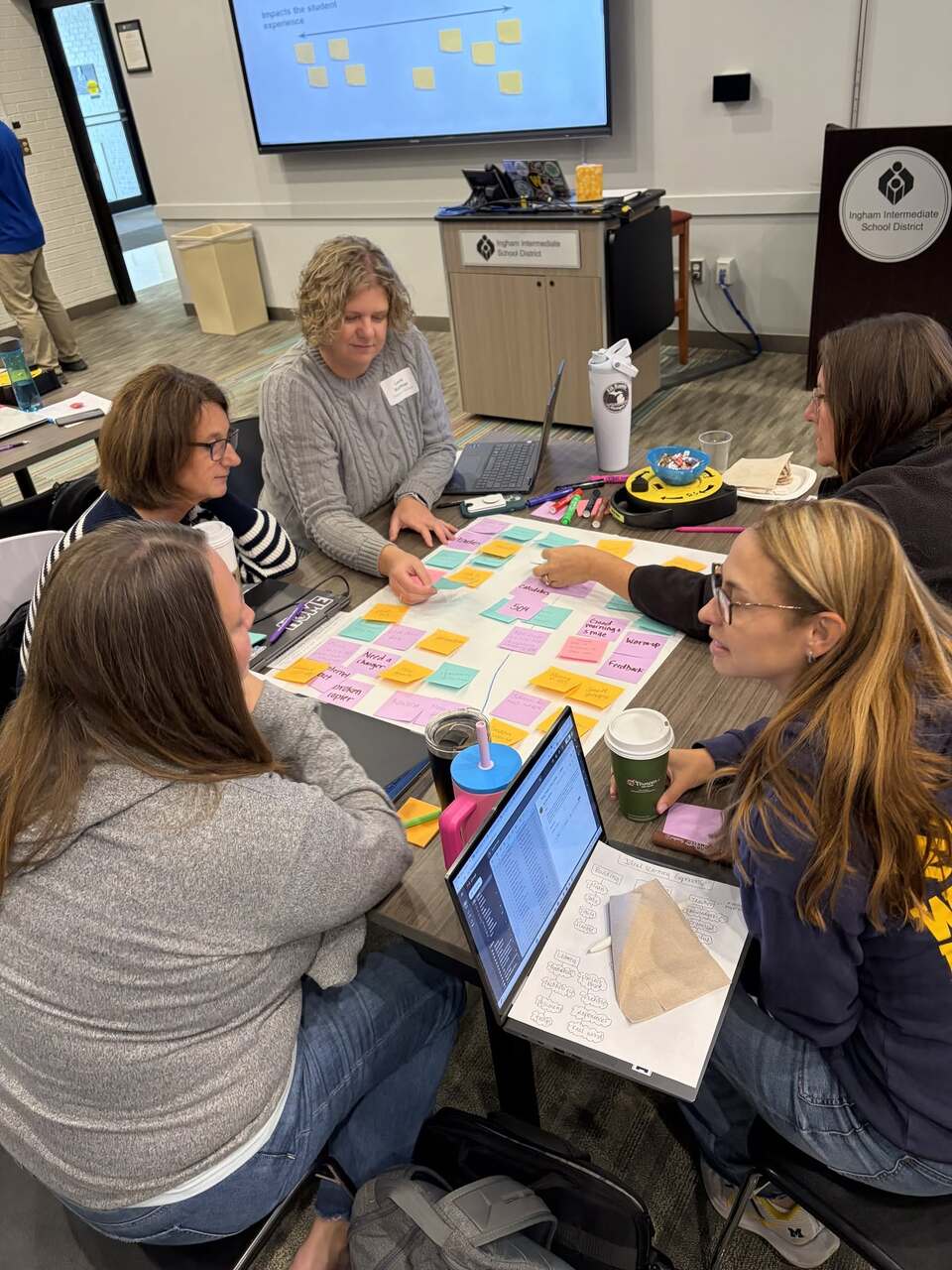
What happens when educators from different schools and communities get in the same room? Ideas travel. Questions get bigger. Practice gets stronger. Recent professional learning opportunities in early childhood literacy and secondary mathematics show how collaboration helps knowledge move across classrooms, schools and communities throughout the Ingham ISD service area.
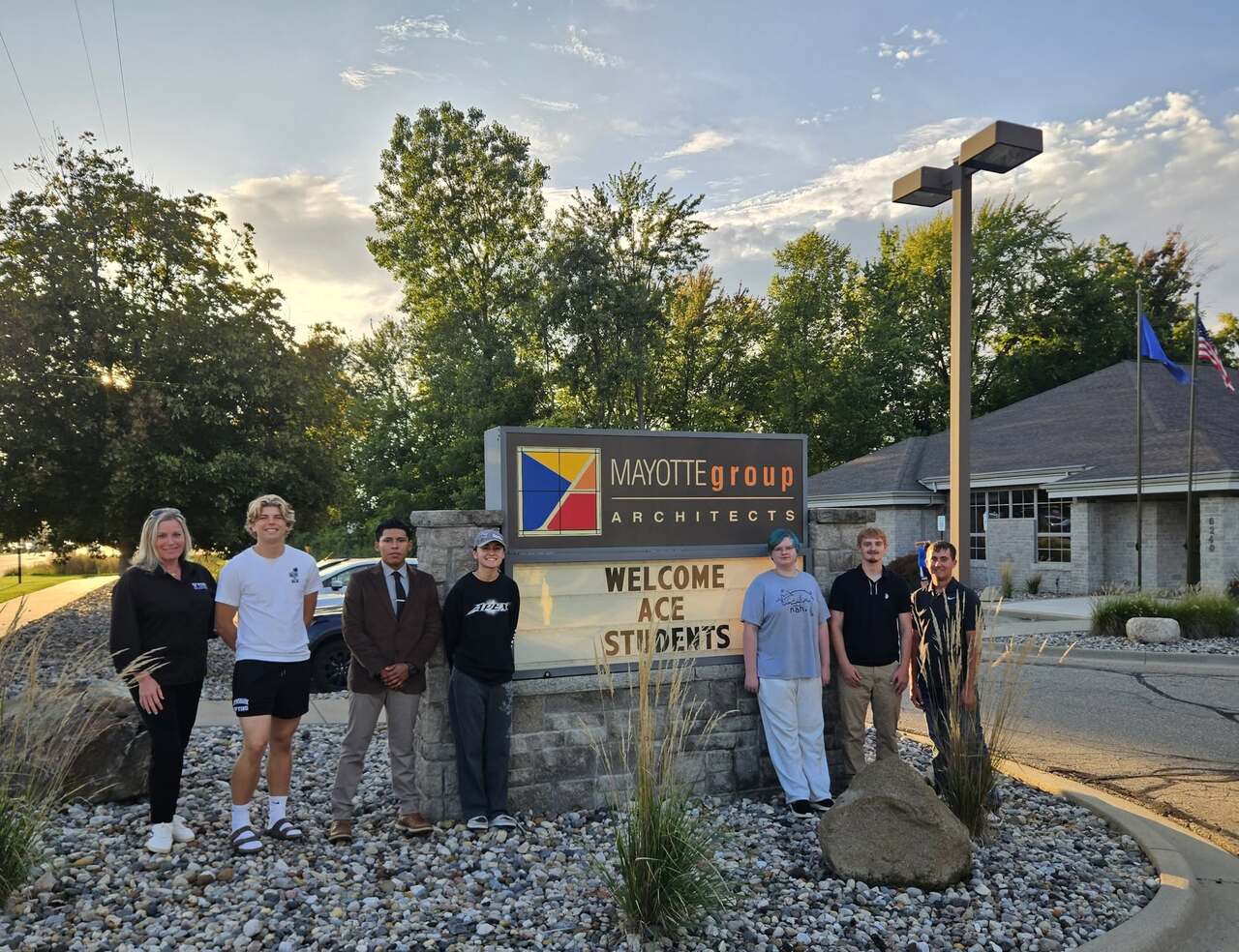
Seven Wilson Talent Center students are taking their engineering and construction skills beyond the classroom through the ACE Mentor Program at Mayotte Group Architects. Over 15 weeks, they’ll explore careers across the building industry while tackling a real-world design challenge: creating a brand-new elementary school.


