
In an effort to build safer school communities, Michigan is launching Behavioral Threat Assessment Management (BTAM) Teams across the state. These specialized teams bring together educators, mental health professionals, and law enforcement partners to recognize warning signs, provide early intervention, and reduce the risk of violence before it happens.
Locally, Ingham ISD’s Director of Mental Health & Wellness, Noelle Duvall, recently sat down with Fox 47 News to share the importance of this initiative. “The goal is prevention,” Duvall explained. “By collaborating across disciplines, we can better support students in crisis and address challenges before they escalate.”
The BTAM approach focuses on care and connection as much as safety. Teams look beyond discipline, offering support and resources to students who may be struggling socially, emotionally, or behaviorally. This proactive model is part of Michigan’s broader commitment to creating environments where all students can feel secure, connected, and ready to learn.
For families and community members, this initiative underscores a shared responsibility: noticing when something feels “off” and making sure concerns are communicated to trusted adults. With schools, ISDs, and partners working together, these safety teams represent a new layer of protection for Michigan’s students.
Recent Stories:
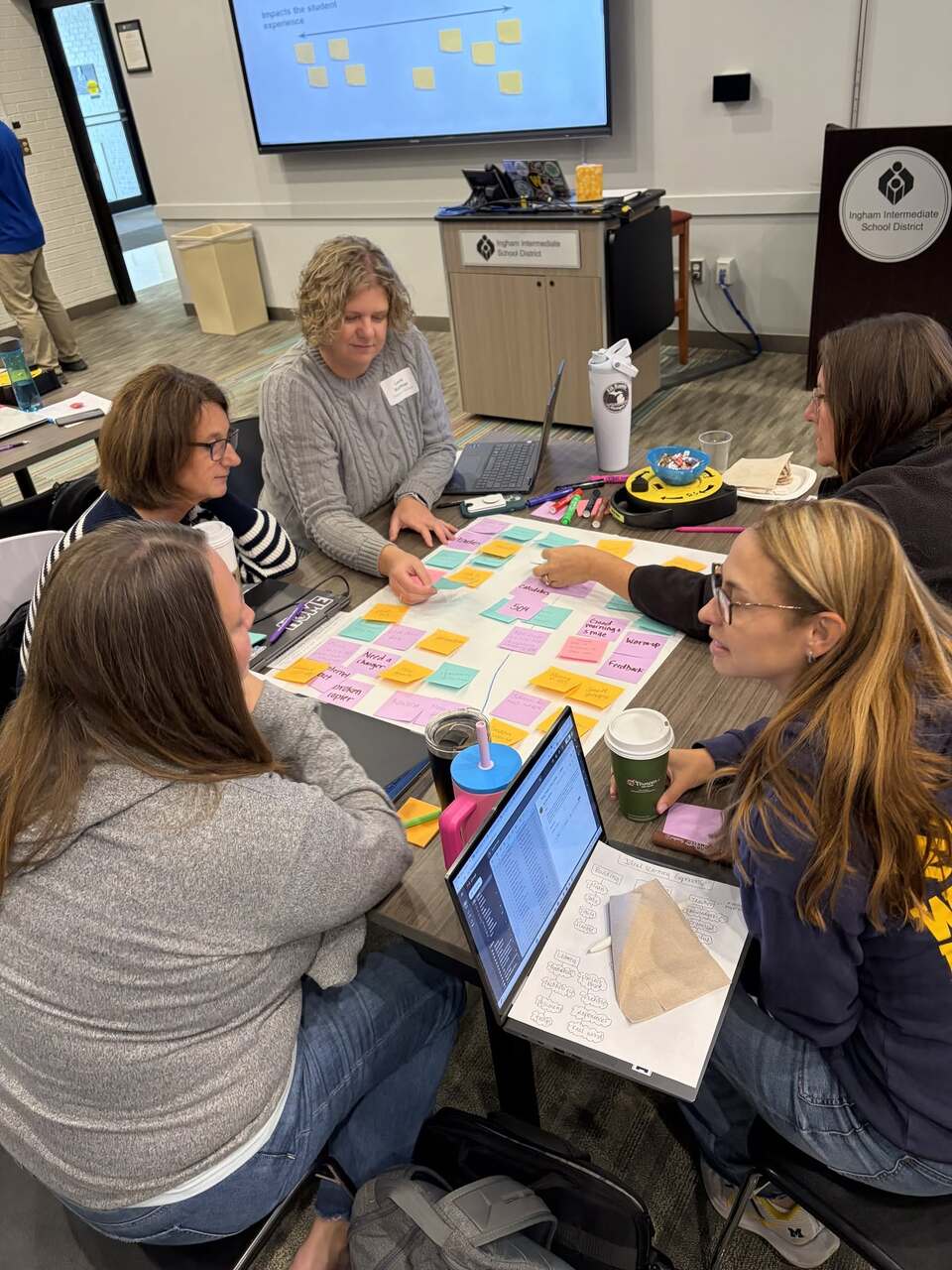
What happens when educators from different schools and communities get in the same room? Ideas travel. Questions get bigger. Practice gets stronger. Recent professional learning opportunities in early childhood literacy and secondary mathematics show how collaboration helps knowledge move across classrooms, schools and communities throughout the Ingham ISD service area.
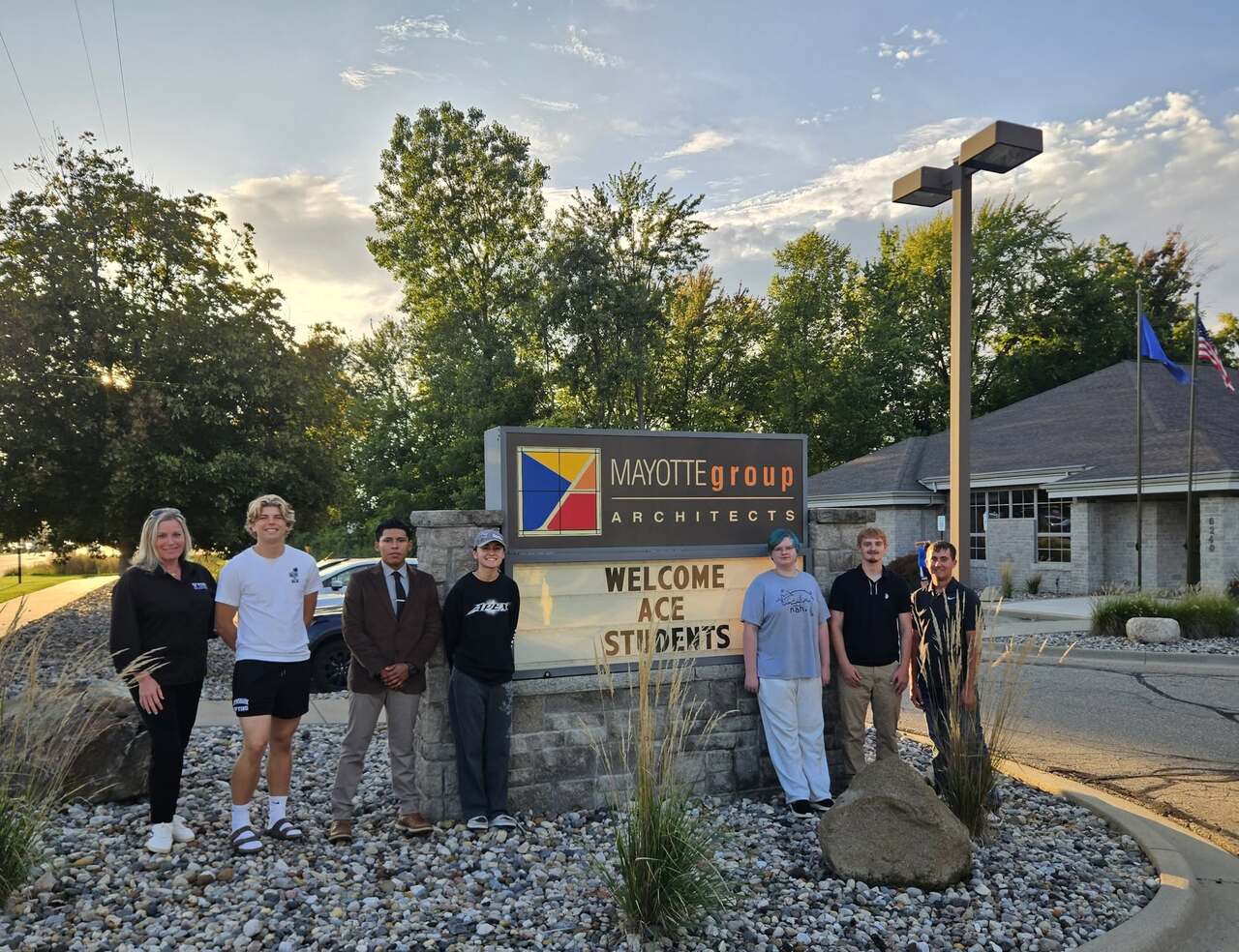
Seven Wilson Talent Center students are taking their engineering and construction skills beyond the classroom through the ACE Mentor Program at Mayotte Group Architects. Over 15 weeks, they’ll explore careers across the building industry while tackling a real-world design challenge: creating a brand-new elementary school.


