
Inside a Heartwood School classroom designed around communication, movement and the individual needs of every student.
Walk into Samantha Mulder’s classroom at Heartwood School, and one thing becomes clear pretty quickly: there isn’t just one way to learn.
Mulder works with middle school-aged students with severe cognitive impairments, and nearly every part of the classroom reflects an understanding that different students need different things to communicate, participate and learn.
“We don’t expect our students’ learning to look the same,” Mulder said. “That’s what’s beautiful about this classroom. We really tailor things to work for each kiddo.”
Communication Comes First
That individualization begins with communication.
Each student has a communication binder that travels between school and home, helping maintain consistent communication with families. Inside the classroom, students also have access to high-tech devices equipped with communication programs, including tools that allow non-verbal students to communicate with staff.
Visual supports are incorporated throughout the room, too. A large core communication board provides another way for students to express themselves, while visual schedules help them understand what is happening throughout the school day. Students can even interact with and change the schedule as activities are completed.
The goal isn’t to make every student communicate the same way. It’s to make sure every student has a way to communicate.
A Classroom Built Around the Student
Look around the rest of the room and that same philosophy continues.
Different seating options accommodate different students. Task bins provide structured learning activities. Large calculators are available for students who may have visual or physical impairments.
There’s also a calming space stocked with fidgets, games and a switch board, giving students additional tools when they need help regulating or engaging.
Rather than asking students to adapt to one standard classroom environment, the environment itself is designed to adapt to them.
Sometimes Learning Means Getting Moving
And learning doesn’t always happen sitting at a desk.
Mulder’s students also use what she calls "the job spot,” where they can load a cart with weighted items and take it for a walk.
Sometimes the destination is the cafeteria. Other times, the students simply make their way through the halls and visit friends.
Either way, the activity gets their bodies moving and gives students another way to engage with their school environment.
It’s one more example of a classroom where differences aren’t treated as obstacles to learning. They’re part of how learning is designed.
From communication devices and visual schedules to flexible seating, sensory supports and movement, Mulder and her team are creating an environment around the students in front of them.
Because learning doesn’t have to look the same to be meaningful.
Want to see more of what learning looks like inside our local schools?
Get more school stories at www.BackPackPress.org.
Recent Stories:
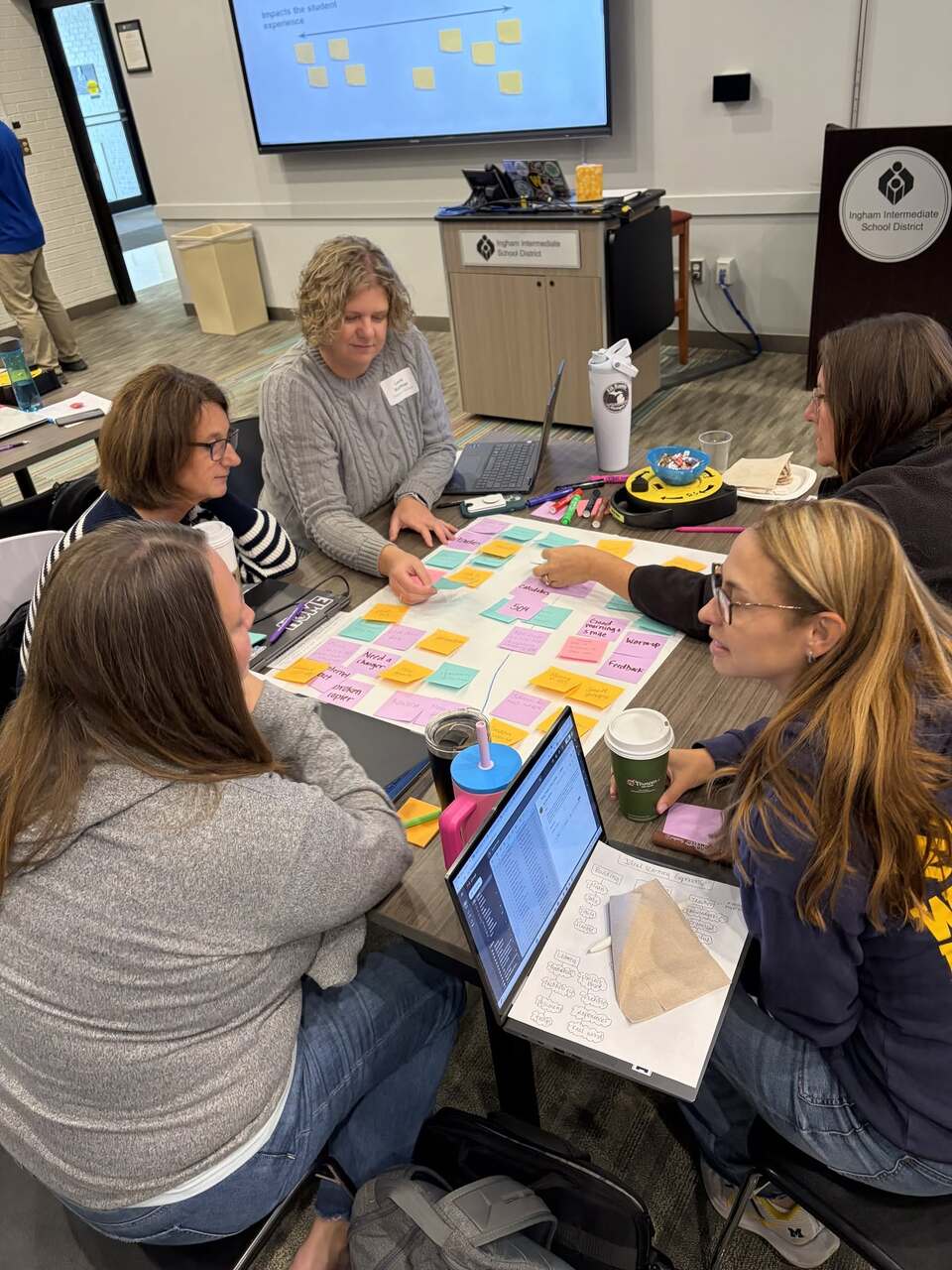
What happens when educators from different schools and communities get in the same room? Ideas travel. Questions get bigger. Practice gets stronger. Recent professional learning opportunities in early childhood literacy and secondary mathematics show how collaboration helps knowledge move across classrooms, schools and communities throughout the Ingham ISD service area.
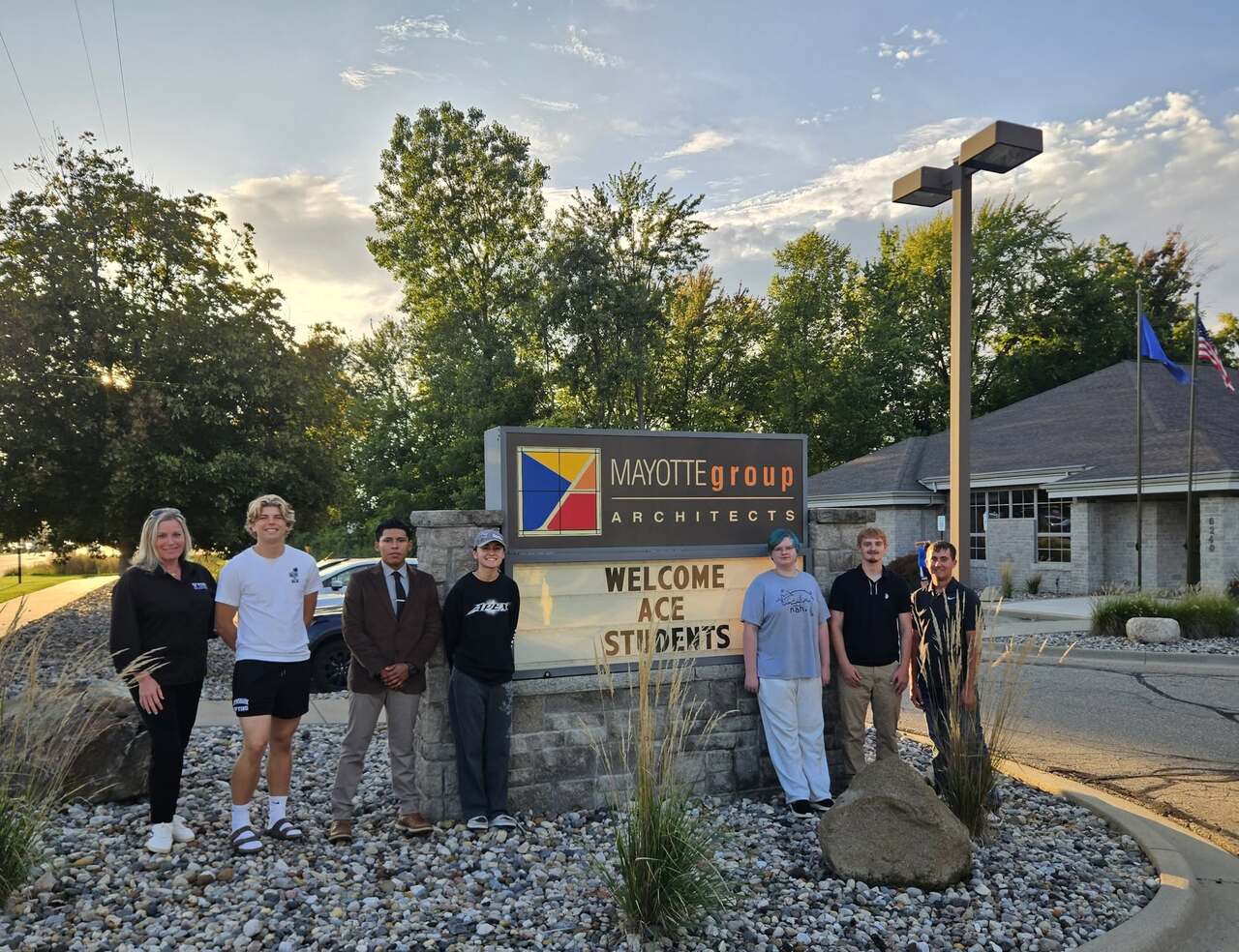
Seven Wilson Talent Center students are taking their engineering and construction skills beyond the classroom through the ACE Mentor Program at Mayotte Group Architects. Over 15 weeks, they’ll explore careers across the building industry while tackling a real-world design challenge: creating a brand-new elementary school.


