

Step inside the BioScience classroom at Wilson Talent Center and you’ll quickly see that learning here is anything but passive.
From beakers and oxidizers to lab safety protocols and collaborative experiments, students are immersed in real-world scientific practices every day. During CTE Month, BioScience students Alya and Azuolas gave a firsthand look at what their classroom experience truly involves.
Dressed in lab coats and protective eyewear, students move beyond textbooks into hands-on investigation. They conduct experiments, analyze data, problem-solve in teams, and apply critical thinking skills that mirror professional laboratory environments. Even class pets become part of the learning experience, helping students explore biology in interactive and meaningful ways.
The BioScience program is designed to prepare students for careers in healthcare, medical research, laboratory science, and other high-demand STEM fields. Along the way, students build technical skills, strengthen communication abilities, and develop the confidence needed to pursue postsecondary education or enter the workforce.
At Wilson Talent Center, Career & Technical Education connects passion with purpose. Programs like BioScience allow students to test-drive future career pathways while gaining valuable certifications and experience.
As Alya put it simply: “That’s why you should do BioScience.”
When students are engaged in authentic, hands-on learning, the future comes into focus.
Recent Stories:
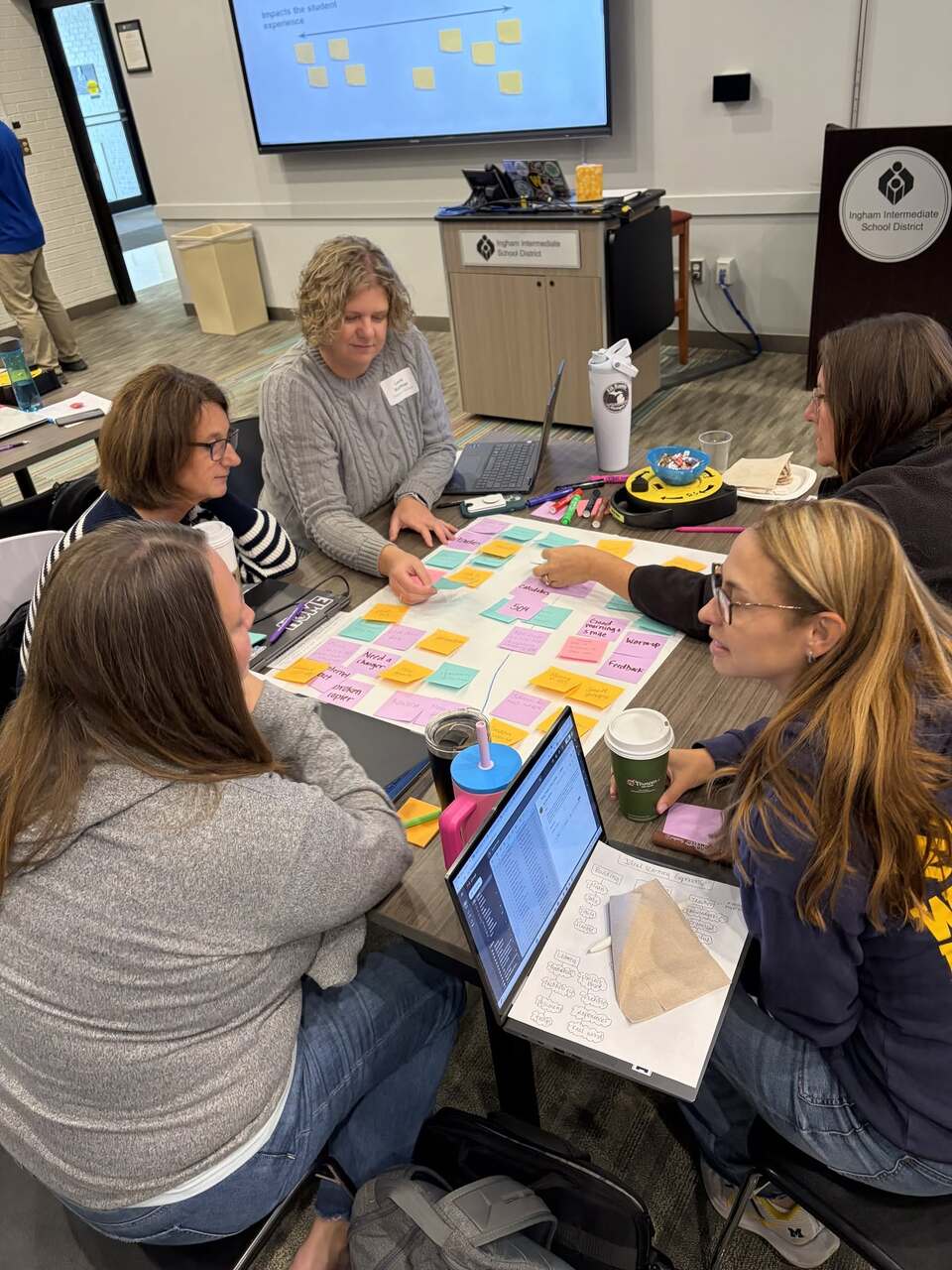
What happens when educators from different schools and communities get in the same room? Ideas travel. Questions get bigger. Practice gets stronger. Recent professional learning opportunities in early childhood literacy and secondary mathematics show how collaboration helps knowledge move across classrooms, schools and communities throughout the Ingham ISD service area.
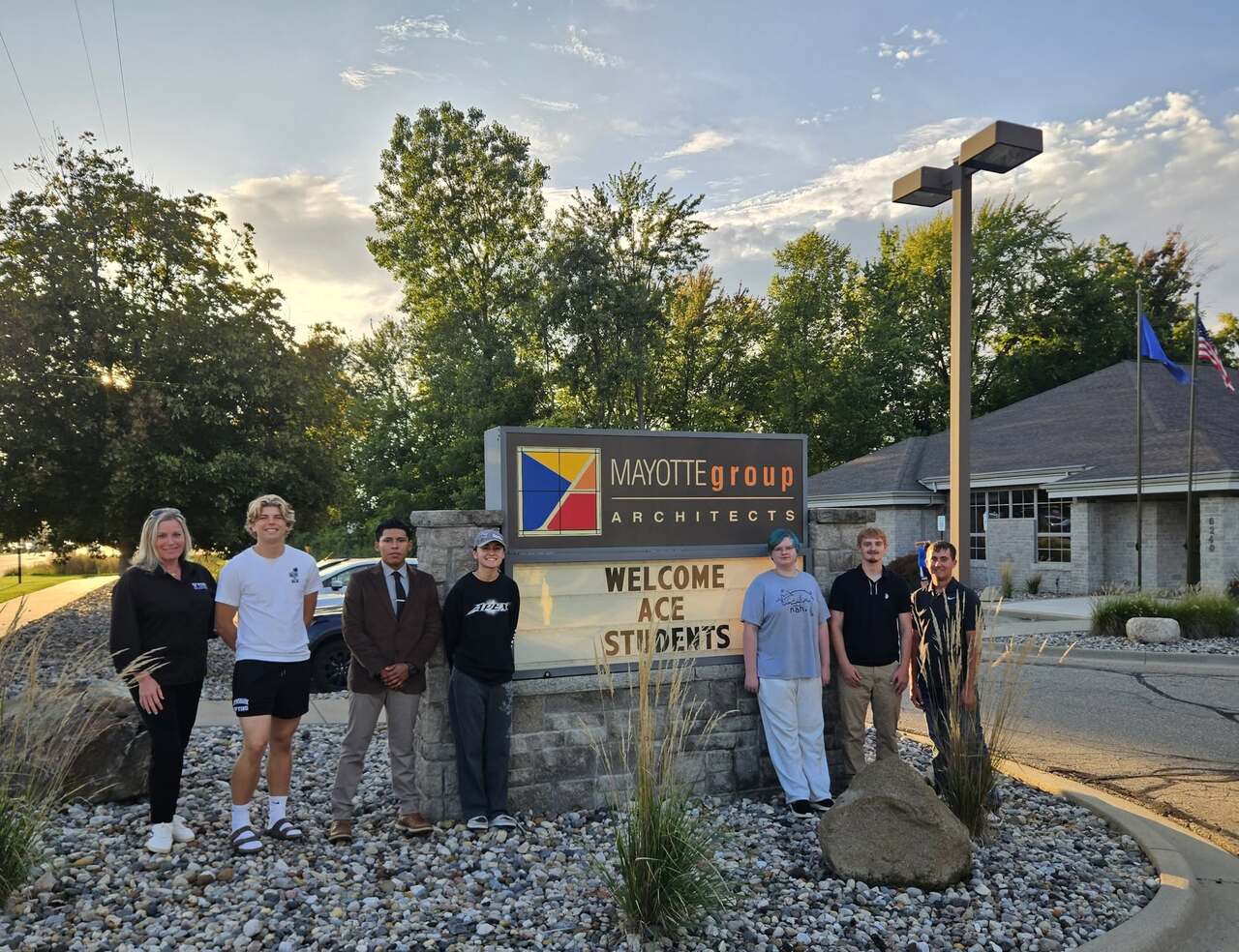
Seven Wilson Talent Center students are taking their engineering and construction skills beyond the classroom through the ACE Mentor Program at Mayotte Group Architects. Over 15 weeks, they’ll explore careers across the building industry while tackling a real-world design challenge: creating a brand-new elementary school.


