

In classrooms across Ingham ISD, innovation is helping students connect, engage, and grow in powerful new ways.
Assistive technology and robotics are transforming learning environments by providing hands-on, accessible experiences that support problem-solving, skill development, and meaningful participation for students with disabilities.
From interactive tools that strengthen communication skills to robotics activities that build critical thinking and coordination, these technologies do more than supplement instruction—they expand access. They create opportunities for students to explore, experiment, and demonstrate their abilities in ways that align with their individual strengths.
Ingham ISD works directly with students and educators to identify, implement, and support assistive technology tools that enhance access to learning. Whether in general education classrooms, specialized programs, or community-based settings, the focus remains the same: ensuring supports are aligned to each student’s unique needs.
Special education services are coordinated through strong partnerships between families, local school districts, and Ingham ISD. Together, these teams collaborate to design learning environments where students can actively participate and build independence.
Because access isn’t just about equipment—it’s about opportunity.
When we combine innovation with collaboration, students gain the confidence, skills, and experiences that prepare them for lifelong learning.
Recent Stories:
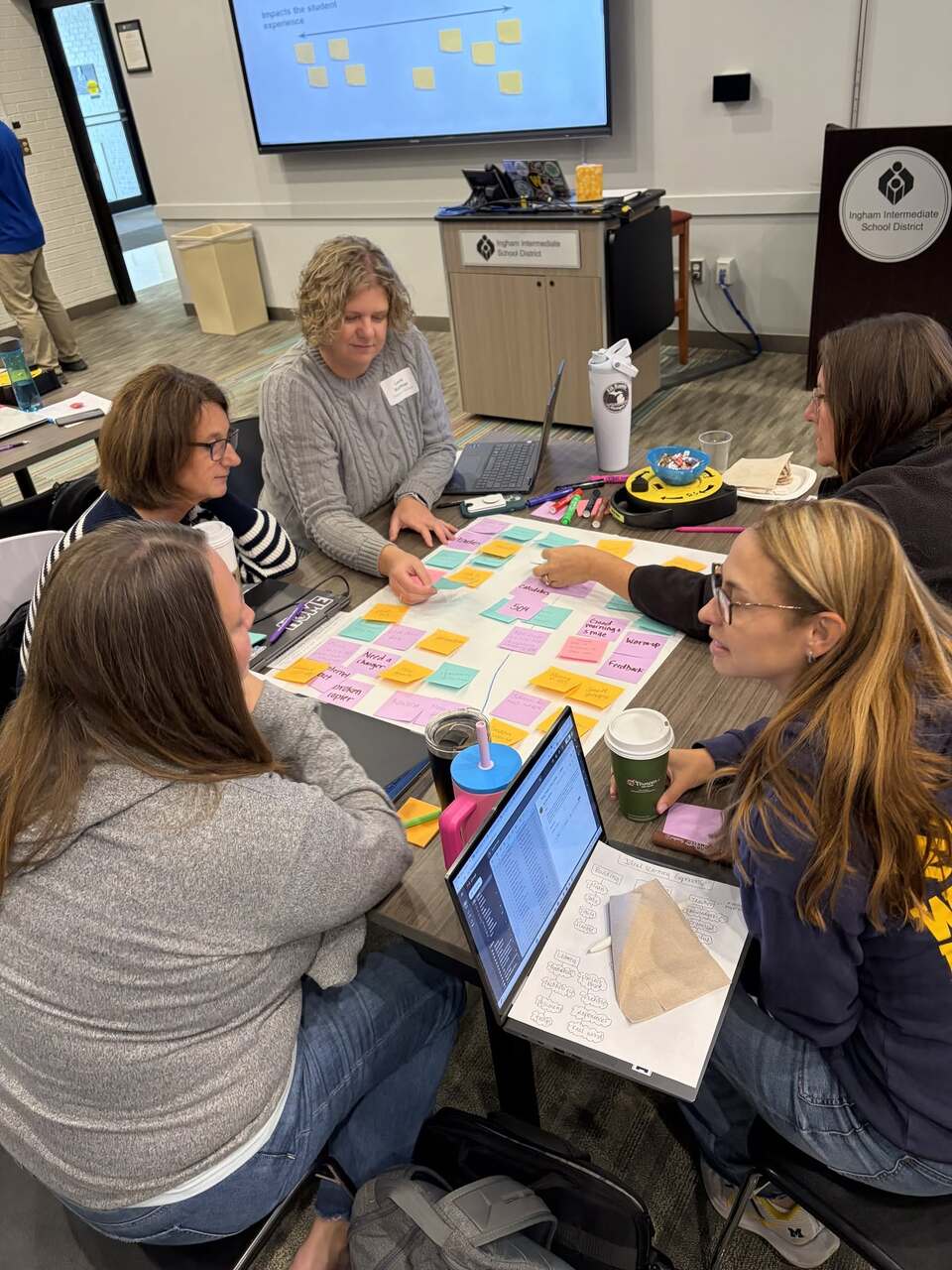
What happens when educators from different schools and communities get in the same room? Ideas travel. Questions get bigger. Practice gets stronger. Recent professional learning opportunities in early childhood literacy and secondary mathematics show how collaboration helps knowledge move across classrooms, schools and communities throughout the Ingham ISD service area.
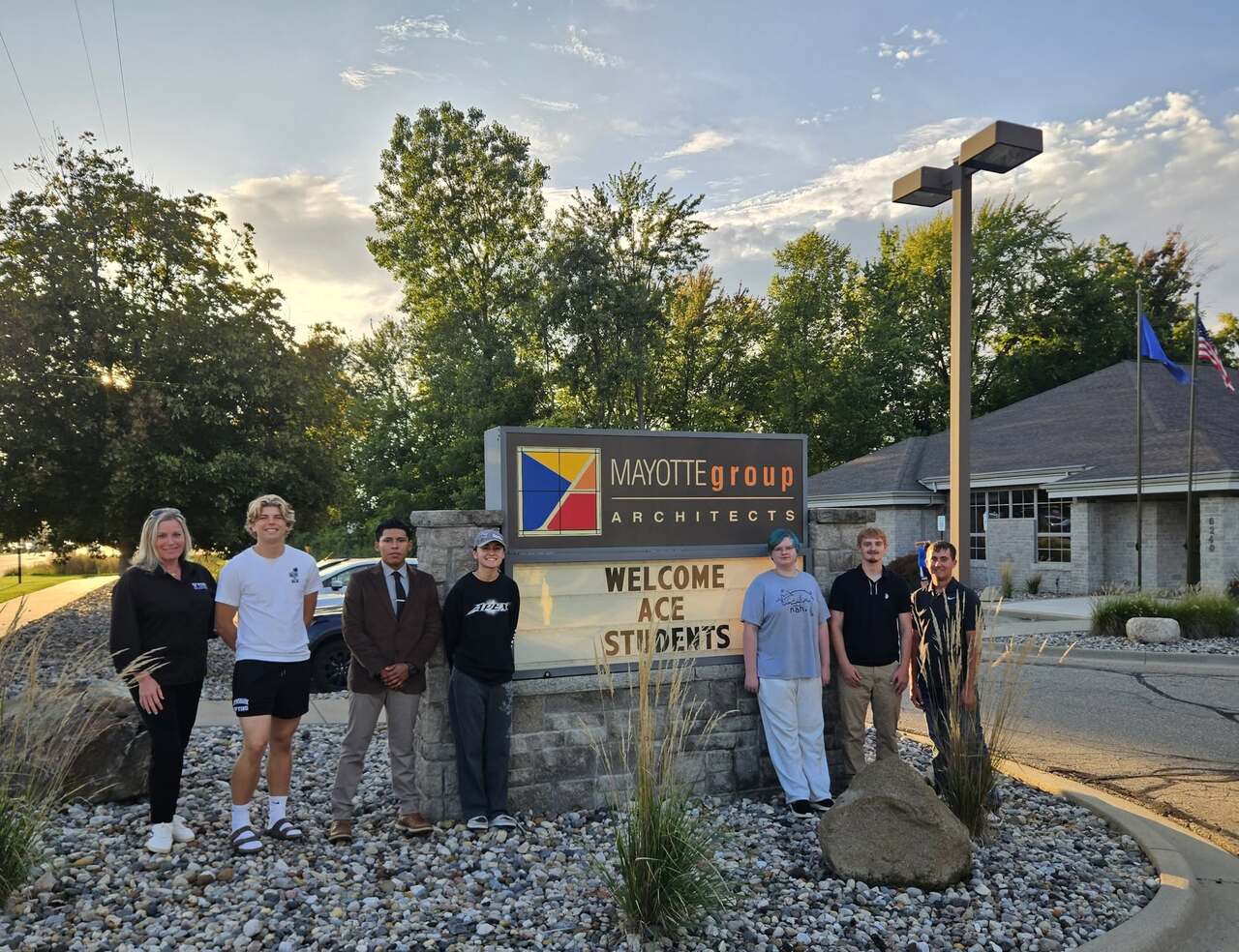
Seven Wilson Talent Center students are taking their engineering and construction skills beyond the classroom through the ACE Mentor Program at Mayotte Group Architects. Over 15 weeks, they’ll explore careers across the building industry while tackling a real-world design challenge: creating a brand-new elementary school.


