

For some students, the future starts with a question:
What if I could build something that changes the world?
This fall, students across Michigan will have the opportunity to explore that question through the Michigan Youth Future Flight Challenge, a free virtual aerospace competition open to students in grades 4–8.
Hosted by the Women of the Aerospace Industry Association of Michigan (WAIAM), the statewide challenge invites teams of two to six students to design a sustainable flight vehicle that solves a real-world problem. Along the way, students gain hands-on experience in engineering, design, finance, marketing, and business planning—all while working alongside aerospace industry mentors from across Michigan.
The four-week program, expected to take place during October and November, is designed to make STEM learning feel collaborative, creative, and relevant.
Participants will have opportunities to:
- Work with aerospace industry mentors
- Explore careers in aviation and aerospace
- Collaborate with teammates to solve real-world challenges
- Present ideas during virtual kickoff and final presentation events
- Compete for prizes valued up to $1,000
- Receive an event t-shirt for participating
Programs like this help students see STEM careers differently—not just as science or math, but as spaces where creativity, problem-solving, teamwork, and big ideas all matter.
And perhaps most importantly?
They remind students that innovation doesn’t start when you’re older.
Sometimes, it starts in middle school—with a really big idea and the courage to try.
Recent Stories:
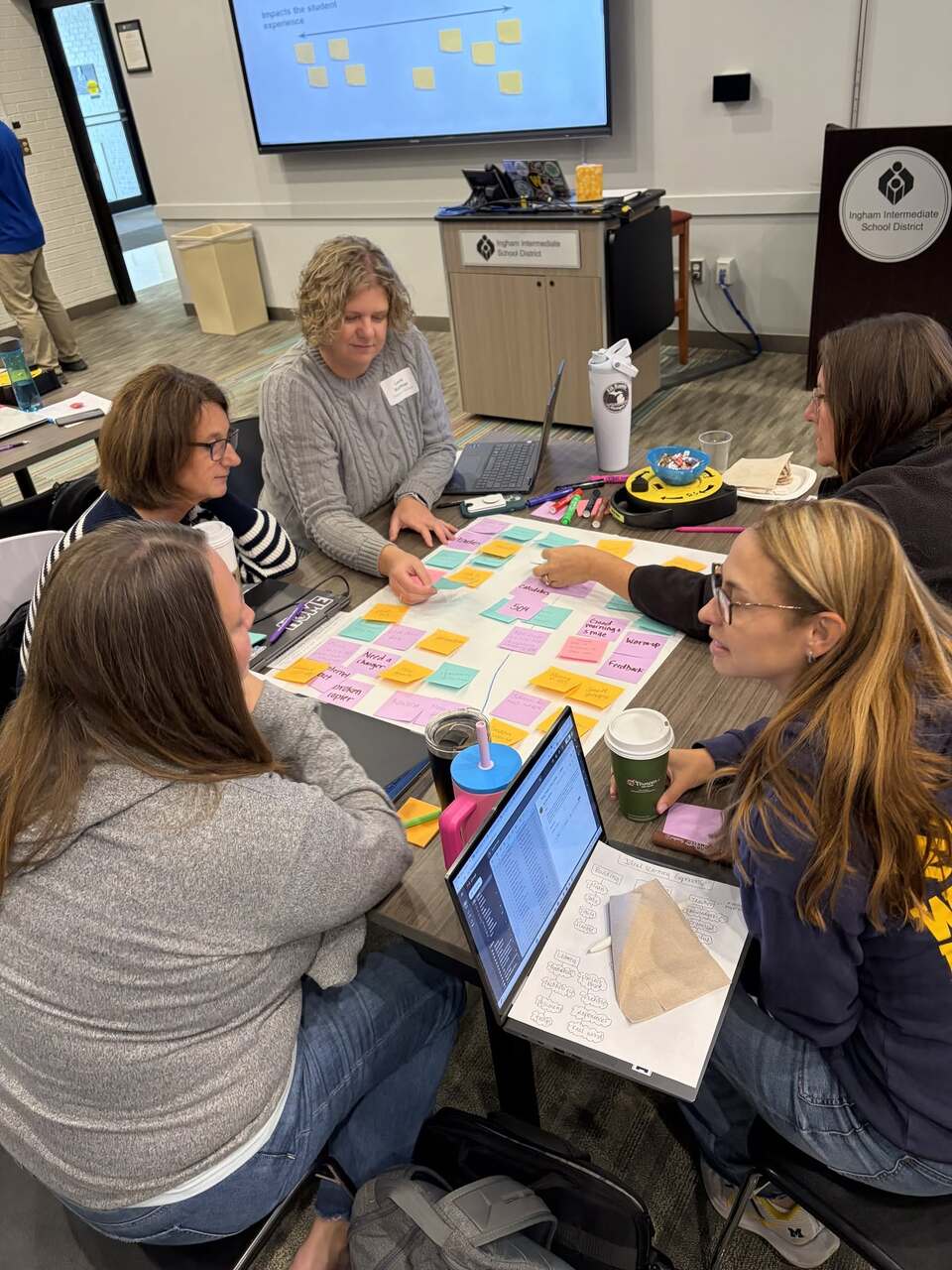
What happens when educators from different schools and communities get in the same room? Ideas travel. Questions get bigger. Practice gets stronger. Recent professional learning opportunities in early childhood literacy and secondary mathematics show how collaboration helps knowledge move across classrooms, schools and communities throughout the Ingham ISD service area.
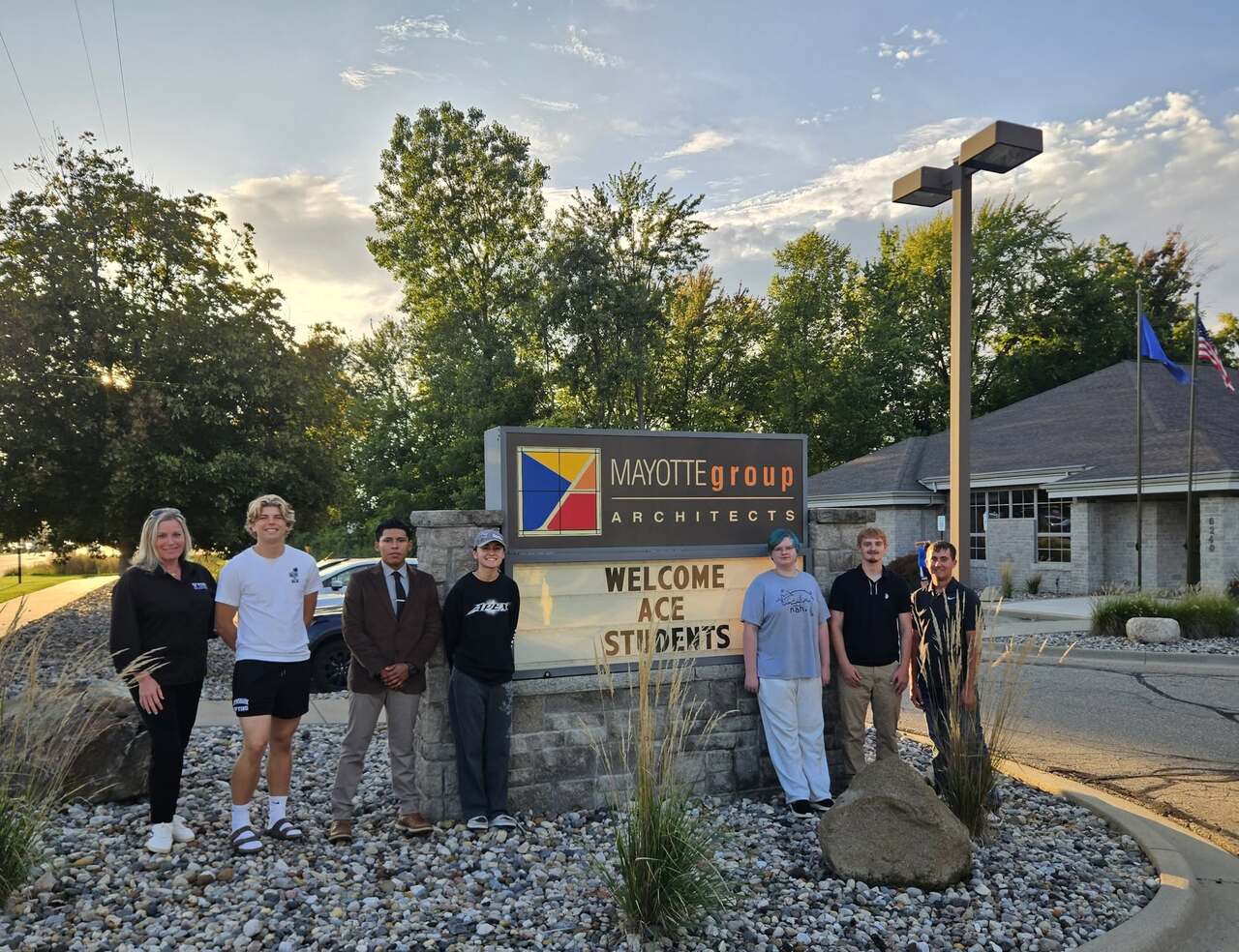
Seven Wilson Talent Center students are taking their engineering and construction skills beyond the classroom through the ACE Mentor Program at Mayotte Group Architects. Over 15 weeks, they’ll explore careers across the building industry while tackling a real-world design challenge: creating a brand-new elementary school.


