
Sometimes, the best reminder of what’s possible is seeing someone who started exactly where you are.
Recently, students in Wilson Talent Center’s BioScience Careers program had two experiences that brought science careers to life in meaningful ways.
First, students completed evaluations for national micro-credentials in laboratory skills through the BioScience Core Skills Institute (BCSI)—an opportunity designed to help students demonstrate hands-on competencies used in real scientific and laboratory settings. The assessments focused on practical lab skills and professional readiness, helping students build confidence and credentials that can support future college and career pathways in science.
Then came a true full-circle moment.
Researchers from Michigan State University visited the BioScience Careers classroom to lead a lesson on plant biotechnology, giving students an opportunity to learn directly from professionals working in the field. Among the presenters was former Wilson Talent Center student Chandler Hendrickson, a 2017 graduate of the program who returned to share expertise and experiences with students now following a similar path.
And honestly?
That part matters.
Because sometimes, students don’t just need information.
They need proof.
Proof that someone from their community, their school, or even their exact classroom can grow into a career they admire.
Wilson Talent Center’s BioScience Careers program introduces students to a wide range of science-based careers, including biotechnology, microbiology, veterinary medicine, forensic science, plant science, food science, aquaculture, environmental science, and more—all through hands-on laboratory experiences and real-world applications.
Experiences like national credentialing, guest researchers, and industry-connected learning help students see science not as something distant or abstract—but as something they can actively participate in.
Because sometimes, the future becomes easier to imagine when someone walks back into the room and says:
“I started here, too.”
Recent Stories:
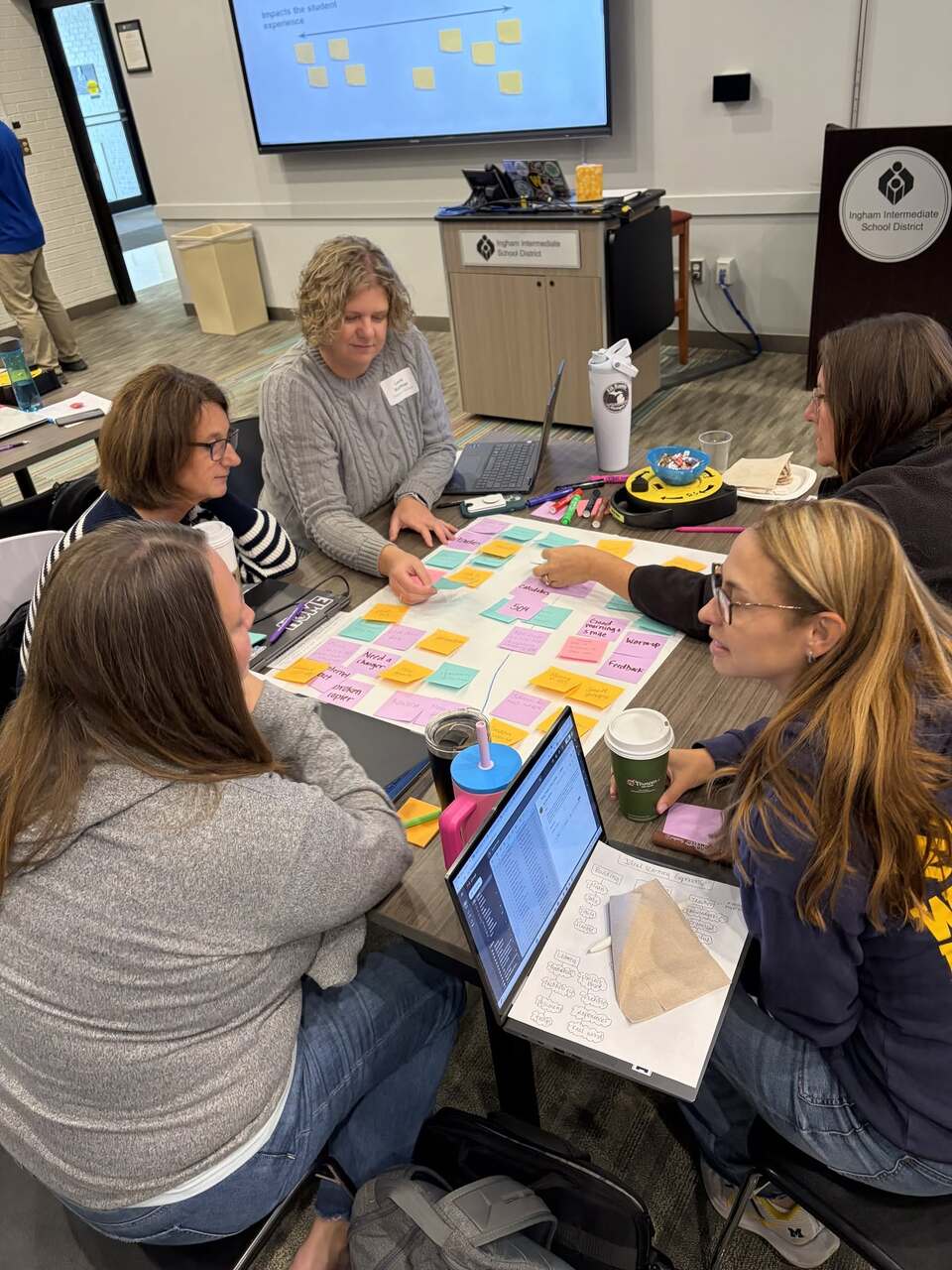
What happens when educators from different schools and communities get in the same room? Ideas travel. Questions get bigger. Practice gets stronger. Recent professional learning opportunities in early childhood literacy and secondary mathematics show how collaboration helps knowledge move across classrooms, schools and communities throughout the Ingham ISD service area.
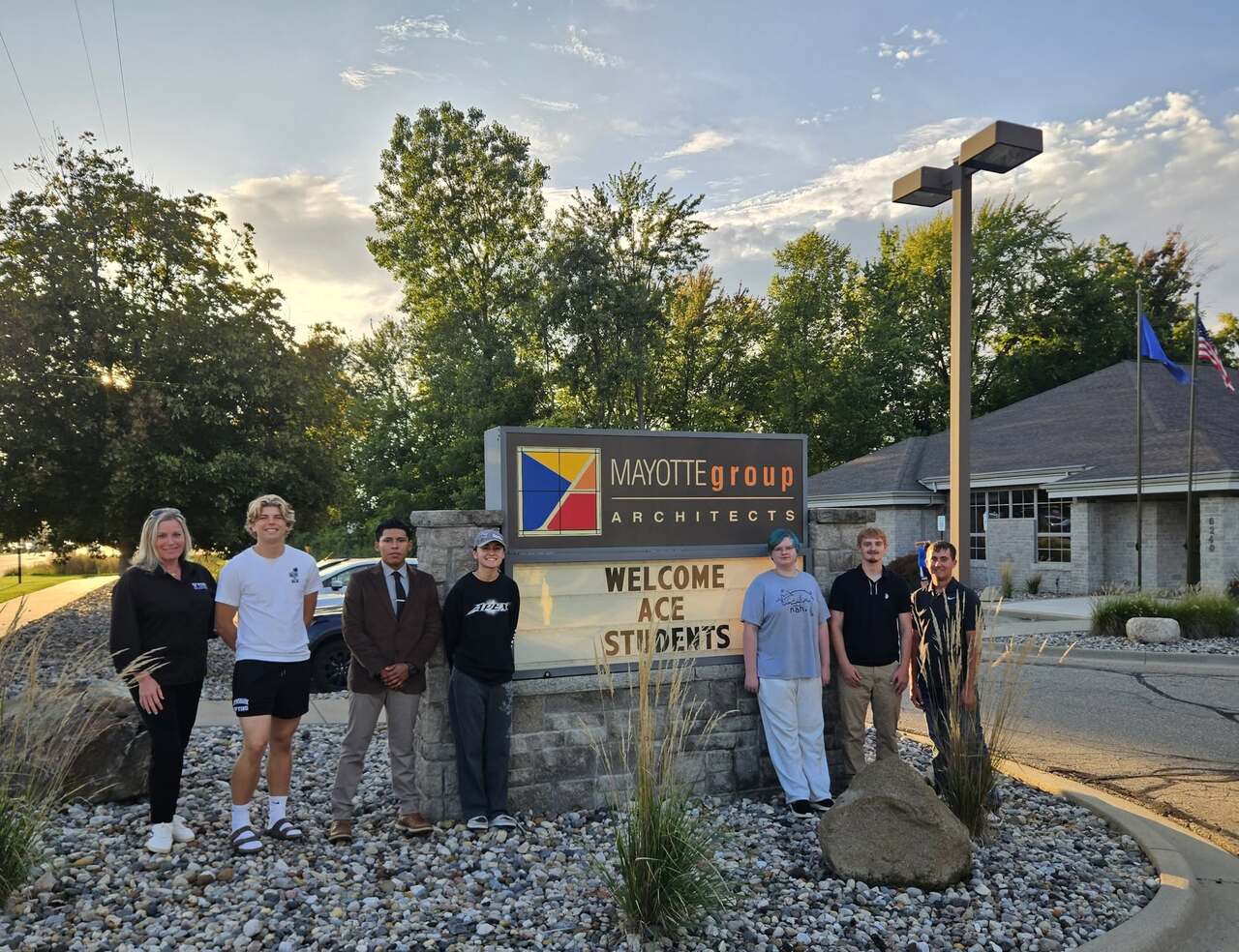
Seven Wilson Talent Center students are taking their engineering and construction skills beyond the classroom through the ACE Mentor Program at Mayotte Group Architects. Over 15 weeks, they’ll explore careers across the building industry while tackling a real-world design challenge: creating a brand-new elementary school.


