
For students in skilled trades programs, learning often looks a little different.
Sometimes, it means competing against top talent from across the state.
Other times?
It means stepping inside facilities where science feels straight out of the future.
Recently, students in Wilson Talent Center’s Welding Technology program experienced both.
Four seniors traveled to Ferris State University to compete in the 26th Annual Ferris State Welding Competition, where student Dylan H. of Leslie High School earned second place in Flux-Cored Arc Welding—an impressive accomplishment that highlights the technical skill and dedication students are developing through career and technical education.
But the learning didn’t stop there.
Later in the week, Welding Technology students joined Wilson Talent Center’s Precision Machining program for a visit to the Facility for Rare Isotope Beams (FRIB) at Michigan State University—a nationally recognized research facility where scientists study rare isotopes to better understand atomic structure, medicine, astrophysics, and the origins of matter. At FRIB, researchers accelerate particles to incredibly high speeds in order to study new and rare forms of atomic nuclei.
During the visit, students received a behind-the-scenes look at the engineering, maintenance, machining, and welding required to keep highly specialized scientific equipment operating.
And that may have been one of the most important lessons of all.
Because while students may not always picture welding or machining inside a high-tech science facility, experiences like this reveal how skilled trades quietly power innovation in nearly every industry imaginable.
From manufacturing and construction to advanced research and medicine, technical skills help make discovery possible.
For Wilson Talent Center students, it was a reminder that the future of welding isn’t just sparks and steel.
Sometimes, it’s helping scientists unlock the mysteries of the universe.
Recent Stories:
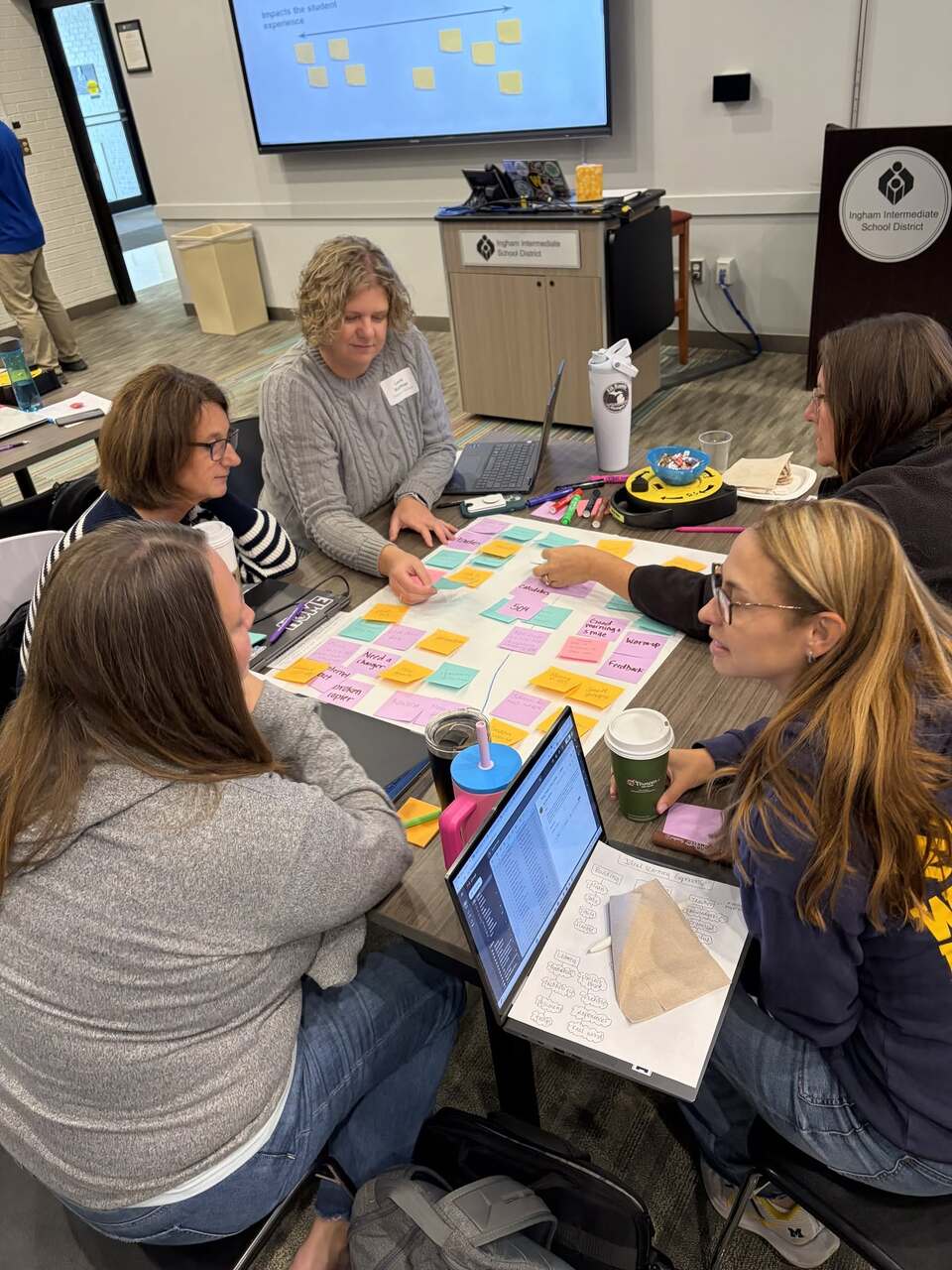
What happens when educators from different schools and communities get in the same room? Ideas travel. Questions get bigger. Practice gets stronger. Recent professional learning opportunities in early childhood literacy and secondary mathematics show how collaboration helps knowledge move across classrooms, schools and communities throughout the Ingham ISD service area.
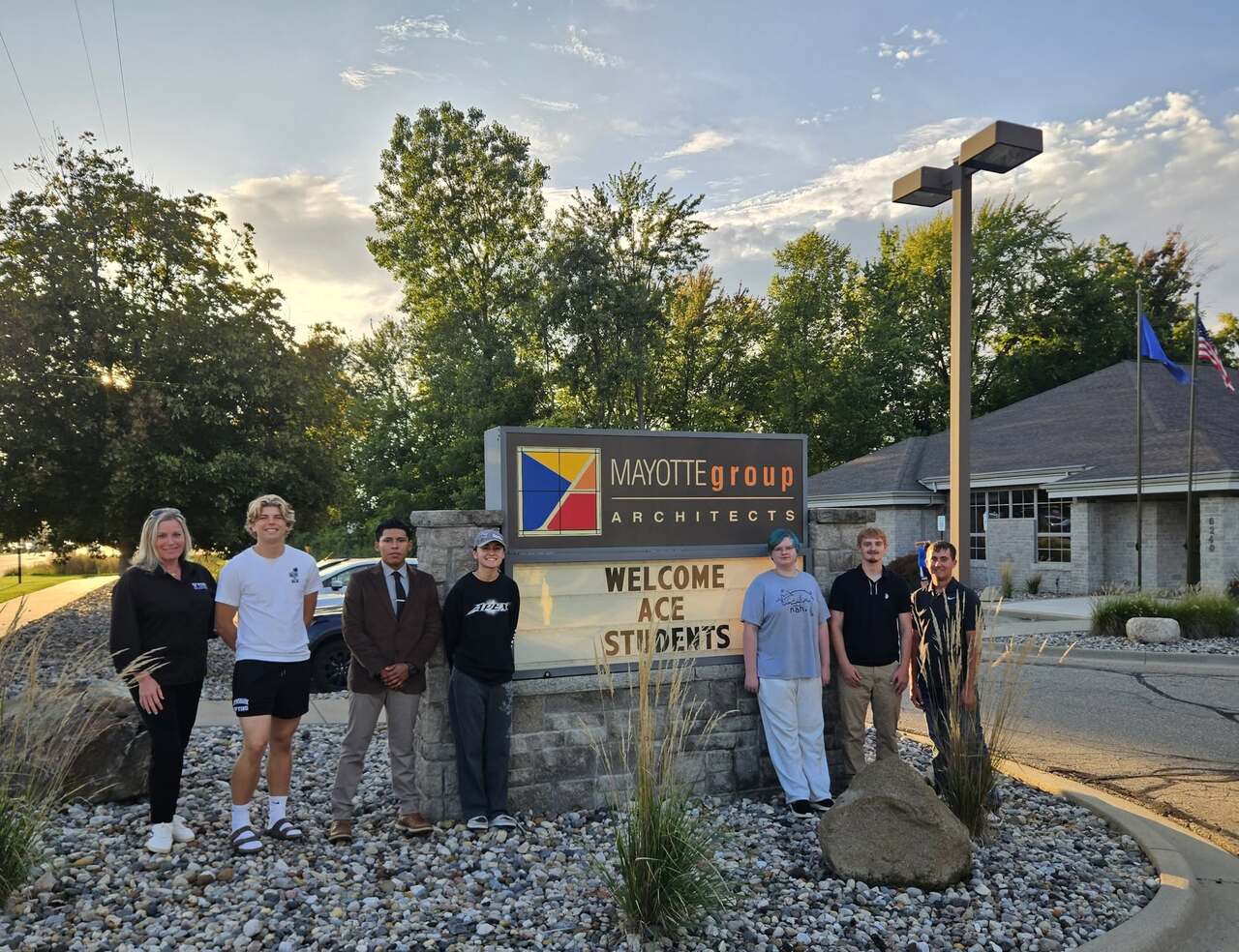
Seven Wilson Talent Center students are taking their engineering and construction skills beyond the classroom through the ACE Mentor Program at Mayotte Group Architects. Over 15 weeks, they’ll explore careers across the building industry while tackling a real-world design challenge: creating a brand-new elementary school.


