

Big opportunities sometimes begin with hard work—and a really strong table setting.
After earning first place in Tabletop Design at the Michigan ProStart Competition, Wilson Talent Center Culinary Arts students Finney and Ruby recently had the opportunity to visit the iconic Grand Hotel on Mackinac Island, turning a competition win into an unforgettable career-connected experience.
During their visit, the students explored the world of hospitality from the inside out.
They toured multiple prom set-ups and event spaces, explored hotel facilities, and got a behind-the-scenes look at what it takes to create memorable guest experiences at one of Michigan’s most well-known destinations. They even had the opportunity to help set up a cold lunch buffet—getting hands-on experience in the details that make hospitality feel seamless for guests.
But perhaps the most meaningful takeaway wasn’t just what they saw.
It was how the experience made them feel.
According to Wilson Talent Center staff, both students left inspired—excited about future possibilities and motivated to carry forward the same level of care and hospitality they experienced themselves.
Career and technical education programs like those at Wilson Talent Center help students connect classroom learning to real-world industries, allowing them to build technical skills, confidence, and professional networks long before graduation.
And sometimes, experiences like these do something even more powerful:
They help students picture themselves in places they may have only imagined before.
Because when students are given opportunities to see success up close, the future starts feeling a whole lot more possible.
Recent Stories:
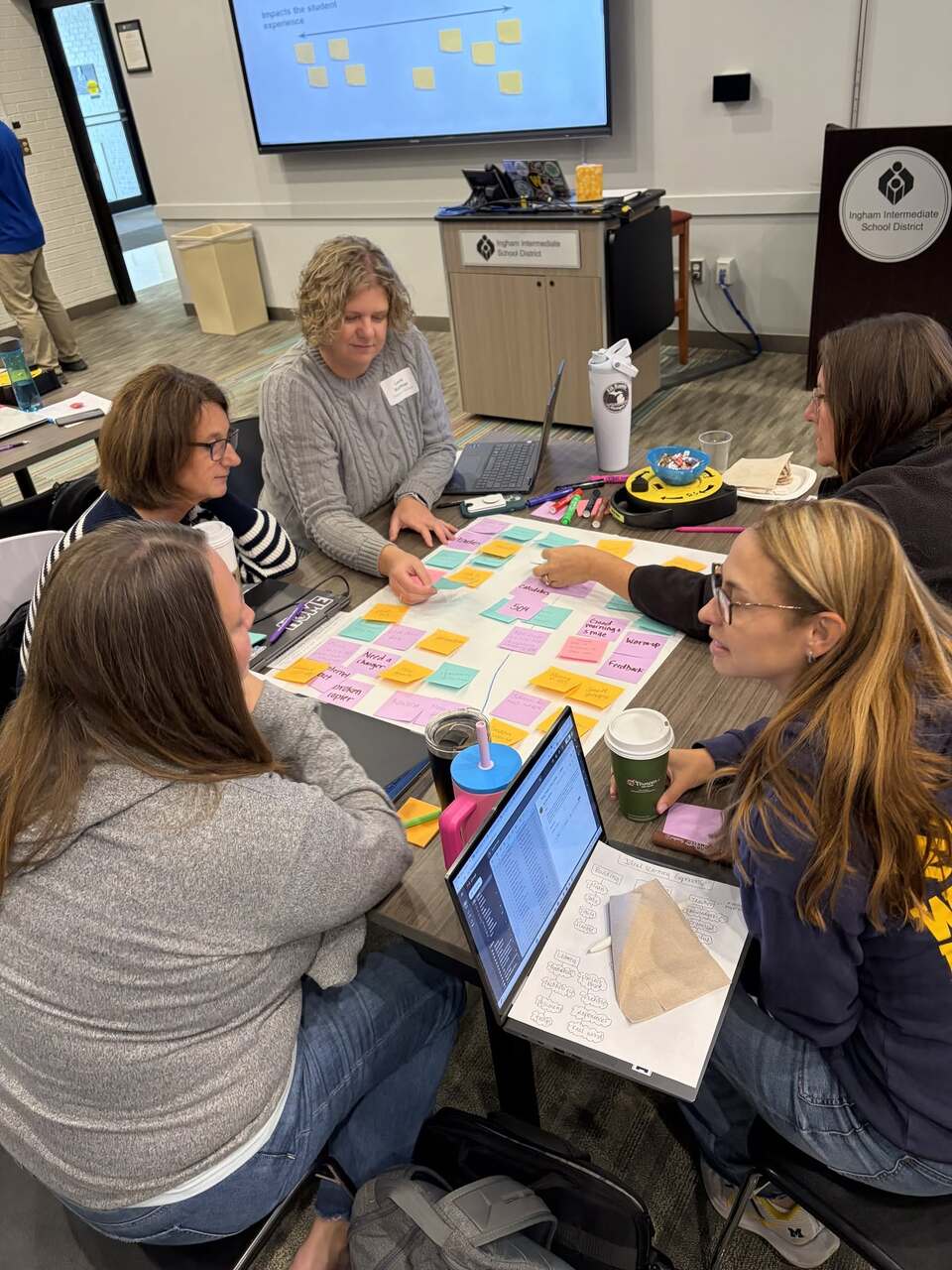
What happens when educators from different schools and communities get in the same room? Ideas travel. Questions get bigger. Practice gets stronger. Recent professional learning opportunities in early childhood literacy and secondary mathematics show how collaboration helps knowledge move across classrooms, schools and communities throughout the Ingham ISD service area.
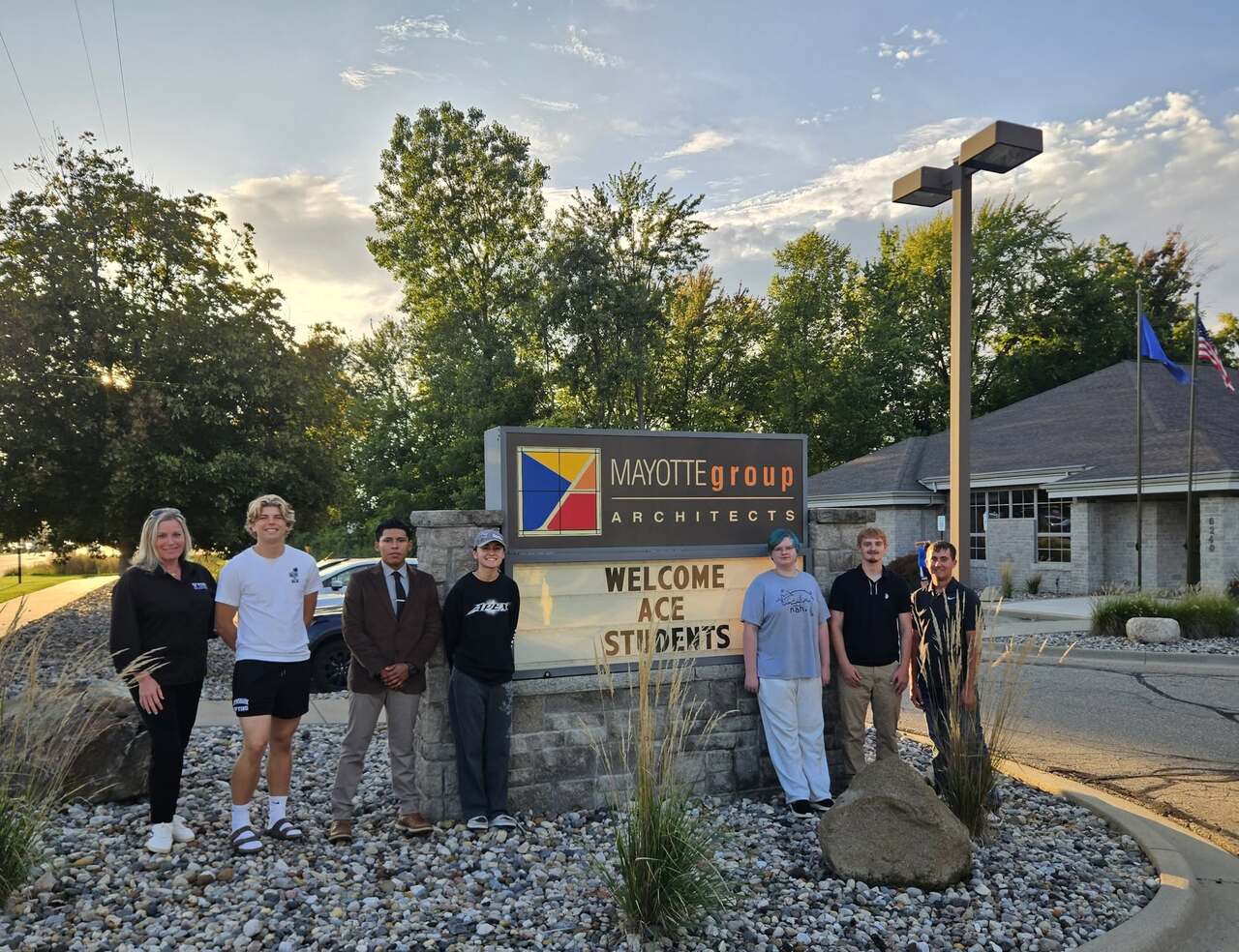
Seven Wilson Talent Center students are taking their engineering and construction skills beyond the classroom through the ACE Mentor Program at Mayotte Group Architects. Over 15 weeks, they’ll explore careers across the building industry while tackling a real-world design challenge: creating a brand-new elementary school.


