

There are plenty of ways to measure progress in a classroom.
Sometimes, it looks like a new skill mastered or a goal checked off a list. Other times, it looks like a child talking more, interacting with classmates or practically skipping through the school doors in the morning.
For families participating in Ingham ISD’s Autism Spectrum Disorder (ASD) programming at Stockbridge Community Schools, those everyday moments can mean everything.
The program is designed around a simple but important understanding: every student’s experience is different. The supports that help one child learn, communicate or participate may look completely different from those another child needs.
That’s why the work begins with the individual student.
In the classroom, educators help students develop communication, social, academic and independent living skills while providing the structure and tools each student needs to participate successfully in the school day. At the same time, students have opportunities to spend time with their general education peers, including participating in preschool classes and other parts of the school community.
That inclusion matters.
For one father, seeing his son genuinely excited about school has been one of the most meaningful signs that they have found the right environment.
His son loves being there. He gets opportunities to interact with other children, and his family has watched more of his personality emerge as he has become comfortable and successful in the program.
The experience has also given his family something that can be difficult to find when navigating services for a child with autism: reassurance that the people surrounding their child know him, care about him and want him to succeed.
For another parent, Ashley Hill, the changes have offered something equally powerful: hope.
Since her daughter joined the program, Hill has watched her communicate more, become happier at drop-off and make significant progress in only a matter of months.
Those changes extend beyond the classroom.
Skills practiced at school can help students communicate what they need, navigate routines, interact with others and participate more independently in everyday life. For families, even seemingly small gains can make a meaningful difference.
And educators know that timing matters.
Early support gives young students more time to build the tools they will use as they grow. ASD program teacher Shelly Hayes emphasizes that the earlier educators can identify and provide those supports, the more opportunity students have to practice and strengthen skills that can make daily life easier.
The goal, however, isn’t to keep students dependent on a particular classroom or program.
It’s the opposite.
Educators want students to build the skills and confidence they need to participate as independently as possible in their schools and communities. For some students, that can eventually mean spending more time within general education settings as they become ready.
Because the program isn’t about defining what a student can or cannot do.
It’s about making sure they have the tools and support to show what they can do.
Teachers see those possibilities every day—in students engaging with classmates, trying new things, communicating in new ways and succeeding on their own terms.
Parents see them, too.
They see a child who is talking more.
A child who is connecting with other kids.
A child who is happier.
A child who once needed significant support becoming increasingly comfortable navigating the world around them.
And sometimes, they see it in the simplest moment of all:
A child who cannot wait to get to school.
For the families and educators involved in Ingham ISD’s ASD programming, those moments are more than milestones. They are reminders of what can happen when students are understood as individuals, given the tools they need and provided a place where they have the opportunity to grow.
Recent Stories:
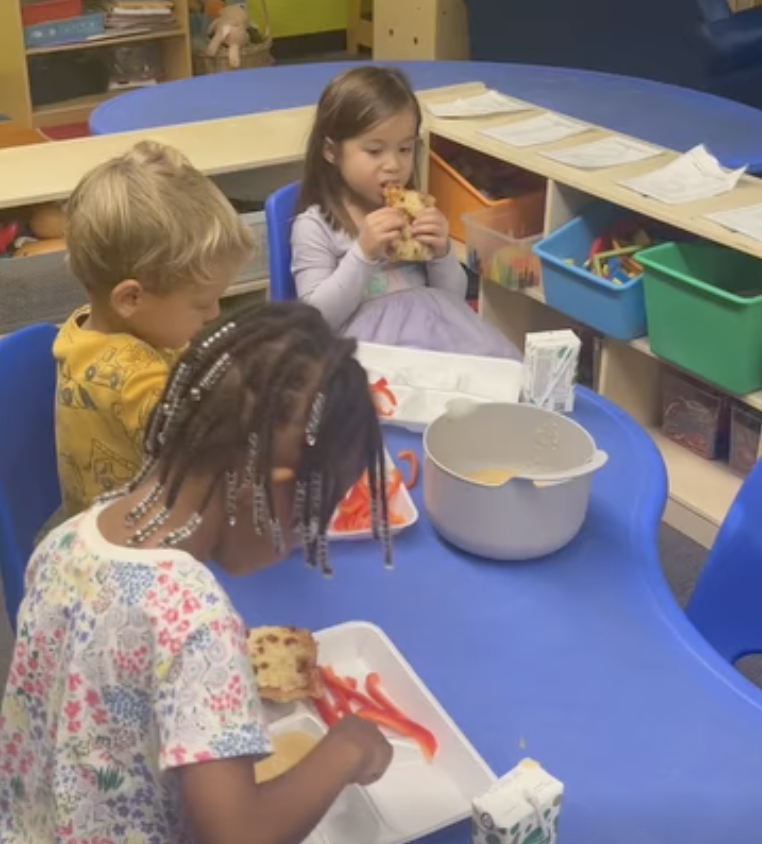
Preschool helps young learners build confidence, independence and healthy habits through everyday experiences. From family-style meals to opportunities for social interaction, students practice important life skills in a caring environment.
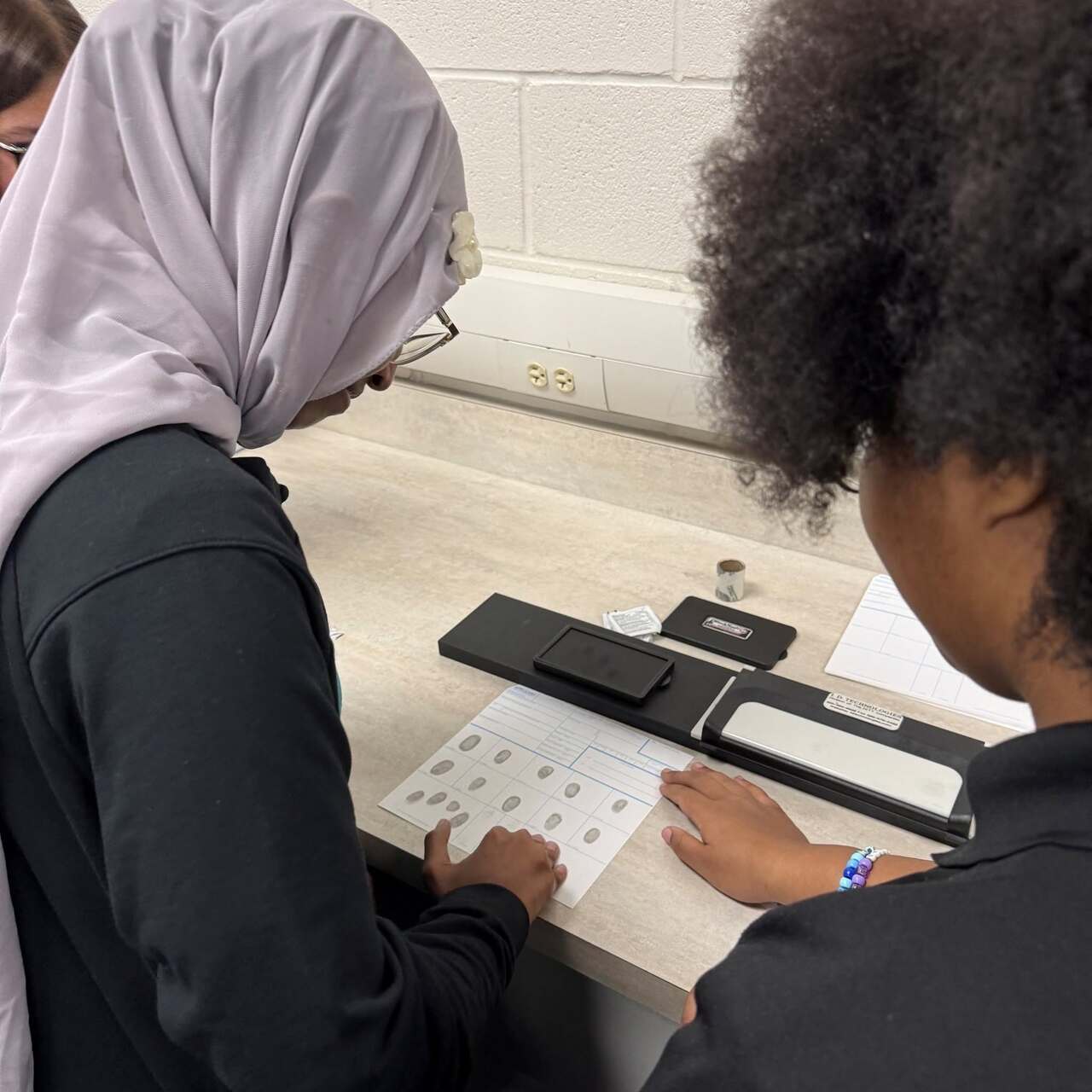
Wilson Talent Center Health Foundations and Investigations students teamed up for a hands-on lesson exploring the science behind fingerprints. By combining their knowledge of skin anatomy with investigative techniques, students discovered how two different career fields can intersect through observation, analysis and collaboration.


