

What do you want to be when you grow up?
For many middle school students, the answer changes weekly.
And honestly? That’s okay.
Recently, eighth-grade students from Mason Middle School and Dansville Middle School had the opportunity to visit Wilson Talent Center (WTC) and begin exploring what future possibilities might look like—through hands-on experiences, program tours, and conversations about careers they may have never considered before.
During their visits, students explored a wide variety of career pathways, including areas like culinary arts and hospitality, welding, technology, sports medicine and rehabilitation, cosmetology, automotive, skilled trades, and more. From classroom demonstrations to interactive experiences, students were able to see firsthand how learning can connect directly to future careers.
At Wilson Talent Center, high school students participate in career and technical education (CTE) programs designed to blend classroom learning with real-world application, helping students build practical skills, industry knowledge, and confidence before graduation. Programs span industries including healthcare, law enforcement, digital technology, culinary arts, skilled trades, bioscience, education, and beyond.
For middle school students, experiences like these matter.
Career exploration isn’t about having life figured out at age 13 or 14.
It’s about exposure.
It’s about helping students connect interests to possibilities, ask new questions, and realize there are many different ways to build a meaningful future.
Because sometimes, finding your path starts with simply stepping into a room and thinking:
“Wait… this is actually really cool.”
Recent Stories:
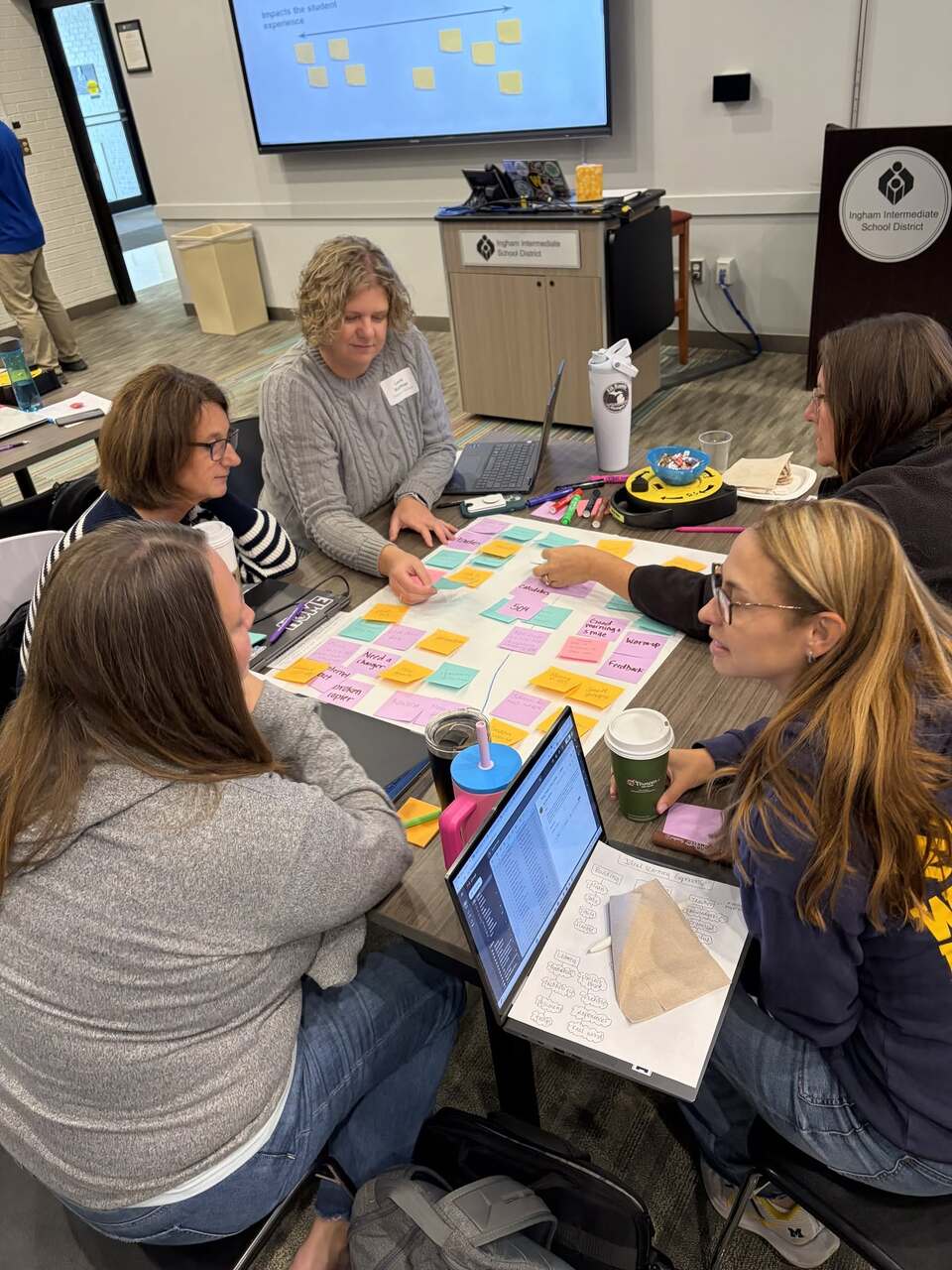
What happens when educators from different schools and communities get in the same room? Ideas travel. Questions get bigger. Practice gets stronger. Recent professional learning opportunities in early childhood literacy and secondary mathematics show how collaboration helps knowledge move across classrooms, schools and communities throughout the Ingham ISD service area.
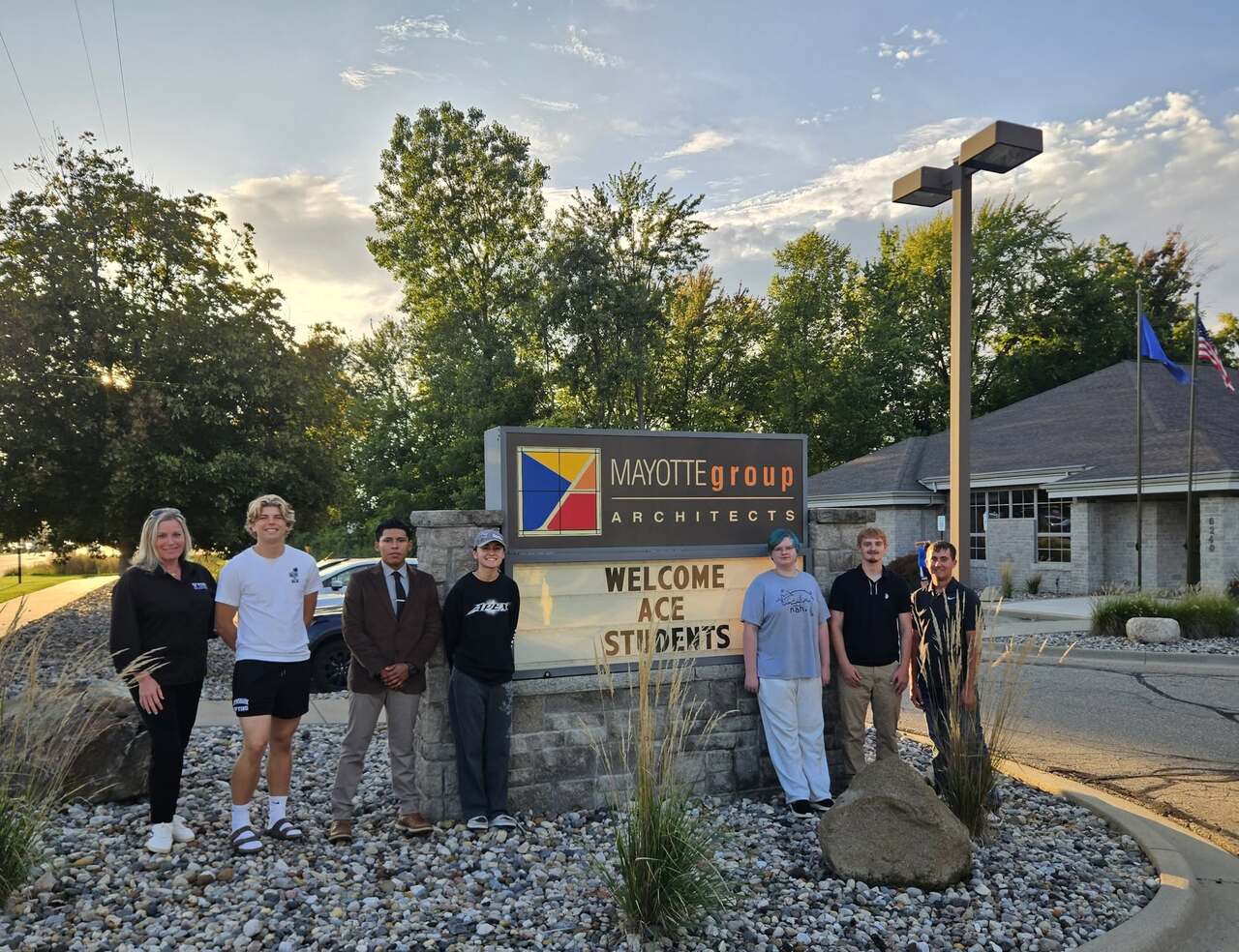
Seven Wilson Talent Center students are taking their engineering and construction skills beyond the classroom through the ACE Mentor Program at Mayotte Group Architects. Over 15 weeks, they’ll explore careers across the building industry while tackling a real-world design challenge: creating a brand-new elementary school.


