
In this episode, host Micki O’Neil talks with Jason Mellema, Superintendent of Ingham ISD, about the history of Intermediate School Districts (ISDs) in Michigan, their changing relationship with the Michigan Department of Education (MDE) and local districts, and what the future holds as schools look for smarter, more efficient ways to serve students and families.
Download the full Transcript
A quick history: county classrooms to coordinated services
1800s–early 1900s: Education was largely delivered in rural, one-room schoolhouses (K–5 or K–8), overseen by county and later township superintendents who supported certification, early curriculum alignment, and professional learning.
Mid-20th century consolidation: As Michigan moved toward comprehensive K–12 systems, thousands of small districts began consolidating.
ISDs established (1962): After a 1956 study, Intermediate School Districts were created in statute to finish consolidation and coordinate regional services for local districts (LEAs).
Shift with MDE staffing: Over time, MDE staffing declined significantly, and many responsibilities flowed back to ISDs, strengthening their role as the local intermediary between state policy and district practice.
What ISDs do today
ISDs provide regional capacity that would be difficult or costly for individual districts to maintain alone, including:
Student services: special education, early childhood, CTE coordination.
Operational supports: technology/IT, HR, business services, data/reporting (e.g., ORS), compliance, and large-scale professional learning.
Innovation support: helping districts pilot, scale, and sustain new practices.
Consolidation then—and now
Michigan once shrank to ~535 school districts by the late 1980s/early 1990s. After Proposal A and the addition of public school academies (charters), the number rose again to 800+.
Today, “consolidation” is often less about closing schools and more about shared services—pooling expertise in payroll, AP, HR, cybersecurity, data systems, and tech infrastructure so districts can focus more time and resources on teaching and learning.
Why ISDs matter for the future
Efficiency at scale: Centralizing high-complexity tasks (finance, HR, IT, compliance) frees district leaders to focus on students.
Talent and continuity: ISDs help small and large districts alike access specialized teams that are hard to build or retain alone.
Consistent quality: Regional coordination supports equity and quality—so opportunities aren’t determined by a district’s size or zip code.
Flexible models: Expect continued growth in fee-for-service options, shared staffing, and regional innovation hubs that accelerate what works across communities.
“If we keep doing this well,” Mellema notes, “ISDs remain the ingredient that makes the recipe sweeter for students and families across our region.”
Learn more
Explore regional services and supports at inghamisd.org, and find more school success stories at BackPackPress.org.
Recent Stories:

What happens when educators from different schools and communities get in the same room? Ideas travel. Questions get bigger. Practice gets stronger. Recent professional learning opportunities in early childhood literacy and secondary mathematics show how collaboration helps knowledge move across classrooms, schools and communities throughout the Ingham ISD service area.
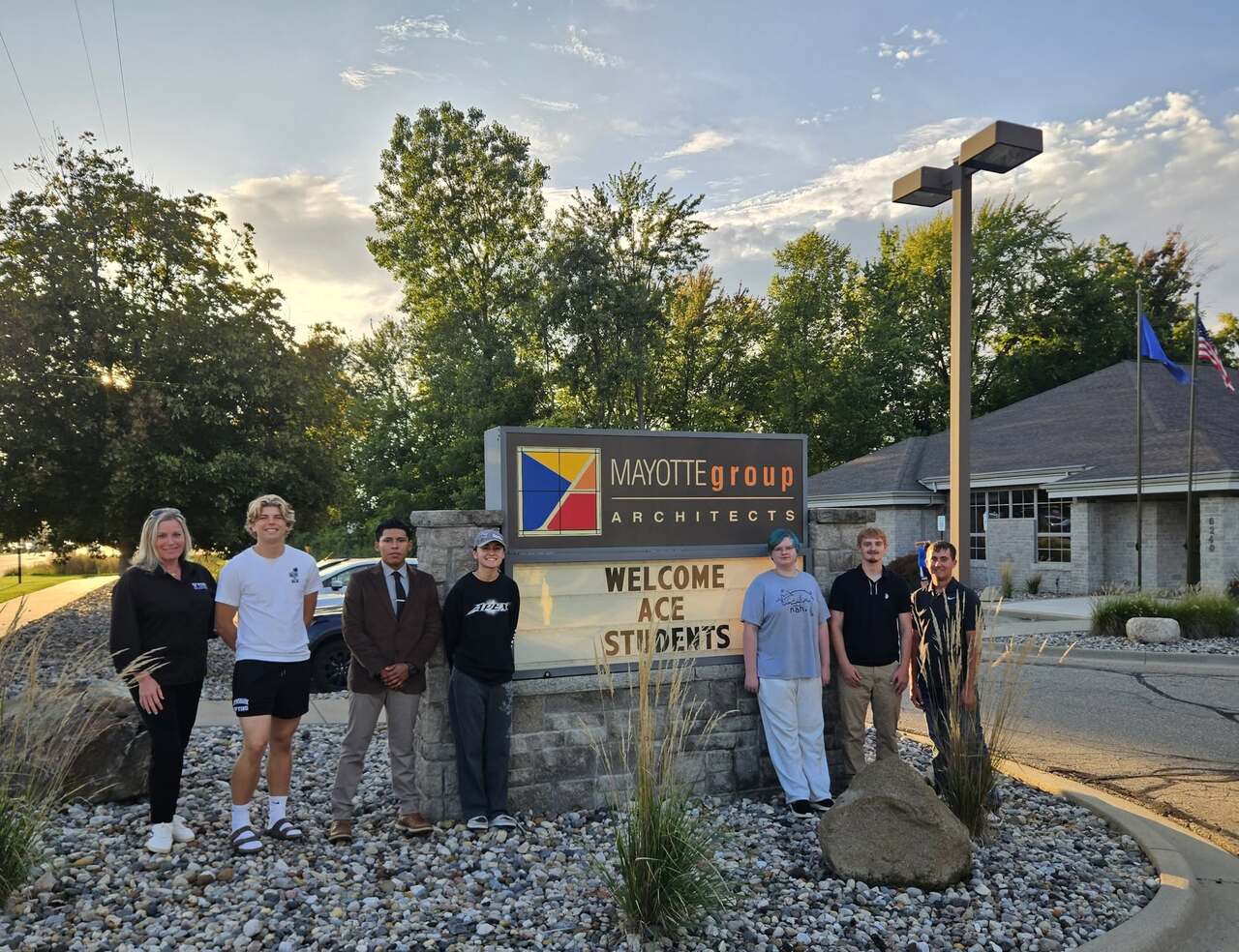
Seven Wilson Talent Center students are taking their engineering and construction skills beyond the classroom through the ACE Mentor Program at Mayotte Group Architects. Over 15 weeks, they’ll explore careers across the building industry while tackling a real-world design challenge: creating a brand-new elementary school.


