
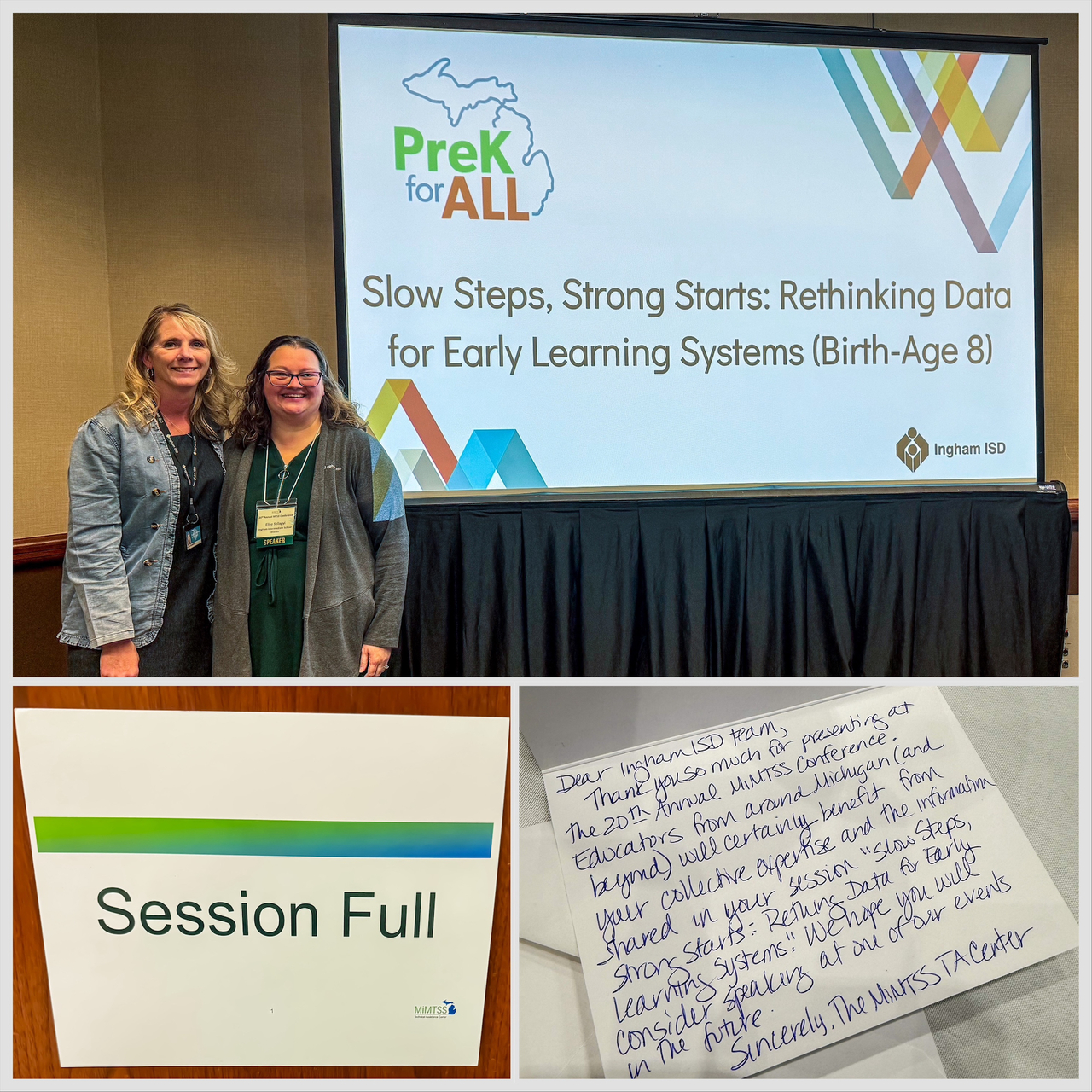
When it comes to giving children the strongest start in school and life, data can do more than measure success—it can shape it.
That was the message delivered by Ingham Intermediate School District’s Early Childhood Specialists, Elisa Szilagyi and Megan Chumbley, during a packed-house presentation at the 20th Annual MiMTSS (Michigan's Multi-Tiered System of Supports) Conference.
Their session, titled “Slow Steps, Strong Starts: Rethinking Data for Early Learning Systems, Birth to Age 8,” prompted powerful conversations about how educators and leaders can use thoughtful, developmentally appropriate data practices to support young children and families. Attendees were guided through real-world strategies for strengthening early learning systems while keeping the whole child—and the family—at the center of decision-making.
The session also reinforced Ingham ISD’s commitment to equity and innovation in early childhood education, and their ongoing leadership in building PreK systems that serve every child—step by step, from the start.
Recent Stories:
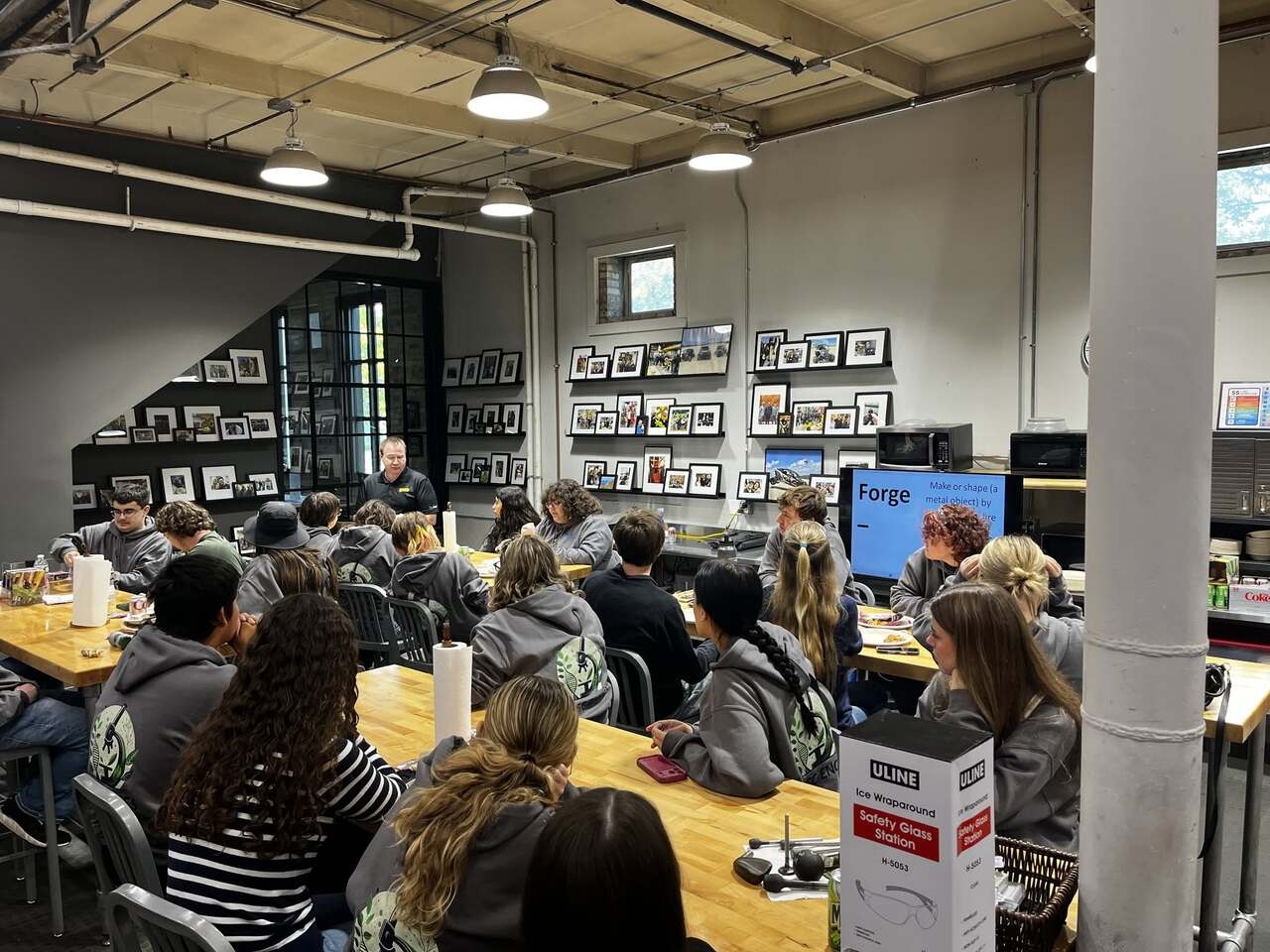
Wilson Talent Center students step inside local manufacturing workplaces to see firsthand how the skills they’re building in the classroom connect to careers right here in their community.
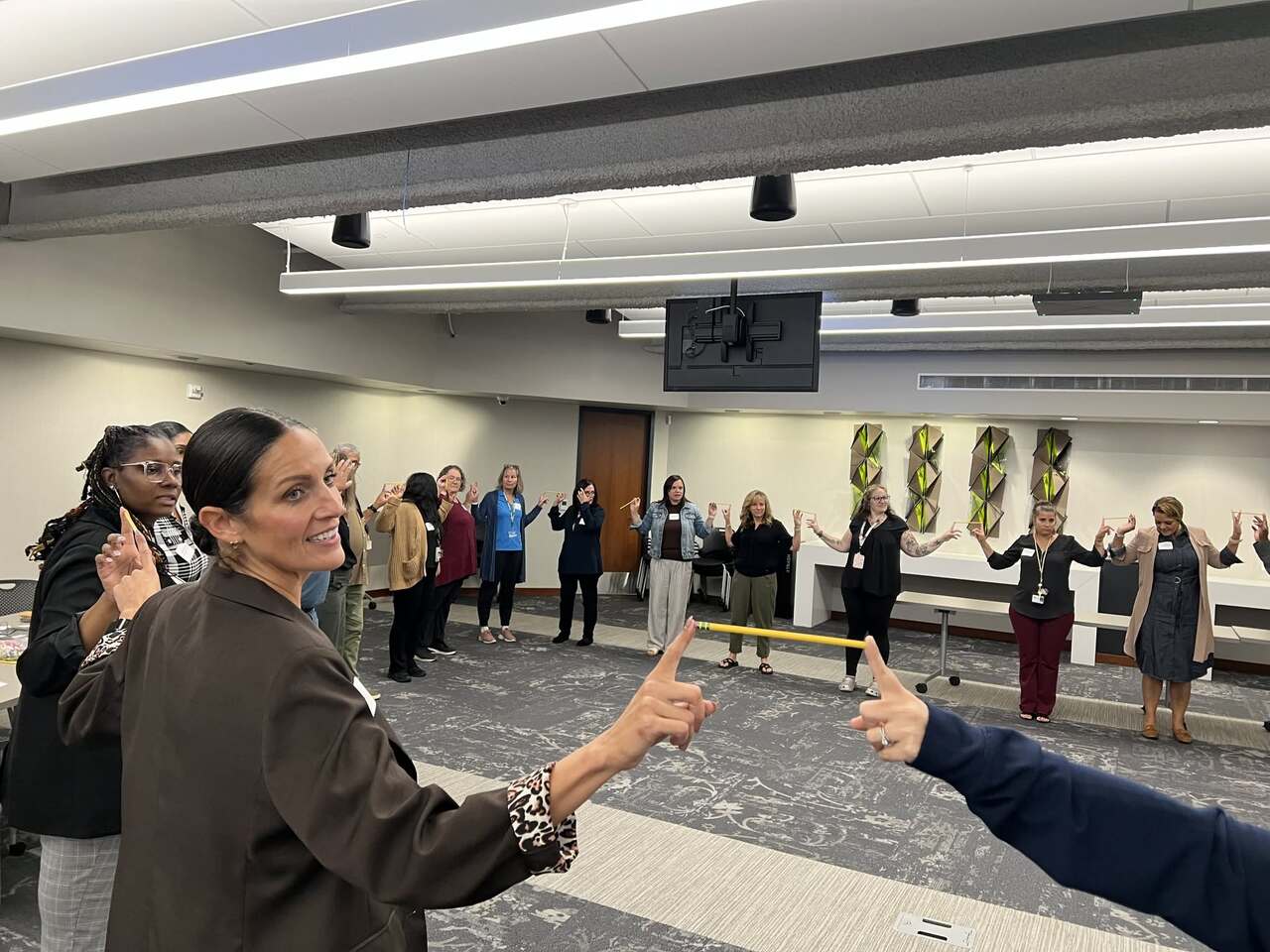
Educators across the Ingham ISD service area come together to examine data, strengthen instruction and learn from one another—all with the shared goal of creating better outcomes for students.


