

Ingham Great Start Collaborative’s Play & Learn Groups are bringing joy, learning, and community connection to families across Ingham County. Designed for children from birth to age five and their caregivers, these free interactive sessions are available to families living in any of the twelve Ingham ISD school districts.
Led by trained Parent Educators and rooted in the Parents as Teachers model, each session blends fun with foundational skills that support early childhood development. Activities include:
- Story Time – Spark a love of reading through engaging books and storytelling.
- Music & Singing – Build rhythm, language, and movement skills in a joyful setting.
- Creative Arts – Enjoy sensory play, crafts, and hands-on exploration.
- Social Play – Children connect with peers while developing social-emotional skills.
More than just a playgroup, these sessions are a chance for caregivers to connect with one another, gain valuable parenting tools, and watch their children grow through meaningful, play-based learning.
Whether it’s singing a new song, painting with little hands, or hearing a favorite story for the first (or tenth!) time, Play & Learn Groups offer a warm, welcoming space for early learning and lifelong memories.
Learn more and find a group near you: Ingham ISD Playgroup Schedule
Recent Stories:
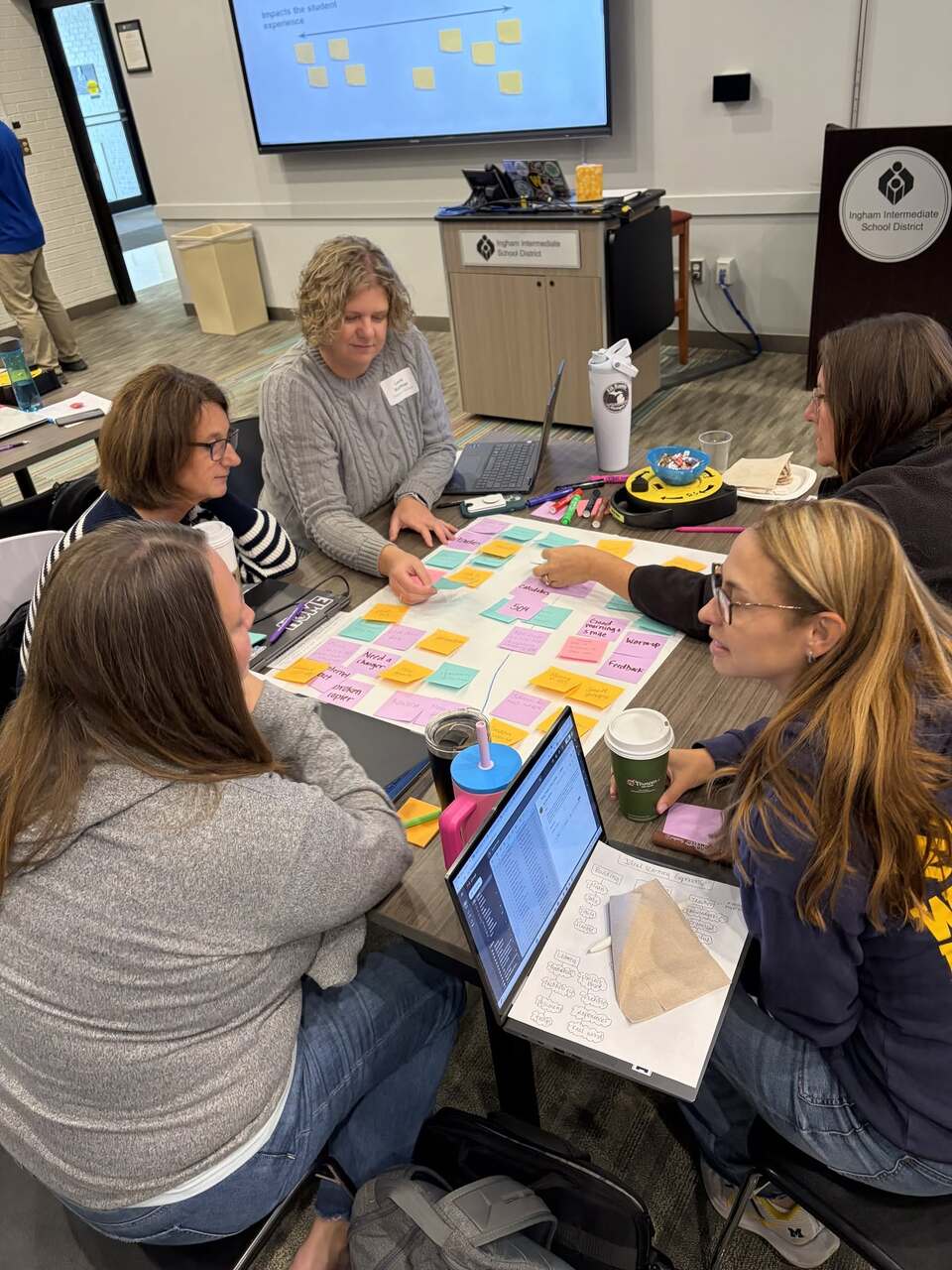
What happens when educators from different schools and communities get in the same room? Ideas travel. Questions get bigger. Practice gets stronger. Recent professional learning opportunities in early childhood literacy and secondary mathematics show how collaboration helps knowledge move across classrooms, schools and communities throughout the Ingham ISD service area.
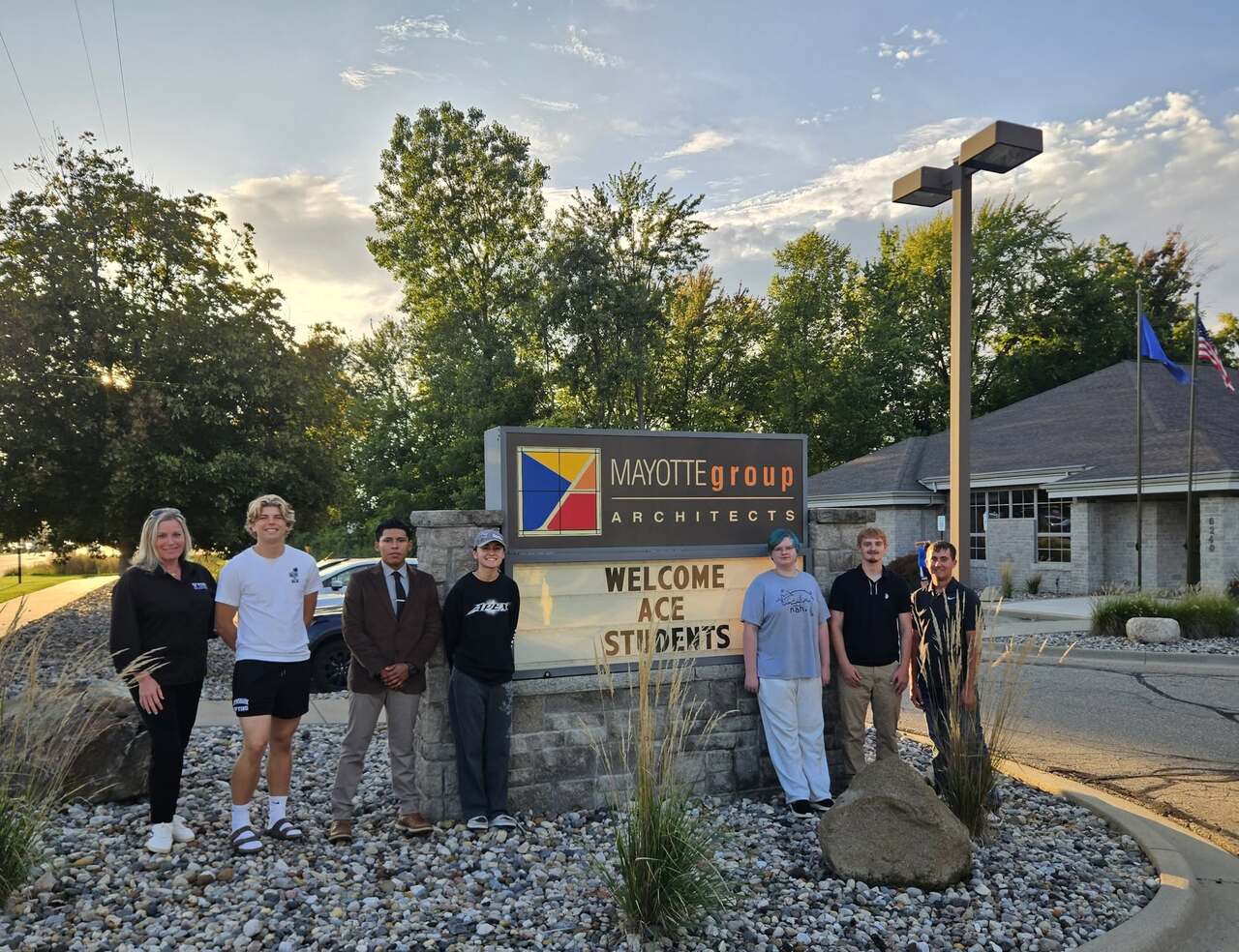
Seven Wilson Talent Center students are taking their engineering and construction skills beyond the classroom through the ACE Mentor Program at Mayotte Group Architects. Over 15 weeks, they’ll explore careers across the building industry while tackling a real-world design challenge: creating a brand-new elementary school.


