

Ingham ISD, alongside Eaton RESA and Clinton County RESA, recently brought together superintendents, principals, prosecutors, and education advocates for a series of high-impact gatherings focused on student safety, attendance, and career readiness.
At the Capital Area Leadership Network event, leaders heard directly from prosecuting attorneys representing all three counties. Discussions centered on the role of schools in supporting student mental health and suicide prevention, addressing school threats, improving truancy responses, and strengthening School Resource Officer partnerships. These collaborative efforts reinforce that students thrive when schools and law enforcement work hand-in-hand.
In the same week, Ingham ISD Superintendent Jason Mellema participated in a Lansing Regional Chamber of Commerce Economic Club Luncheon alongside fellow education leaders. The panel discussion highlighted the “Classrooms to Careers” pipeline—emphasizing the critical role K–12 education plays in preparing young people for the workforce and beyond.
From classrooms to courtrooms to boardrooms, these events showcase a shared commitment: that every student deserves a safe learning environment, consistent support, and a clear path to their future.
See original posts:
Lansing Regional Chamber of Commerce Economic Club Luncheon
Capital Area Leadership Network
Recent Stories:
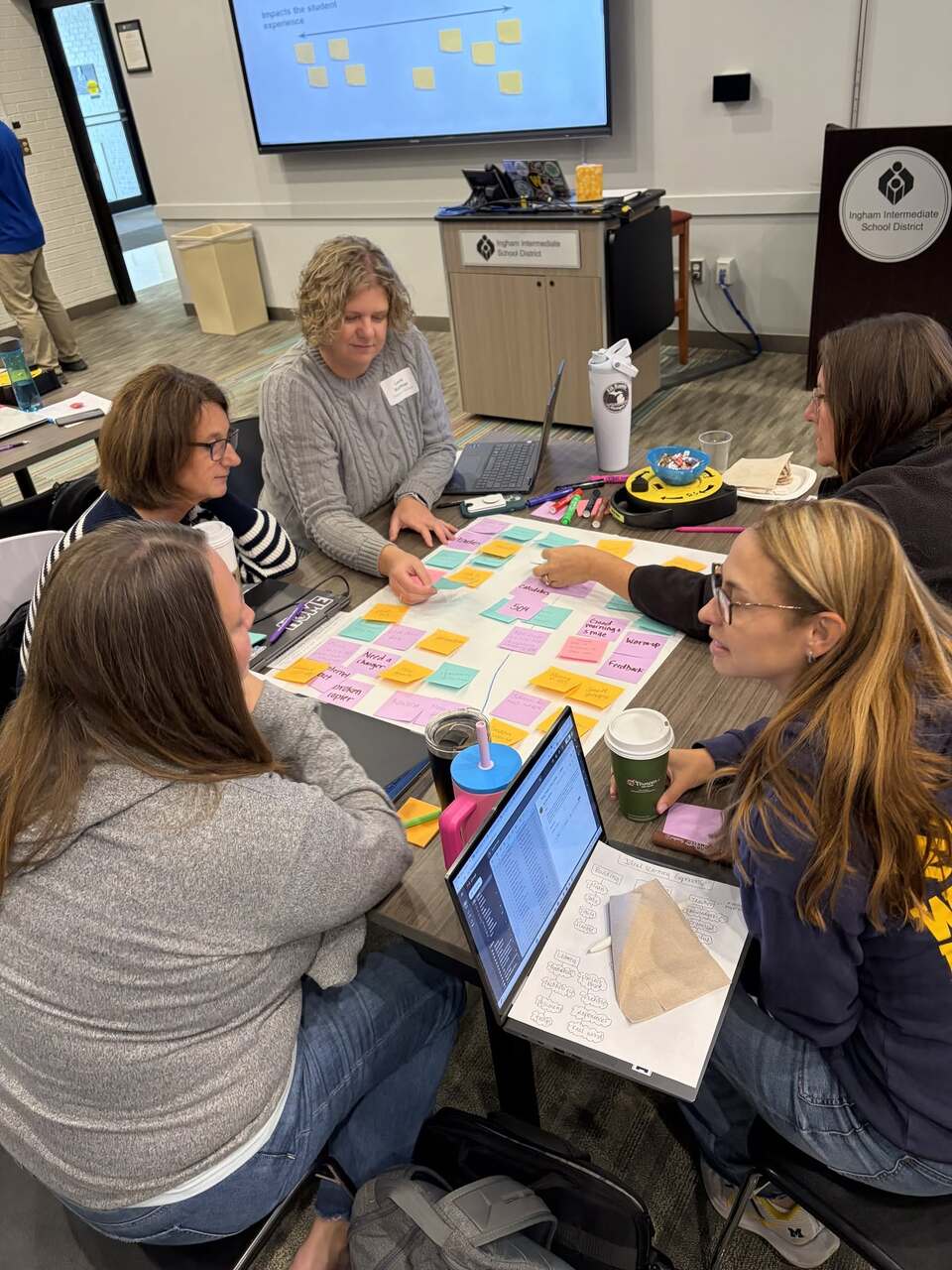
What happens when educators from different schools and communities get in the same room? Ideas travel. Questions get bigger. Practice gets stronger. Recent professional learning opportunities in early childhood literacy and secondary mathematics show how collaboration helps knowledge move across classrooms, schools and communities throughout the Ingham ISD service area.
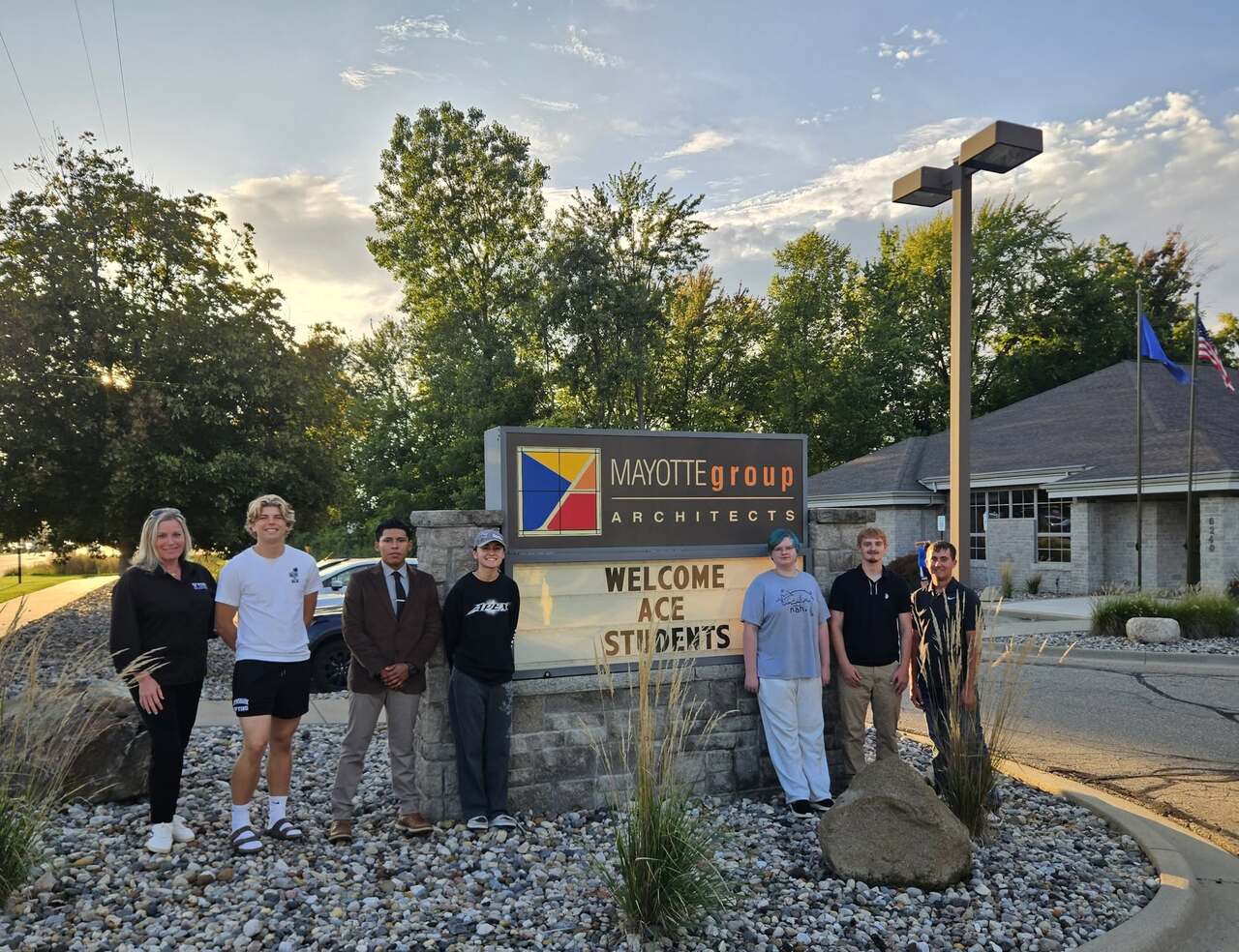
Seven Wilson Talent Center students are taking their engineering and construction skills beyond the classroom through the ACE Mentor Program at Mayotte Group Architects. Over 15 weeks, they’ll explore careers across the building industry while tackling a real-world design challenge: creating a brand-new elementary school.


