
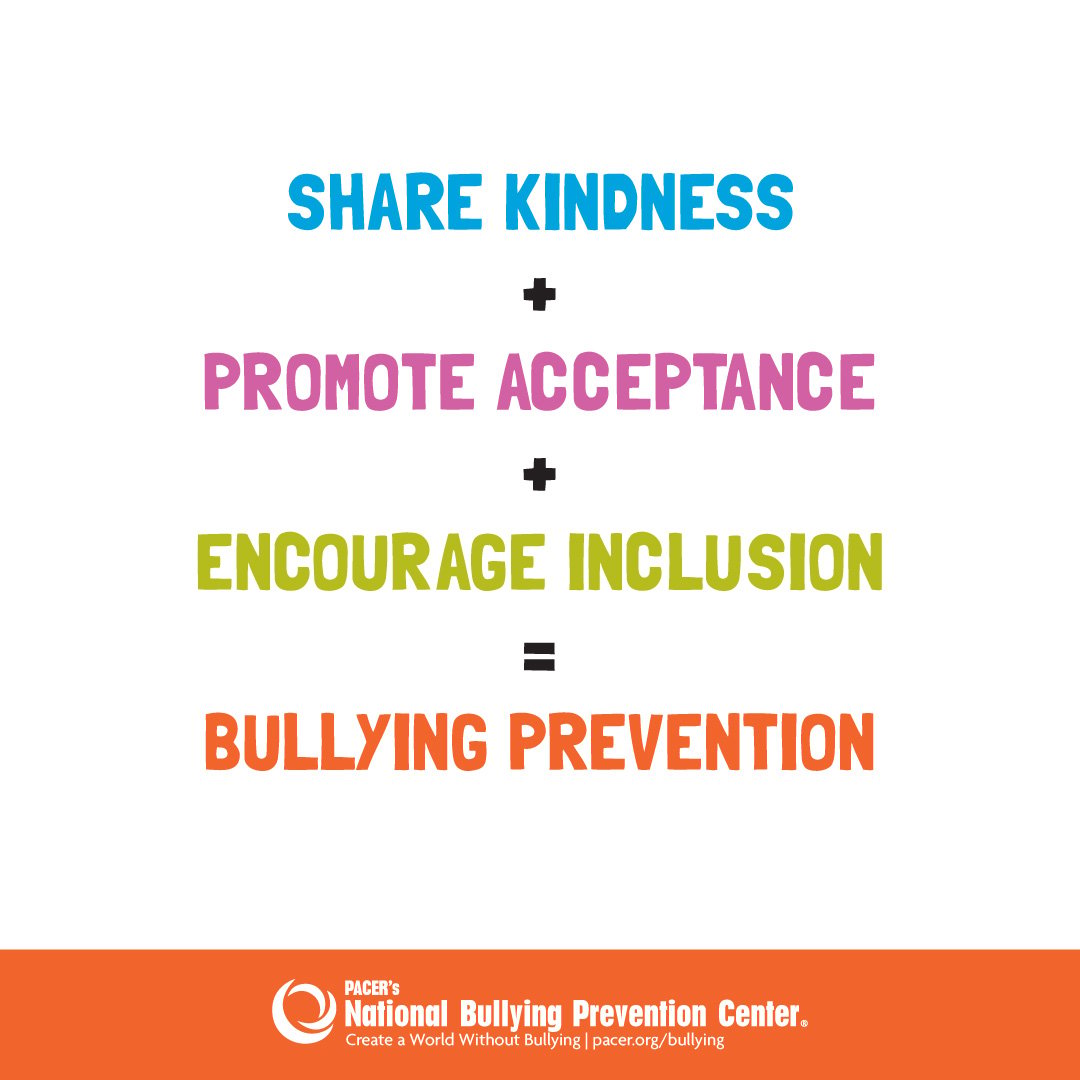
October is more than just the start of sweater weather—it’s a powerful reminder that safe, inclusive schools don’t happen by accident. They happen through intentional acts of kindness, community partnerships, and proactive prevention.
Ingham Intermediate School District and its partners are shining a spotlight on several initiatives this month, including:
National Bullying Prevention Month
Districts across the region are emphasizing that every action matters when it comes to building safe, supportive schools. From kindness campaigns to inclusion pledges, students and staff are encouraged to treat one another with compassion, respect, and empathy. When kindness, acceptance, and inclusion are prioritized, bullying prevention becomes a shared responsibility.
America’s Safe Schools Week (Oct. 19–25, 2025)
Ingham ISD is honoring the everyday efforts that make schools secure learning environments—from emergency drills and mental health support to positive relationship-building among students, families, and staff. This week serves as a reminder that safety isn’t just a policy—it’s a practice we all help shape.
National School Bus Safety Week (Oct. 20–24, 2025)
With millions of students relying on school buses each day, this year’s theme—“Safe Stops. Stronger Communities.”—focuses on the importance of caution and enforcement around school bus zones. Ingham ISD reminds drivers and community members that when red lights are flashing and the stop arm is out, stopping isn’t optional—it’s the law.
Together, these campaigns promote a shared goal: building communities where students feel seen, safe, supported, and ready to learn.
See original posts:
National School Bus Safety Week
Recent Stories:
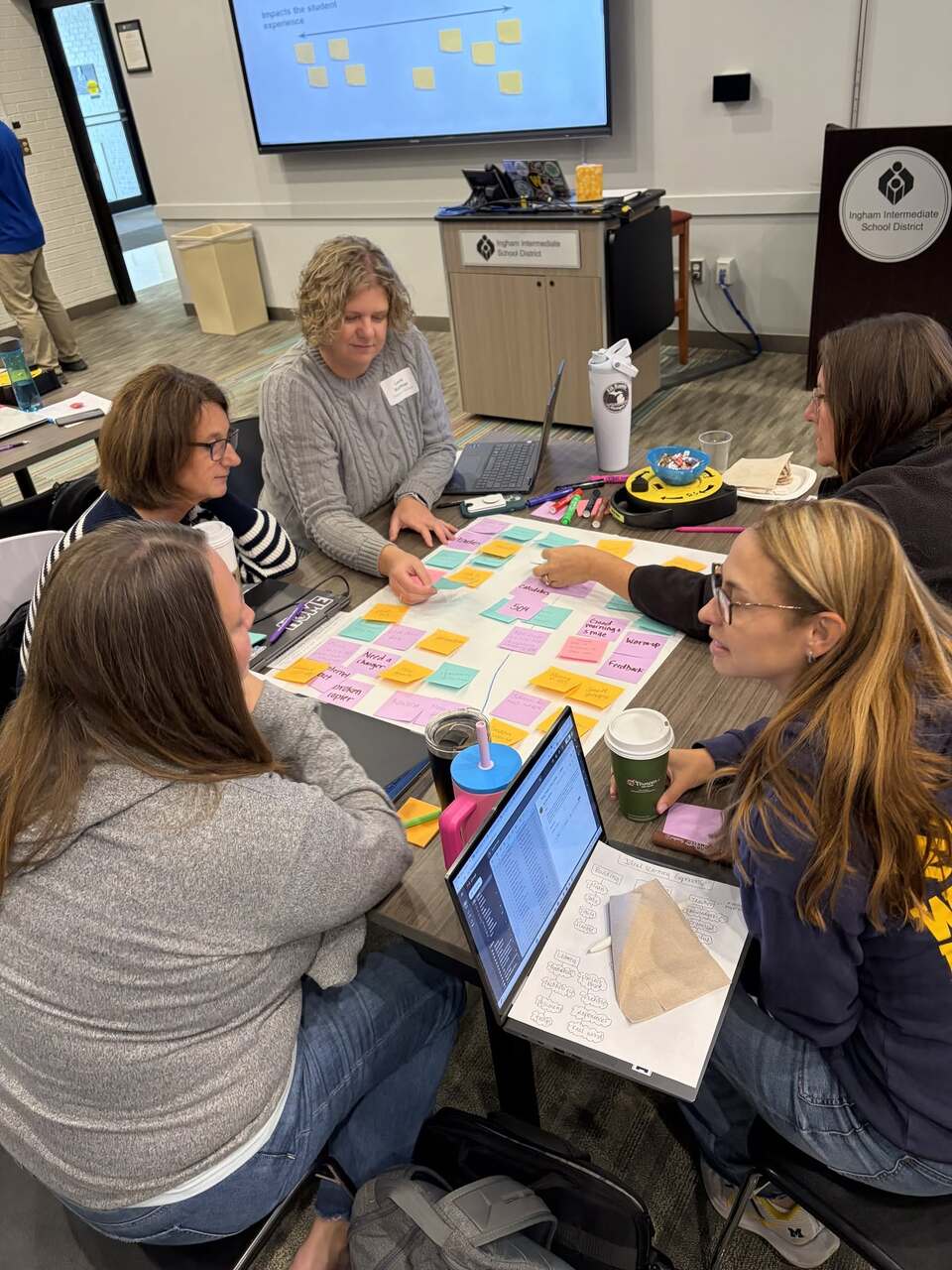
What happens when educators from different schools and communities get in the same room? Ideas travel. Questions get bigger. Practice gets stronger. Recent professional learning opportunities in early childhood literacy and secondary mathematics show how collaboration helps knowledge move across classrooms, schools and communities throughout the Ingham ISD service area.
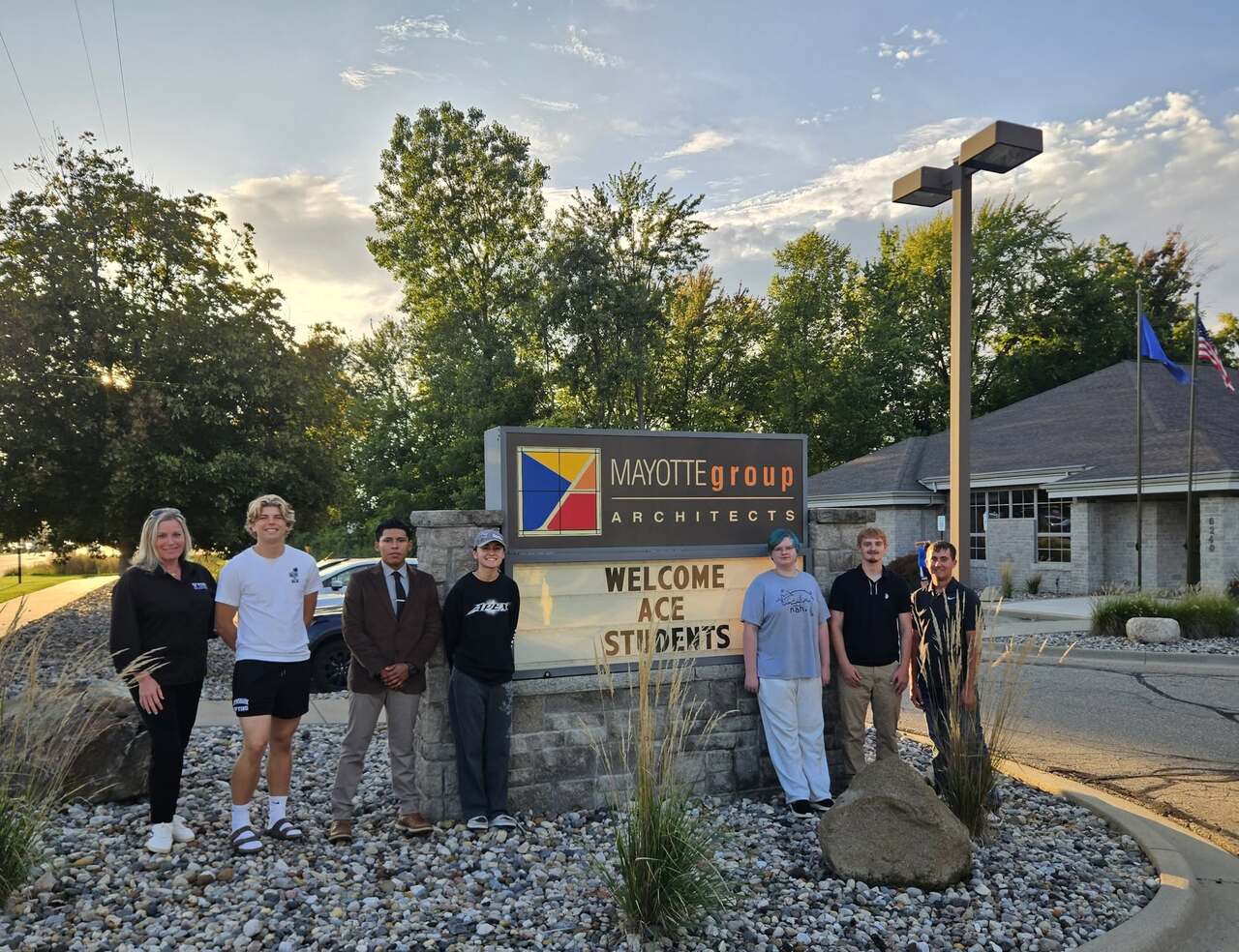
Seven Wilson Talent Center students are taking their engineering and construction skills beyond the classroom through the ACE Mentor Program at Mayotte Group Architects. Over 15 weeks, they’ll explore careers across the building industry while tackling a real-world design challenge: creating a brand-new elementary school.


