
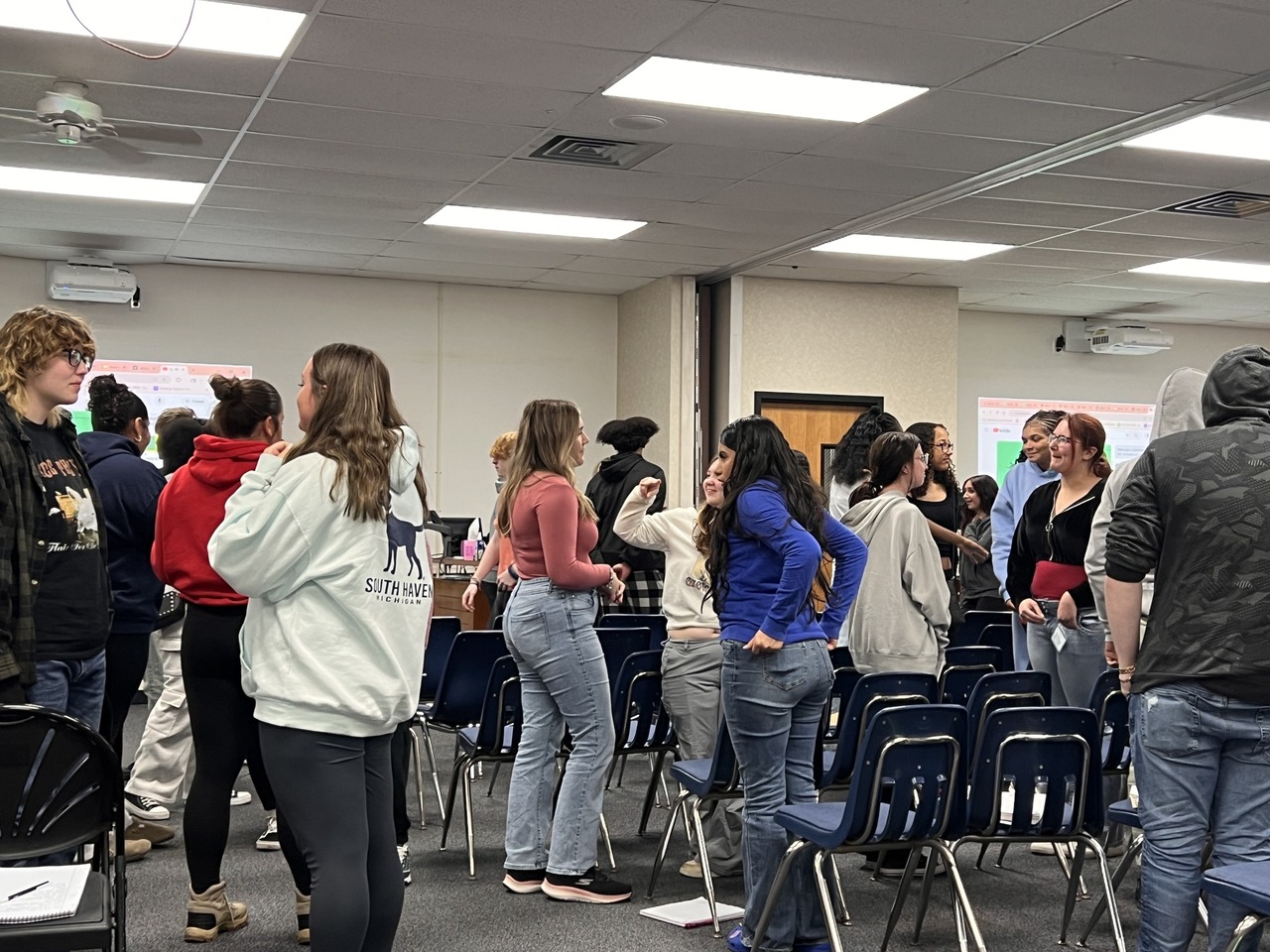
First impressions matter—and at Wilson Talent Center, students are learning how to make theirs count.
Led by Work-Based Learning Coordinators Monique Colizzi and Jamie George, the new Boss Mode Boot Camp series kicked off with a focus on professionalism and presence. The first session, “Positive First Impressions = Lasting Impressions,” tackled the real-world skills students need to confidently introduce themselves and leave a memorable impact.
Participants explored the key components of a strong first impression, including posture, attitude, eye contact, and attire. They practiced firm (not flimsy!) handshakes, discussed the importance of appearance in workplace settings, and crafted short elevator pitches that capture who they are and what they bring to the table.
Through engaging activities and real-time feedback, students got to reflect on how they carry themselves—and how intentional communication can help them stand out in interviews, internships, and beyond.
Boss Mode Boot Camp is more than just a catchy title. It’s a mindset shift—empowering students to own their strengths, represent themselves with clarity and confidence, and prepare for the future with professionalism and purpose.
This is just the beginning of the series, and we can’t wait to see what’s next.
Recent Stories:
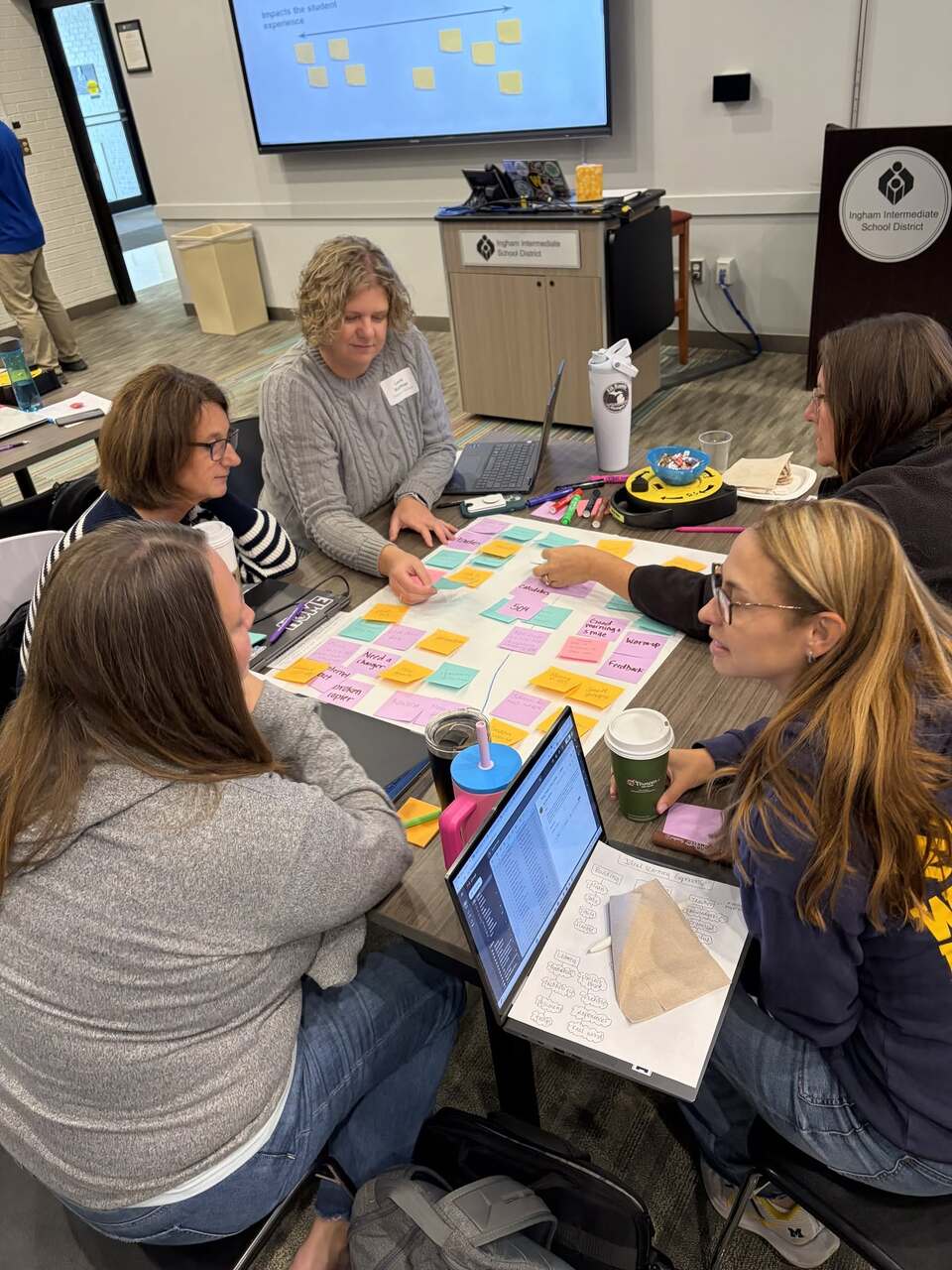
What happens when educators from different schools and communities get in the same room? Ideas travel. Questions get bigger. Practice gets stronger. Recent professional learning opportunities in early childhood literacy and secondary mathematics show how collaboration helps knowledge move across classrooms, schools and communities throughout the Ingham ISD service area.
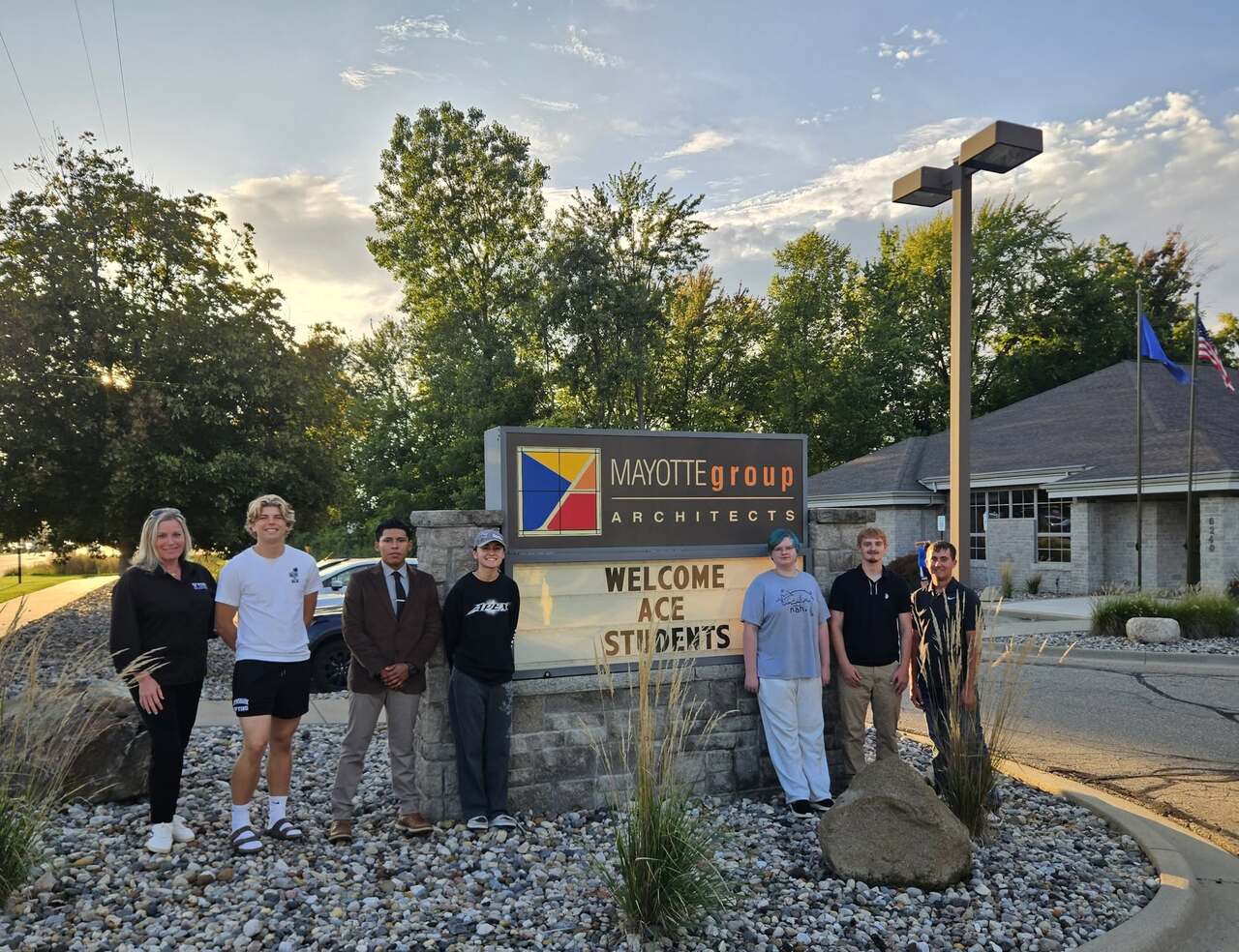
Seven Wilson Talent Center students are taking their engineering and construction skills beyond the classroom through the ACE Mentor Program at Mayotte Group Architects. Over 15 weeks, they’ll explore careers across the building industry while tackling a real-world design challenge: creating a brand-new elementary school.


