

In celebration of March is Reading Month, Beekman Center welcomed Superintendent Jason Mellema and Mike Lilly, Executive Director of Information Technology Services, to share the magic of storytelling with students. As guest readers, both leaders brought books to life—entertaining students while reinforcing the lasting importance of literacy.
Reading aloud has a measurable impact on student success. According to the National Institute for Literacy, students who are read to at least three times per week are nearly twice as likely to score in the top 25% in reading assessments. Research also shows that hearing stories read aloud helps build vocabulary, strengthens comprehension, and fosters a lifelong love for reading.
More than just an academic skill, reading builds connection. The visit offered students the chance to engage with positive role models who demonstrated how books can open doors—to new ideas, new worlds, and future possibilities.
As classrooms across the district celebrated March is Reading Month, this visit served as a heartwarming reminder of what happens when stories and community come together.
Read the original post + watch the reel.
Recent Stories:
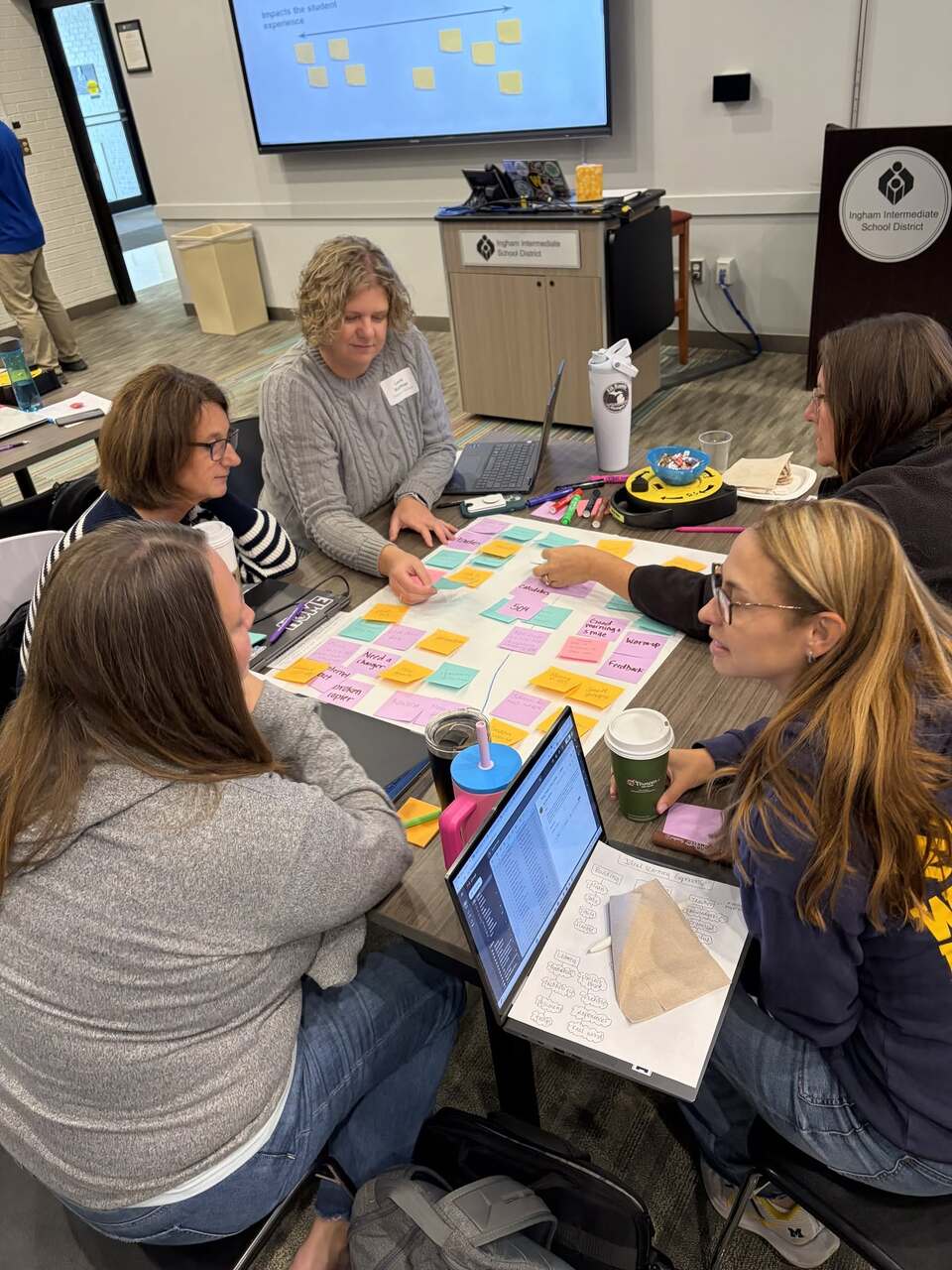
What happens when educators from different schools and communities get in the same room? Ideas travel. Questions get bigger. Practice gets stronger. Recent professional learning opportunities in early childhood literacy and secondary mathematics show how collaboration helps knowledge move across classrooms, schools and communities throughout the Ingham ISD service area.
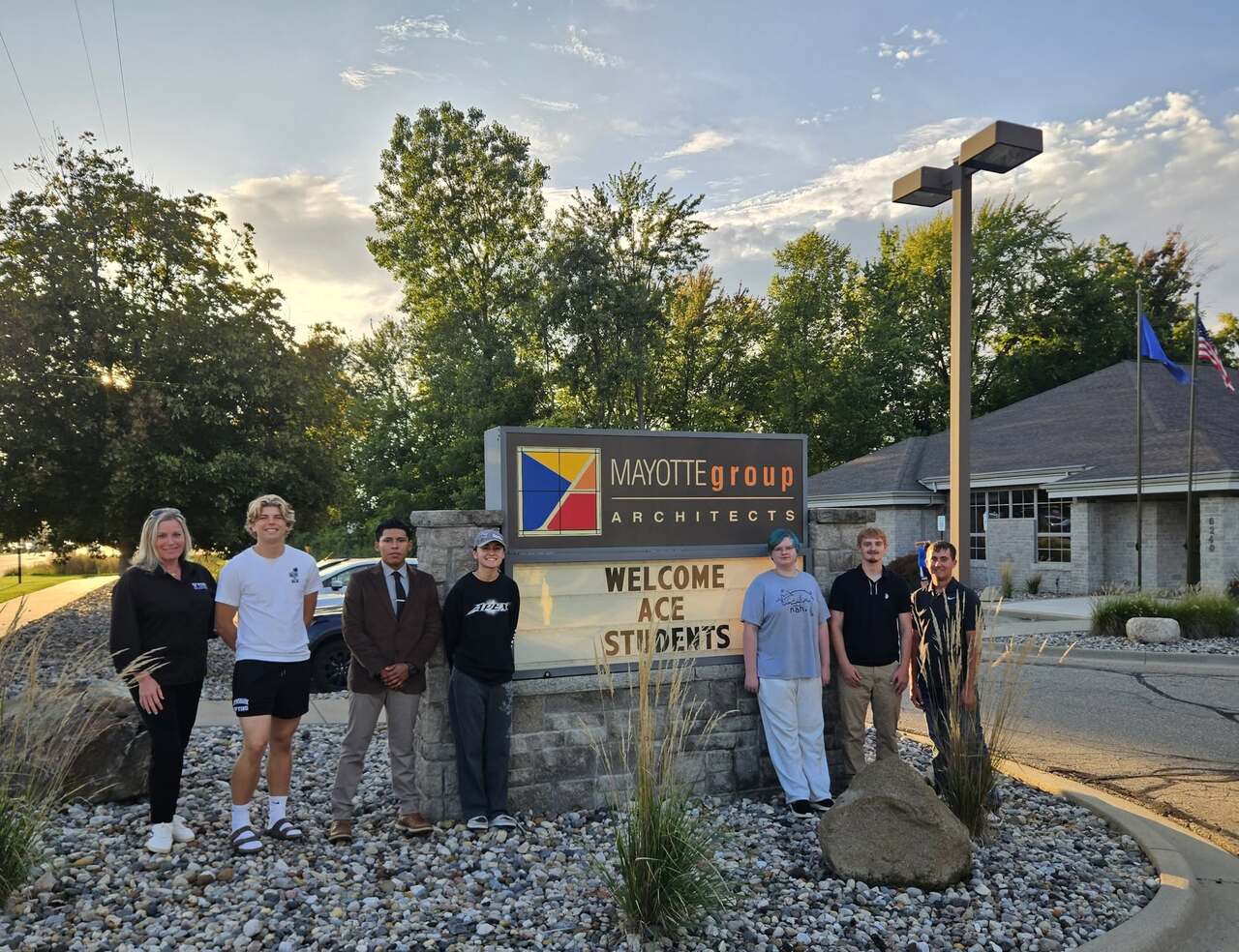
Seven Wilson Talent Center students are taking their engineering and construction skills beyond the classroom through the ACE Mentor Program at Mayotte Group Architects. Over 15 weeks, they’ll explore careers across the building industry while tackling a real-world design challenge: creating a brand-new elementary school.


