Imagine preparing for a career—and getting the chance to walk through its future.
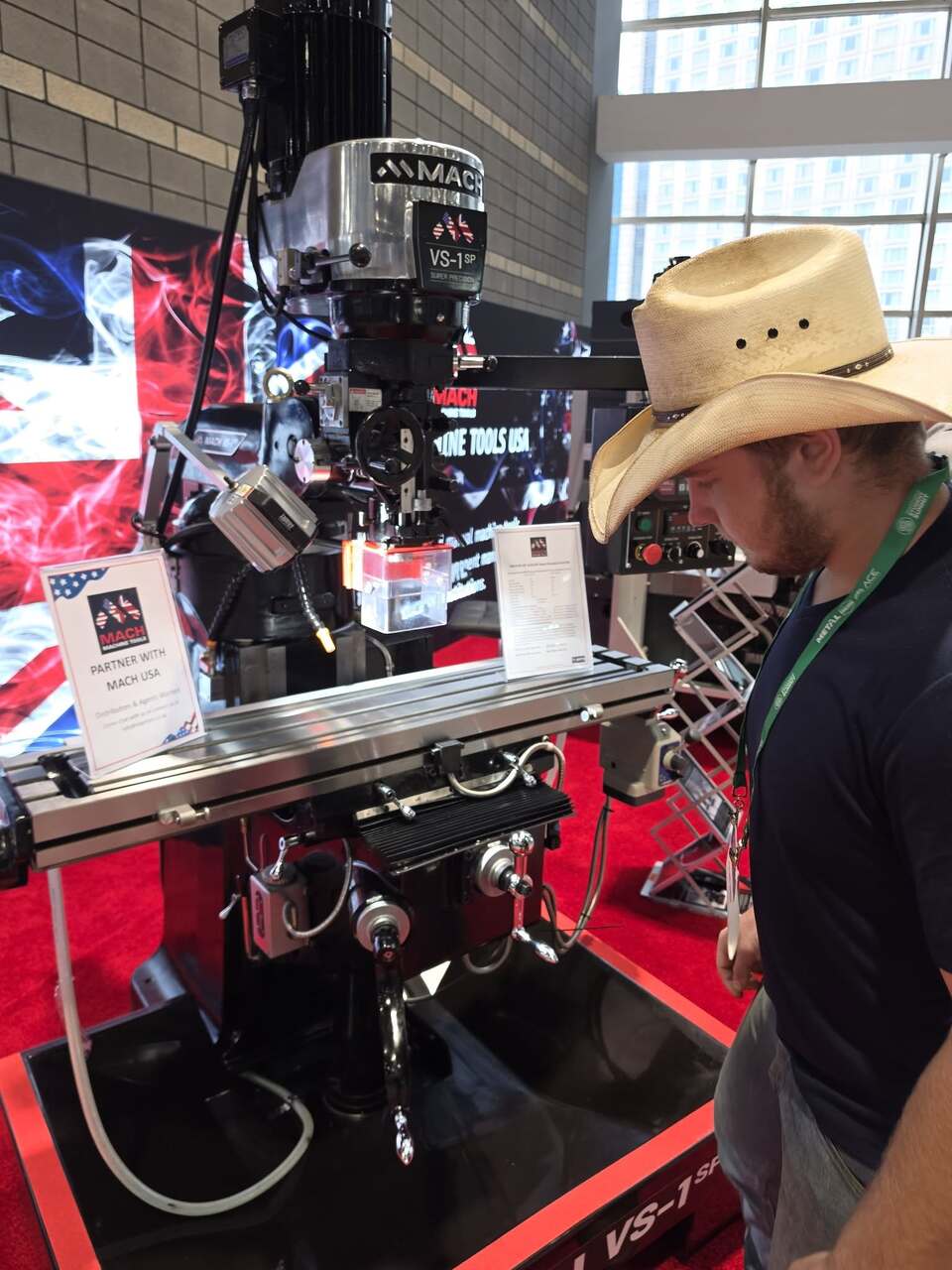
That's essentially what happened when students from Wilson Talent Center's Precision Machining Technology program traveled to Chicago for the 2026 International Manufacturing Technology Show, or IMTS.
Inside, students encountered more than the machines and processes they're already learning to use.
They saw what might come next.
Automation. Robotics. Additive manufacturing. New machining technologies. And an enormous collection of companies working on what manufacturing could look like in the years ahead.
For students preparing to enter that world, it was more than a field trip.
It was a glimpse forward.
Manufacturing Is Changing
Precision machining has long required technical skill, accuracy and problem-solving.
Those fundamentals still matter.
But the tools available to manufacturers—and the ways people work alongside them—continue to evolve.
At IMTS, students could see that evolution happening across the show floor.
With more than 1,700 exhibitors, the event brought together technologies and organizations from across the manufacturing industry, giving students a much broader view of the field than they could encounter in any single classroom or lab.
The experience allowed them to explore developments in machining alongside automation, robotics and additive manufacturing.
More importantly, they could see how those technologies increasingly intersect.
Learning Today's Skills for Tomorrow's Jobs
Career and technical education faces an interesting challenge.
Students need the foundational skills employers depend on today while also preparing for industries that will continue changing throughout their careers.
That makes exposure to emerging technology particularly valuable.
A student learning precision machining now may spend decades working in manufacturing. The equipment will change. Software will change. Processes will change. Entire technologies may emerge that don't yet exist.
The ability to keep learning becomes part of the job.
Seeing a major industry event like IMTS helps students understand that reality early.
Their education isn't simply preparation for their first job.
It's a foundation they can continue building on.
Seeing the Size of the Possibility
There is another advantage to stepping outside the classroom: scale.
Students may know they're interested in machining without realizing how many directions that interest could eventually take them.
Walking through one of the world's major manufacturing technology events makes the size of the industry much harder to miss.
Behind every machine are people designing, programming, operating, maintaining, improving and selling technology.
Behind every new process are problems waiting for someone to solve them.
And somewhere among all of those possibilities could be a career a student hasn't considered yet.
That's part of the value of experiences like this one.
Students aren't only learning how manufacturing works.
They're beginning to see where they might fit within it.
The Future Is Already on the Floor
Eventually, today's emerging technologies will simply become the tools of the trade.
The students learning at Wilson Talent Center now will be among the people working with them.
That's what made a trip to Chicago much more than an opportunity to look at some impressive machines.
It gave students a chance to stand inside the industry they're preparing to enter, look around and see just how much possibility lies ahead.
Sometimes preparing students for the future means giving them the skills they'll need when they get there.
And sometimes it means letting them see the future for themselves.
Recent Stories:
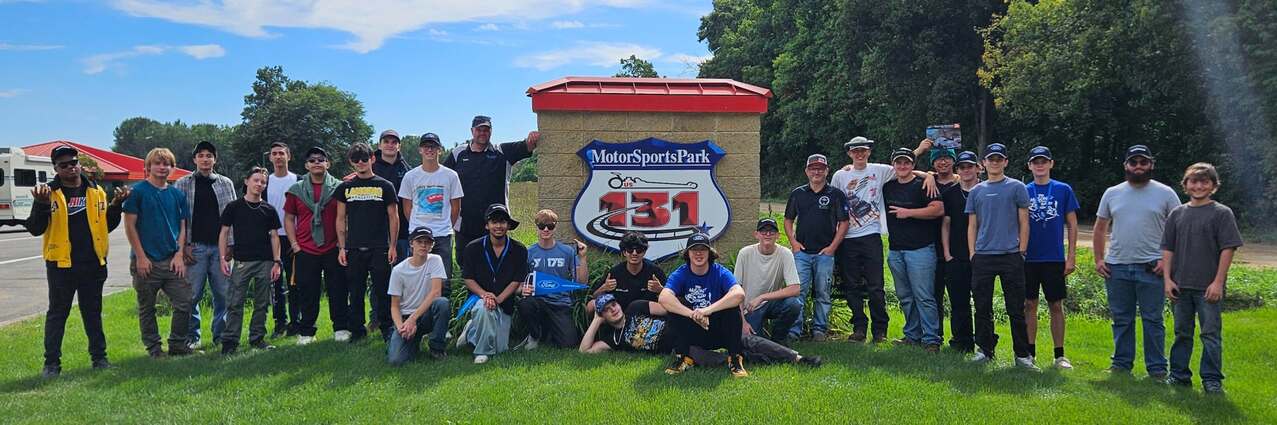
Nearly 30 Wilson Talent Center Auto Tech I & II students traded the classroom for the racetrack during the NHRA Youth & Education Services Program at US 131 Motorsports Park. The experience gave students a front-row look at how STEM concepts, skilled trades and automotive careers come together in the world of high-performance racing.
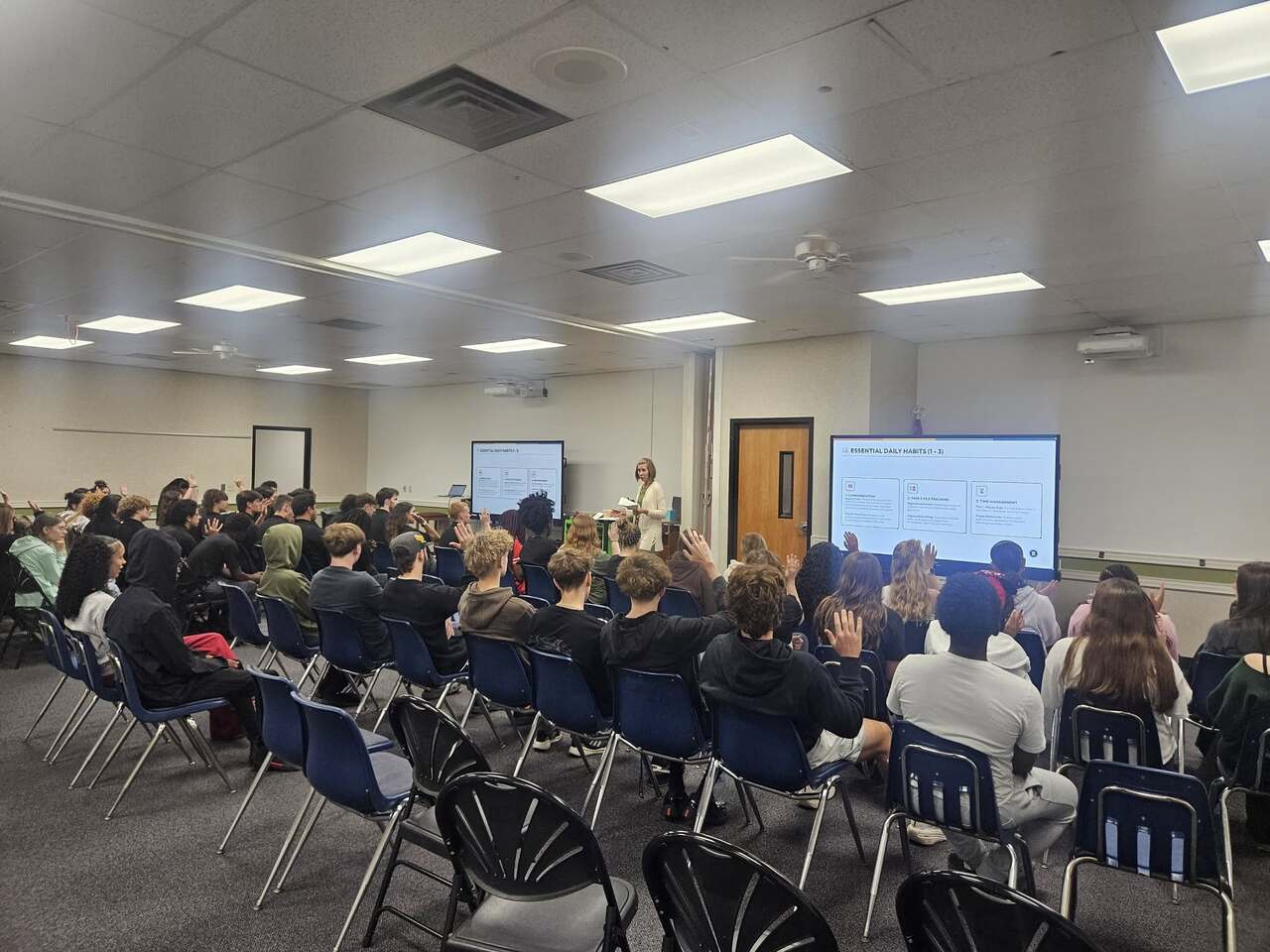
Nearly 800 Wilson Talent Center students kicked off the first of four Boss Mode Boot Camp sessions with “Toolbox for Success,” a 30-minute crash course in communication, networking, initiative, organization and managing the demands of school and work. The goal? Give students practical strategies they can start using right now.


